News Summary
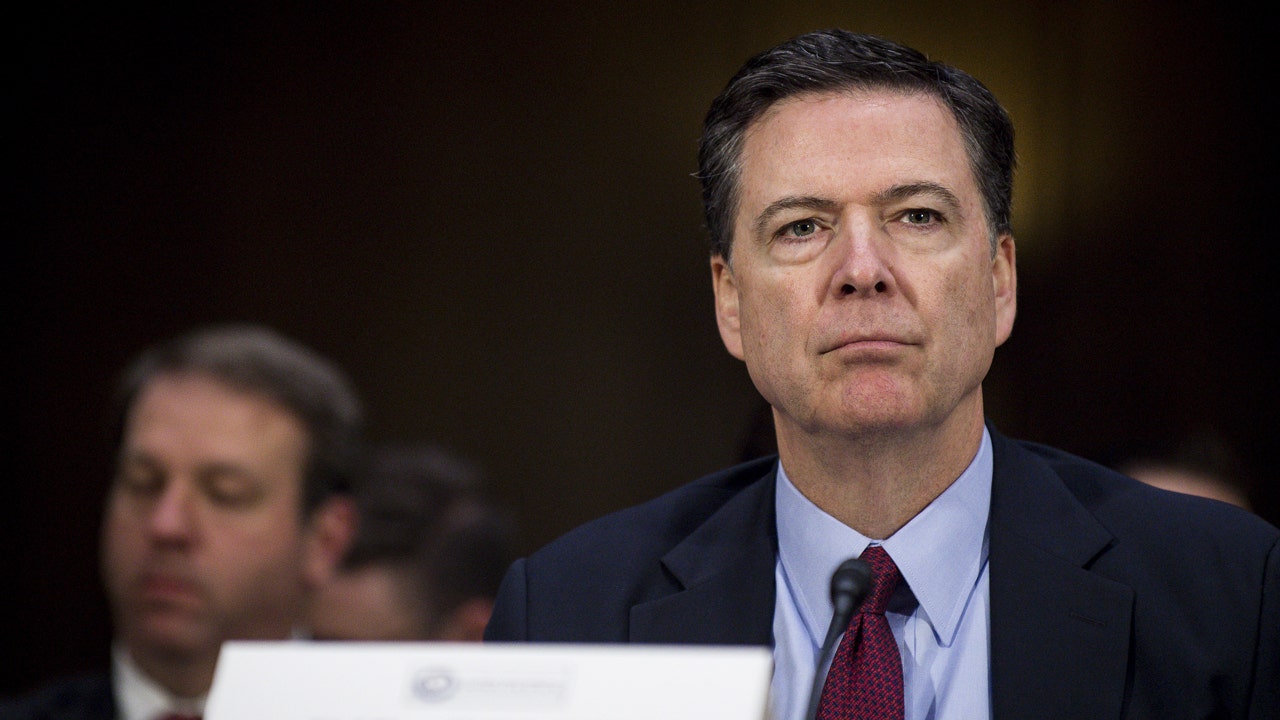
Federal prosecutors in the Eastern District of North Carolina filed an indictment against former FBI Director James Comey under 18 U.S.C. § 871 (threats against the President) and 18 U.S.C. § 875(c) (interstate communications containing threats). The indictment alleges the charges are linked to a social media post in which Comey shared a beach photo showing seashells arranged as the numbers "86 47" (also reported as "8647"). Comey removed the post and said he did not intend it as a call for violence. Legal analysts quoted in the article disagree on constitutional exposure: George Washington University law professor Jonathan Turley said that if prosecution rests only on the image, it could face significant First Amendment challenges because the image may be protected speech; others cited in the story argued that threats against a sitting president fall outside First Amendment protection. The article notes prosecutors must prove a "true threat" and intent to harm—elements that commentators say could be difficult to establish on publicly available facts. The coverage references heightened concerns about threats to President Trump following an attempted assassination at the White House Correspondents’ Dinner, and notes that W. Ellis Boyle, U.S. Attorney for the Eastern District of North Carolina, will oversee the case. The piece also recounts Comey’s prior 2025 indictment on unrelated charges that was later dismissed.
Biblical Reflection
This story sits at the intersection of speech, safety, and the rule of law. The Bible affirms both the importance of speaking truthfully and the necessity of just governance; Christians should affirm due process and resist rushing to judgment while also taking threats to life seriously. The article presents competing legal perspectives, which is appropriate: whether an ambiguous post crosses the legal threshold into a punishable "true threat" will turn on context and intent—matters courts evaluate carefully. Media coverage can easily slide toward either sensationalizing allegations or minimizing potential harms depending on the outlet’s vantage point; readers should note the article’s reliance on legal opinion and on emotionally salient events (the recent attempted assassination) that make the stakes feel immediate. Spiritually, this is a reminder that public speech by prominent Christians or non-Christians carries weight; we are called to use words that build up rather than incite (Ephesians 4:29), and to seek justice without partiality (Proverbs 31:8–9). Pray for clarity, impartial adjudication, and for Christian witness that models restraint, truth, and compassion, even amid political polarization.
Scripture in context
This outlook does not yet include contextual Scripture citations. Do not treat a general biblical theme as an exegetical conclusion.
Faithful Response
No prescribed response is offered. Consider the reflection prompts below in your own church context.
Reflection and Discussion
- 1How does the article frame the balance between free-speech protections and public safety, and which evidence does it emphasize to support that framing?
- 2Am I inclined to accept or reject the allegations based on the political identity of the people involved rather than the facts and due process?
- 3What standards of intent and context should guide our assessment of charged speech, and how can Christians model discernment rather than partisan reaction?
Sources
Reporting links are evidence inputs; Sanctuary News' biblical reflection is commentary.
This outlook currently relies on fewer than two linked sources. Broaden verification before teaching from it.
- 1.Original reportprimary