News Summary
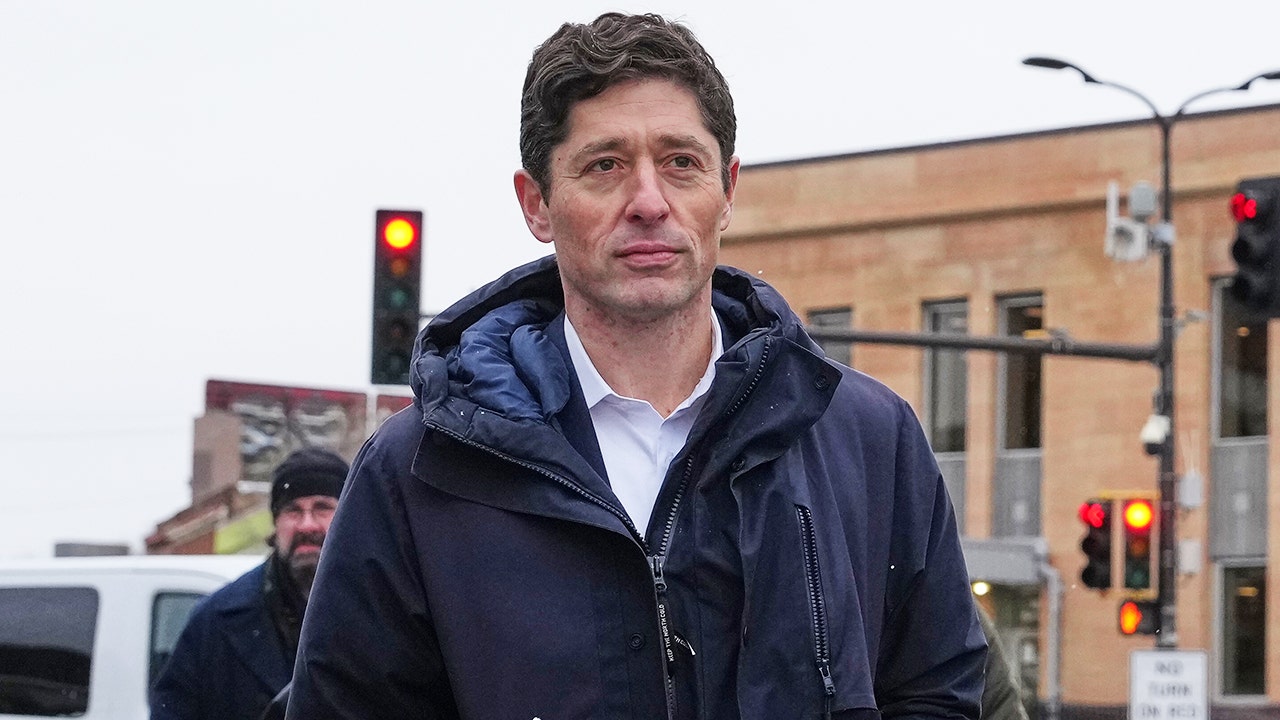
The article details Minneapolis Mayor Jacob Frey's skepticism about the Trump administration's announcement that ICE (Immigration and Customs Enforcement) agents will be withdrawn from Minneapolis following the conclusion of Operation Metro Surge. During an appearance on 'The Daily Show,' Frey expressed doubt that the federal government would follow through with the withdrawal, crediting the city's residents and peaceful protesters for pressuring the administration. Tom Homan, the White House's border czar, stated that the operation made Minnesota less of a sanctuary state for criminals and would now be concluded, although a small number of federal personnel would remain for ongoing investigations. The article highlights ongoing tensions between city leadership, federal authorities, and the community regarding immigration enforcement and trust in government promises.
Biblical Reflection
Viewed through a biblical lens, this story reflects complex issues of justice, trust, and the call to love one's neighbor. Scripture consistently emphasizes the importance of justice (Micah 6:8), showing compassion for the stranger and marginalized (Leviticus 19:34; Matthew 25:35), and holding authorities accountable for their actions (Romans 13:1-4, but also Acts 5:29 when authorities act unjustly). The skepticism voiced by Mayor Frey and the community response, including peaceful protest and care for fearful neighbors, demonstrate a desire for both justice and mercy. However, the discord and lack of trust between different levels of government and the people highlight the brokenness of human systems and the need for truthfulness, transparency, and reconciliation. Christians are called to seek the welfare of their cities (Jeremiah 29:7), pray for leaders (1 Timothy 2:1-2), and advocate for both justice and compassion, especially for vulnerable populations such as immigrants. This story challenges believers to discern how to pursue peace, truth, and justice in contentious civic debates.
Scripture in context
This outlook does not yet include contextual Scripture citations. Do not treat a general biblical theme as an exegetical conclusion.
Faithful Response
No prescribed response is offered. Consider the reflection prompts below in your own church context.
Reflection and Discussion
- 1How do I respond when I see broken trust between authorities and communities? Do I seek to build bridges and advocate for truth?
- 2In what ways can I show compassion and support to those who feel threatened or marginalized in my community?
- 3How can I pursue both justice and mercy, especially in complex situations involving immigration and law enforcement?
Sources
Reporting links are evidence inputs; Sanctuary News' biblical reflection is commentary.
This outlook currently relies on fewer than two linked sources. Broaden verification before teaching from it.
- 1.Original reportprimary