News Summary
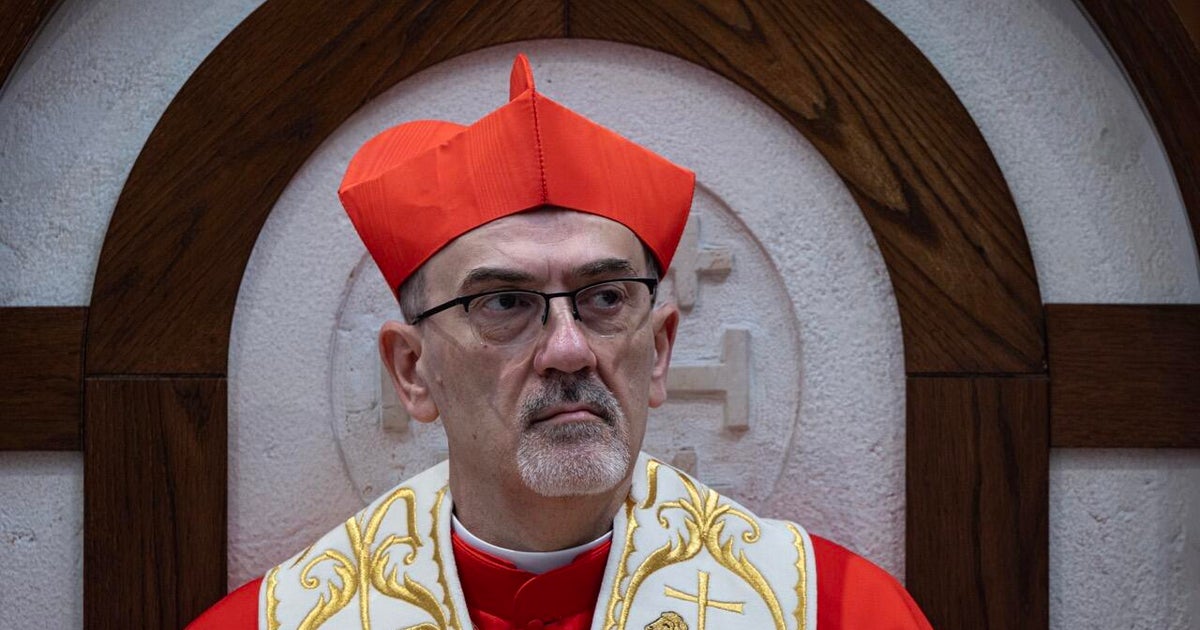
On Palm Sunday (March 29, 2026), Israeli police prevented the Latin Patriarch of Jerusalem, Cardinal Pierbattista Pizzaballa, and Reverend Fr. Francesco Ielpo from entering the Church of the Holy Sepulchre to celebrate a Palm Sunday Mass. The Latin Patriarchate said the men were stopped while proceeding privately and were turned back, calling the action a "grave precedent" and saying it was the first time in centuries that church heads were prevented from celebrating Palm Sunday there. Israeli police told Agence France-Presse that a request from Pizzaballa could not be approved because of restrictions tied to security concerns and the Old City’s limited access for large emergency vehicles in the event of a mass-casualty incident. Israeli officials said holy sites in Jerusalem had been closed and large gatherings limited (to around 50 people) since the start of the war with Iran; the traditional Palm Sunday procession was cancelled by the Latin Patriarchate. Israeli Prime Minister Benjamin Netanyahu said the decision was made out of concern for the cardinal’s safety and that security forces were planning ways to enable church leaders to worship in coming days. Cardinal Pizzaballa instead celebrated Mass at nearby St. Savior's Monastery and led a prayer for peace at the Dominus Flevit Shrine on the Mount of Olives. The incident drew international criticism: the U.S. ambassador to Israel called it an "unfortunate overreach," and leaders including Italy’s prime minister and France’s president condemned the action; Jordan’s foreign ministry called it a violation of international law. The Vatican had not issued a specific comment on the police incident in Jerusalem in the article. The Latin Patriarchate characterized the police action as disproportionate and tainted by improper considerations; Israeli authorities emphasized security amid reported missile threats and restrictions tied to the war.
Biblical Reflection
This story highlights a longstanding and painful tension between the protection of life in wartime and the preservation of religious freedom and access to holy places. The article presents two competing claims: religious leaders and governments of several countries view the barring of a cardinal from a central Christian shrine on Palm Sunday as an unacceptable restriction on worship and a breach of Jerusalem’s special status; Israeli authorities frame the decision as a security measure intended to protect lives amid hostilities with Iran. From a Christian scriptural perspective, the sanctity of worship and care for the vulnerable are both important goods. Scripture calls believers to seek peace for Jerusalem and to protect the weak (e.g., Psalm 122; Micah 6:8). At the same time, Romans 13 and Jesus’ own example of avoiding needless endangerment counsel prudence toward civil authorities and legitimate public-safety measures. Readers should note possible rhetorical framing on both sides: the Patriarchate’s language (“first time in centuries,” “grossly disproportionate”) emphasizes sacramental and historical loss and may simplify security context; government statements emphasize threat and contingency planning and may understate the pastoral and symbolic harm of blocking clergy during Holy Week. There is also a diplomatic dimension: responses from Italy, France, Jordan, and the U.S. envoy show how restrictions on worship in Jerusalem quickly become international concerns, not only local police decisions. Christians watching this should hold these tensions together: insist on truthful reporting and independent verification of claims (e.g., nature of the security request, exact legal authority for closures), pray for protection of worship and for civilian safety, and advocate for proportionate measures that respect religious rites where possible. Above all, the story is a reminder that holy days and holy places exist amid real human suffering; the gospel’s witness in such times is both to lament loss and to proclaim hope that war cannot erase resurrection.
Scripture in context
This outlook does not yet include contextual Scripture citations. Do not treat a general biblical theme as an exegetical conclusion.
Faithful Response
No prescribed response is offered. Consider the reflection prompts below in your own church context.
Reflection and Discussion
- 1When officials cite security as a reason to restrict worship, what evidence would make the restriction seem proportionate rather than an overreach?
- 2How does media and political framing shape our instinctive sympathies here — toward religious freedom or toward public safety — and what facts should we seek before forming a final judgment?
- 3In what ways does the closure of sacred practices during conflict test the church’s witness to hope and peace, and how should that shape our prayers and response?
Sources
Reporting links are evidence inputs; Sanctuary News' biblical reflection is commentary.
This outlook currently relies on fewer than two linked sources. Broaden verification before teaching from it.
- 1.Original reportprimary