News Summary
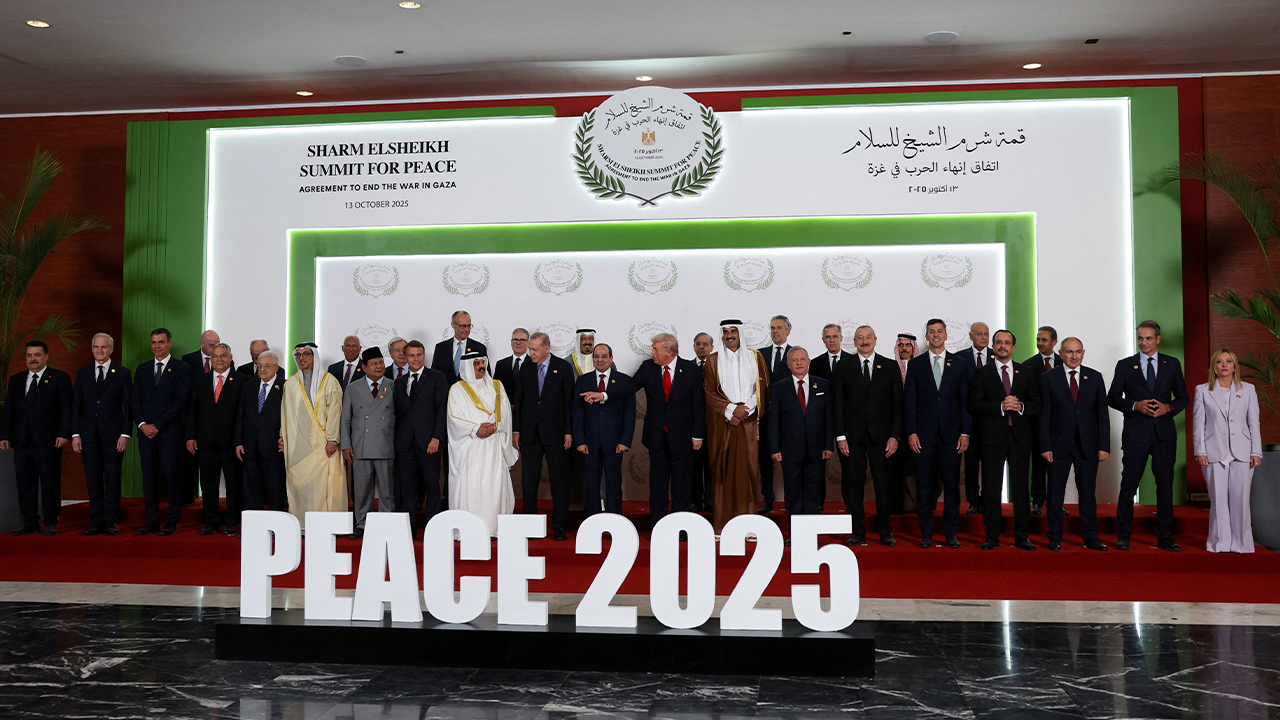
The article examines major developments in the Middle East in 2025, highlighting the pivotal role of the United States, under President Donald Trump, in reshaping the region’s political and military landscape. Key events include the release of all living Israeli hostages from Hamas captivity through a U.S.-brokered deal, a ceasefire that ended a two-year war in Gaza, and a series of U.S. and Israeli military operations that weakened Iran and its proxies. The piece points out that instead of retreating, the U.S. increased its involvement, fostering greater cooperation with regional powers like Saudi Arabia, Qatar, and the UAE, and overseeing the postwar phase in Gaza. The article discusses Iran's diminished influence and uncertain future, the persistent, albeit weakened, presence of Hamas, and the fragility of the current calm. Analysts warn that sustained U.S. engagement is essential to maintain stability, as adversaries may seek to exploit any lapse in attention.
Biblical Reflection
From a scriptural perspective, the article recounts a story of war, negotiation, and fragile peace, all driven by earthly power and political strategy. The release of hostages is a cause for gratitude—as the Bible highly values the freeing of captives (Isaiah 61:1)—but the means by which peace is obtained and sustained in this narrative centers on demonstrations of military strength and strategic alliances rather than the pursuit of justice, mercy, and reconciliation. Scripture teaches that true peace ('shalom') is more than the absence of conflict; it is the presence of righteousness, justice, and wholeness (Micah 6:8; Psalm 34:14). The focus on 'peace through strength' raises questions about reliance on force over forgiveness and healing, and the devastation described—displacement, destruction in Gaza, and the continued presence of militancy—reminds us that human solutions, while sometimes necessary, are incomplete and often bring new wounds. The Christian response is to pray for a deeper peace that transcends military might, for the healing of all people in the region, and for leaders to seek wisdom, humility, and justice in their actions. Ultimately, believers are called to be peacemakers (Matthew 5:9) and to intercede for all who suffer, longing for a day when swords are beaten into plowshares (Isaiah 2:4).
Scripture in context
This outlook does not yet include contextual Scripture citations. Do not treat a general biblical theme as an exegetical conclusion.
Faithful Response
No prescribed response is offered. Consider the reflection prompts below in your own church context.
Reflection and Discussion
- 1How do we discern when peace is genuine and just, rather than merely the result of force or fear?
- 2In a world often shaped by power struggles, how can we as Christians advocate for peace that reflects God’s justice and mercy?
- 3What role does prayer and personal peacemaking play in responding to global conflicts like those in the Middle East?
Sources
Reporting links are evidence inputs; Sanctuary News' biblical reflection is commentary.
This outlook currently relies on fewer than two linked sources. Broaden verification before teaching from it.
- 1.Original reportprimary