News Summary
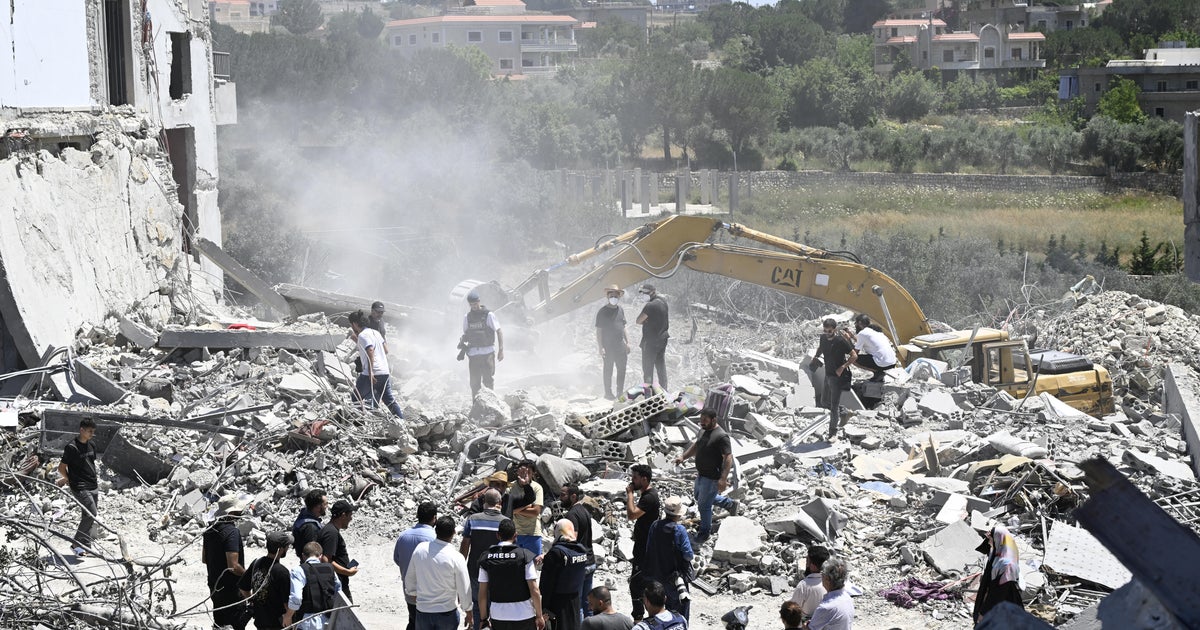
Oil prices fell then stabilized amid optimism about a memorandum of understanding between the United States and Iran that would extend a ceasefire, reopen the Strait of Hormuz, and start longer-term nuclear talks. President Trump announced an agreement and said the U.S. naval blockade would be removed; U.S., Iranian, and multilateral statements about the blockade’s status have been inconsistent. Tanker-tracking groups reported several Iranian-owned vessels crossing the blockade perimeter and the first Iranian crude oil shipments in two months. Major shippers say they will await clear details and security assurances before resuming regular transits. Iran’s foreign minister said Israeli forces’ continued presence in Lebanon would violate the agreement; Israel has continued airstrikes in southern Lebanon and says its troops will remain in occupied areas. Israeli officials including a far-right minister have rejected being bound by the U.S.-Iran memorandum. The memorandum is scheduled to be formally signed and followed by further talks at a conference in Switzerland, with sanctions waivers reportedly set to take effect immediately after signing, according to a Wall Street Journal report citing unnamed sources. U.S. lawmakers expressed cautious skepticism while saying they will monitor the process.
Biblical Reflection
This article reports concrete diplomatic steps alongside continuing military action, highlighting the fragile, contested nature of peace processes. The mixed messages from political leaders and military actors reveal how agreements can be undermined by unclear implementation, competing authorities, and ongoing violence. From a Christian perspective, the story calls us to test claims carefully (seeking truth), to mourn the human cost of continuing strikes and displacement (showing mercy), and to pray for leaders to act with humility and restraint. The reporting appears fact-focused but leans on statements from interested parties and some anonymous sourcing; readers should note where claims rest on political announcements, tracking data, or unnamed sources and withhold full confidence until verification. The piece underscores a tension between national security priorities and the moral urgency of protecting civilians and pursuing durable peace—Christians should weigh both legitimate security concerns and the call to love neighbors across borders.
Scripture in context
This outlook does not yet include contextual Scripture citations. Do not treat a general biblical theme as an exegetical conclusion.
Faithful Response
No prescribed response is offered. Consider the reflection prompts below in your own church context.
Reflection and Discussion
- 1Whose interests and voices are most amplified in this coverage, and whose suffering is only implied or underreported?
- 2How does reliance on political statements and anonymous sources shape our confidence in claims about ceasefires and blockade status?
- 3Are diplomatic agreements being treated as ends in themselves, or as steps toward concrete protections for civilians and lasting peace?
Sources
Reporting links are evidence inputs; Sanctuary News' biblical reflection is commentary.
This outlook currently relies on fewer than two linked sources. Broaden verification before teaching from it.
- 1.Original reportprimary