News Summary
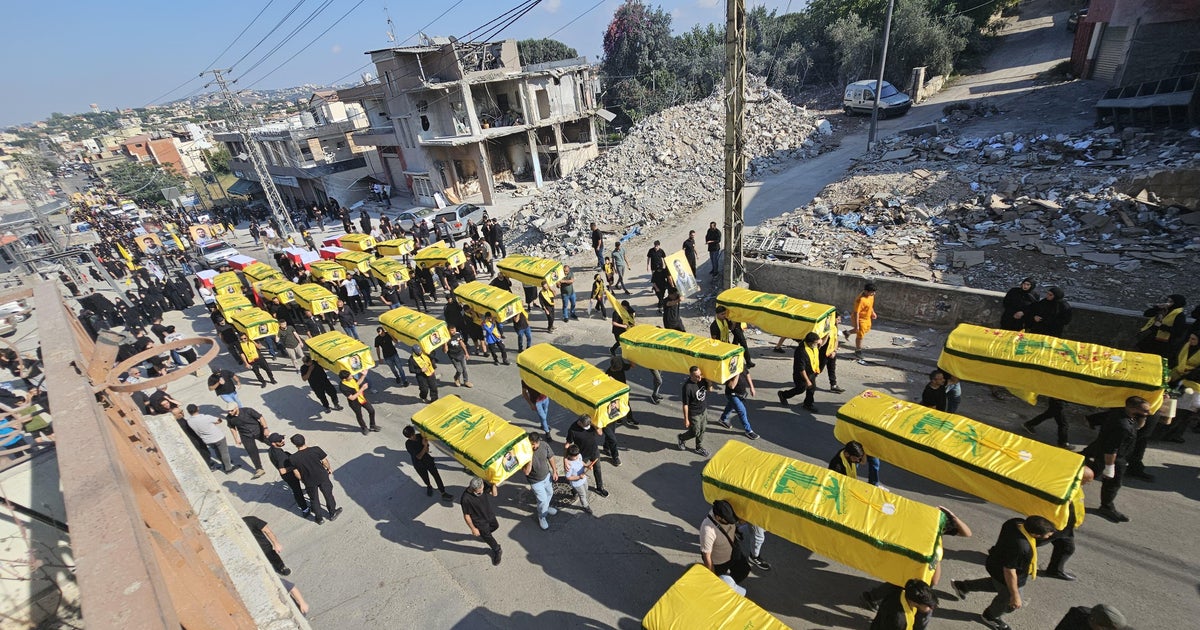
An Israel–Lebanon memorandum signed days earlier conditions Israel’s withdrawal from southern Lebanon on Hezbollah’s disarmament. Analysts quoted by Reuters and CBS say Hezbollah has refused to disarm and Lebanon’s government lacks the capacity to force it, meaning the agreement could provide Israel a pretext to keep forces in the south indefinitely. Lebanese and regional analysts described the deal as effectively imposed on Lebanon and unlikely to produce disarmament, warning it could increase tensions or provoke internal unrest. Separately, Iranian state media reported two members of the Islamic Revolutionary Guard Corps were shot dead in Paveh and two civilians in Saravan were attacked and later died; Iranian authorities blamed “Zionist-American mercenaries” in state coverage but did not identify perpetrators. Analysts also warned that Iran’s influence over strategic waterways like the Strait of Hormuz may persist and that maritime freedom may not quickly return. Moody’s Analytics estimated the Iran war has raised costs for U.S. households by roughly $1,000 since February due to higher fuel and food prices. U.S. officials planned talks in Doha to discuss implementation of a memorandum of understanding with Iran; Iran said an expert delegation would go to Doha but denied that Iranian negotiators would meet U.S. officials there. President Trump described the Doha meetings as “perhaps important, perhaps not.”
Biblical Reflection
The article reports on diplomatic and military developments that complicate wider peace efforts. Its factual core — that a linkage between Israeli withdrawal and Hezbollah disarmament is politically and practically fraught — is accurate and aligns with expert skepticism about disarming an entrenched militia through a bilateral memorandum. The piece combines analyst judgment, state media accounts, and economic estimates; readers should note which claims are attribution of opinion versus independently verified facts (for example, analyst statements about the deal’s likely outcomes versus state media’s attribution of responsibility for attacks inside Iran). From a Christian pastoral perspective, the story highlights how geopolitical bargaining often sidelines vulnerable civilians and entrenches cycles of fear and retaliation. The reporting rightly signals the moral complexity: legitimate security concerns for Israel, weak state capacity in Lebanon, and Iran’s regional leverage all shape outcomes. Christians should be cautious of narratives that simplify causation or dehumanize opposing peoples; state attributions of blame in conflict zones are frequently politicized and merit careful scrutiny. The news calls for prayerful concern for civilians, prophetic courage to speak for justice and restraint, and patient pursuit of truthful negotiation that seeks the common good rather than short-term advantage.
Scripture in context
This outlook does not yet include contextual Scripture citations. Do not treat a general biblical theme as an exegetical conclusion.
Faithful Response
No prescribed response is offered. Consider the reflection prompts below in your own church context.
Reflection and Discussion
- 1Whose safety and dignity are centered in this coverage — states, militias, or ordinary civilians — and how would that change how we evaluate proposed deals?
- 2What assumptions about force, sovereignty, and ‘legitimate’ security are shaping analysts’ conclusions, and how might those assumptions obscure peaceful alternatives?
- 3When state media or unnamed sources assign blame in violent incidents, what standards should Christians use to test those claims before accepting them?
Sources
Reporting links are evidence inputs; Sanctuary News' biblical reflection is commentary.
This outlook currently relies on fewer than two linked sources. Broaden verification before teaching from it.
- 1.Original reportprimary