News Summary
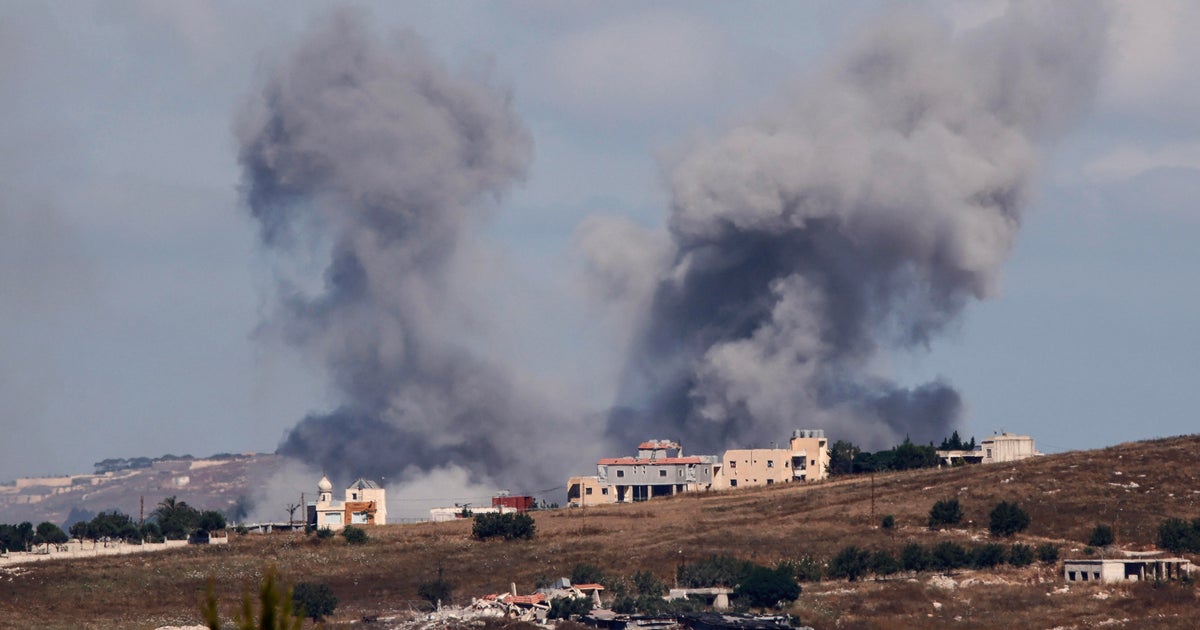
CBS News reports that a statement conveyed by Iran's state media and attributed to Iran's Supreme Leader Mojtaba Khamenei said Iran accepted terms of an agreement with the U.S. and that in-person negotiations could occur in the future, though Tehran would not necessarily accept broader U.S. demands. Two regional officials told the Associated Press that mediators were trying to calm intensified fighting in southern Lebanon and that Iran suspended plans to begin direct talks in Switzerland because of the fighting and comments by Israeli Prime Minister Benjamin Netanyahu that Iran officials viewed as violating the interim deal. Vice President JD Vance postponed a planned trip to Switzerland to lead next-phase talks; the White House cited logistical issues and said technical talks would begin as soon as possible. President Trump posted expectations that Hezbollah and Israel would stop fighting under the agreement. Israel said it attacked Hezbollah in response to repeated ceasefire violations and that strikes continued overnight; the Israel Defense Forces reported striking Hezbollah targets across southern Lebanon. Lebanese state media and officials reported at least 18 civilians killed in Israeli airstrikes, while Israel said four of its soldiers were killed and additional personnel were wounded by an explosive drone attack. The memorandum of understanding signed earlier in the week calls for an immediate halt to military operations on all fronts, including Lebanon, and for 60 days of technical talks on Iran's nuclear program; continued fighting in Lebanon could jeopardize that arrangement.
Biblical Reflection
The article presents competing official narratives: Iran framing its cooperation as constrained and conditional, the U.S. emphasizing ongoing diplomacy, and Israel presenting military action as defensive enforcement of a ceasefire. Each side has incentives to emphasize narratives that justify their next moves — Tehran to retain leverage, Washington to claim progress, and Israel to legitimize strikes. From a Christian perspective, the central moral concerns are the human cost and the credibility of efforts toward peace. Truth requires caution with statements from parties to the conflict and anonymous sources; mercy calls us to center the suffering of civilians rather than political spin; humility warns against assuming any single government speaks the whole truth; courage and neighbor-love press for sustained diplomatic effort to prevent wider violence. Christians should be wary of narratives that normalize retaliation as the only path and should support transparent, accountable diplomacy that seeks to protect the vulnerable and restrain escalation.
Scripture in context
This outlook does not yet include contextual Scripture citations. Do not treat a general biblical theme as an exegetical conclusion.
Faithful Response
No prescribed response is offered. Consider the reflection prompts below in your own church context.
Reflection and Discussion
- 1Which voices are centered in this coverage and whose suffering receives the least attention when violence resumes?
- 2How might political incentives shape each government's public narrative about the ceasefire and talks?
- 3Does the article treat diplomacy and military action as mutually exclusive or potentially complementary — and which framing leads to greater protection for civilians?
Sources
Reporting links are evidence inputs; Sanctuary News' biblical reflection is commentary.
This outlook currently relies on fewer than two linked sources. Broaden verification before teaching from it.
- 1.Original reportprimary