News Summary
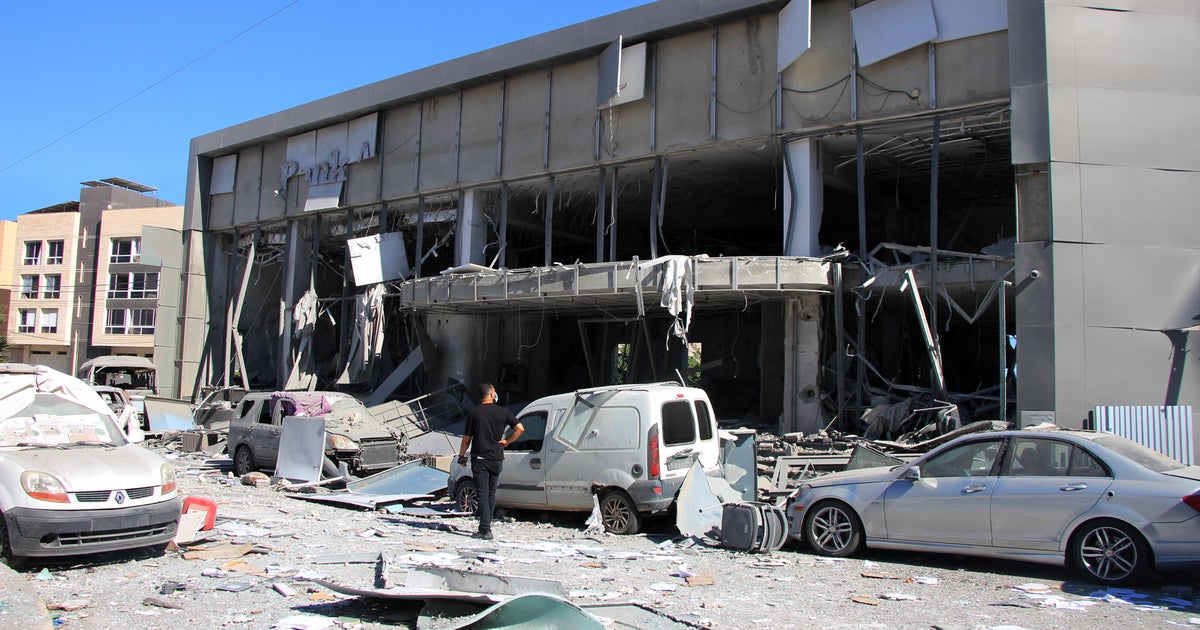
The U.S. House on Thursday rejected a war powers resolution introduced by Rep. Rashida Tlaib that would have ordered removal of U.S. forces from Lebanon; the measure failed 92–324. Democratic leaders said no U.S. servicemembers are currently involved in combat operations in Lebanon and signaled they would work on an updated Tlaib resolution to limit presidential war powers. Iranian Foreign Minister Abbas Araghchi told Lebanese media that the war had strengthened Iran strategically and that Iran's endurance pushed opponents toward negotiations; Iran’s deputy legal affairs minister said Tehran will not accept any deal that does not safeguard its interests. President Trump, speaking in the Oval Office, repeated claims that U.S. forces have “essentially wiped out” Iran’s military, said he might resume military action if U.S. troops were killed, and described having considered but rejected a special forces operation to seize Iran’s near-weapons-grade uranium stockpile. Hezbollah reportedly rejected a U.S.-brokered ceasefire in Lebanon; Israel issued evacuation warnings for multiple southern towns and struck at least one village after those warnings. Lebanese authorities reported mass displacement and an Israeli strike that killed seven people in Tyre. Separately, an Iranian-American journalist detained in Iran’s Evin Prison recorded an appeal for U.S. help obtaining medical care for prisoners after recent loosening of Iran’s internet blackout. The article notes ongoing missile exchanges between Iran and the U.S. military and that hostilities complicate prospects for a U.S.-Iran settlement.
Biblical Reflection
This reporting highlights the fragility of negotiations when military escalation and public rhetoric are present. Politicians and military actors on all sides use strong language that can serve domestic audiences while narrowing diplomatic flexibility. Claims about battlefield outcomes (for example, that a state’s military has been "essentially wiped out") should be treated cautiously and checked against independent evidence; such rhetoric can inflame fears and make restraint harder. From a Christian perspective, the story calls us to weigh power against responsibility: leaders are entrusted with protecting citizens but must also prioritize civilian safety, truthful speech, and sincere efforts toward reconciliation. The human cost in Lebanon—displacement and deaths—and the plight of detained Americans are real moral harms that demand mercy and concrete care, not just strategic calculation. Christians should be skeptical of narratives that normalize force as the primary tool of policy and should instead encourage honest assessment, protection of the vulnerable, and persistent pursuit of negotiated peace.
Scripture in context
This outlook does not yet include contextual Scripture citations. Do not treat a general biblical theme as an exegetical conclusion.
Faithful Response
No prescribed response is offered. Consider the reflection prompts below in your own church context.
Reflection and Discussion
- 1Whose human suffering is centered or sidelined in this coverage—combatants, detained civilians, or displaced families—and how does that shape our moral response?
- 2How does leaders’ public rhetoric compare with verifiable facts, and what spiritual dangers arise when proud language replaces honest assessment?
- 3Are military options presented as inevitable rather than last resorts, and how would prioritizing diplomacy change the trajectory for ordinary people in the region?
Sources
Reporting links are evidence inputs; Sanctuary News' biblical reflection is commentary.
This outlook currently relies on fewer than two linked sources. Broaden verification before teaching from it.
- 1.Original reportprimary