News Summary
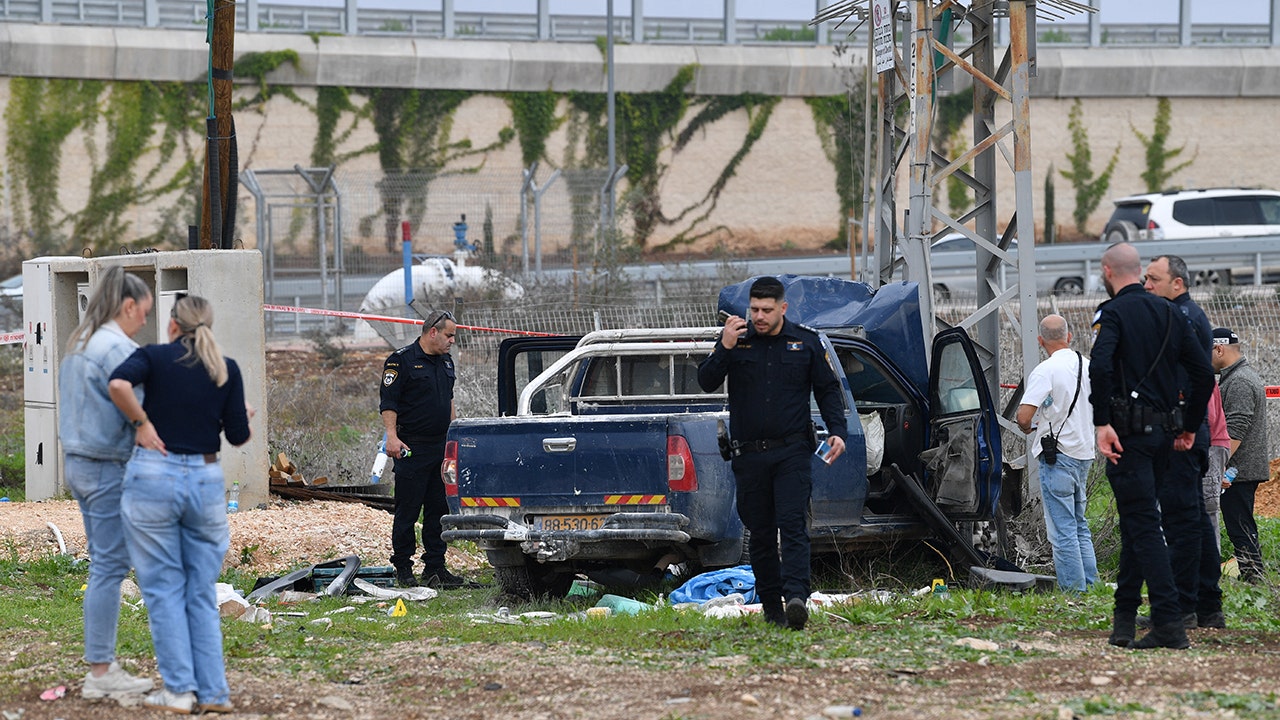
The article details a recent terrorist attack in northern Israel in which two Israelis, Aviv Maor and Mordechai Shimshon, were killed by a Palestinian attacker. Israeli Foreign Minister Gideon Sa'ar accused the Palestinian Authority (PA) of continuing its controversial 'Pay-for-Slay' policy, which involves financial payments to the families of Palestinians who have committed acts of terrorism against Israelis. The PA denies that these payments continue, but Israeli officials and analysts claim the policy persists in disguised forms. The article references the 2016 murder of Taylor Force, which brought global attention to the issue and led to the U.S. Taylor Force Act, prohibiting aid to the PA while such payments continue. The piece concludes with criticisms of Western nations for recognizing Palestinian statehood without addressing these alleged ongoing payments, and warns of the continued threat posed by groups like Hamas.
Biblical Reflection
Scripture is clear that the taking of innocent life is a grave evil (Exodus 20:13), and that those in authority are called to promote justice and peace, not violence (Romans 13:1-4). The 'Pay-for-Slay' policy, if accurately described, stands in direct opposition to biblical values by incentivizing murder and rewarding those who commit acts of terror. The biblical command is to 'seek peace and pursue it' (Psalm 34:14), not to glorify or materially support acts of violence. Furthermore, misleading others or disguising wrongdoing is condemned in scripture (Proverbs 12:22). As Christians, our response should be to mourn with those who mourn (Romans 12:15), pray for justice and truth to prevail, and advocate for actions and policies that protect the innocent and promote reconciliation rather than retaliation. The complicated and deeply-rooted conflict between Israelis and Palestinians demands honest leadership, accountability, and a radical commitment to the sanctity of life on all sides. Followers of Christ are called to be peacemakers—never excusing violence or injustice, but seeking ways to sow seeds of truth, repentance, and genuine reconciliation.
Scripture in context
This outlook does not yet include contextual Scripture citations. Do not treat a general biblical theme as an exegetical conclusion.
Faithful Response
No prescribed response is offered. Consider the reflection prompts below in your own church context.
Reflection and Discussion
- 1How can we, as followers of Christ, advocate for the protection of innocent life in areas of conflict?
- 2What is our responsibility when presented with claims of injustice or wrongdoing by those in authority?
- 3How can we pursue peace and truth in our prayers and actions regarding situations marked by violence and political complexity?
Sources
Reporting links are evidence inputs; Sanctuary News' biblical reflection is commentary.
This outlook currently relies on fewer than two linked sources. Broaden verification before teaching from it.
- 1.Original reportprimary