News Summary
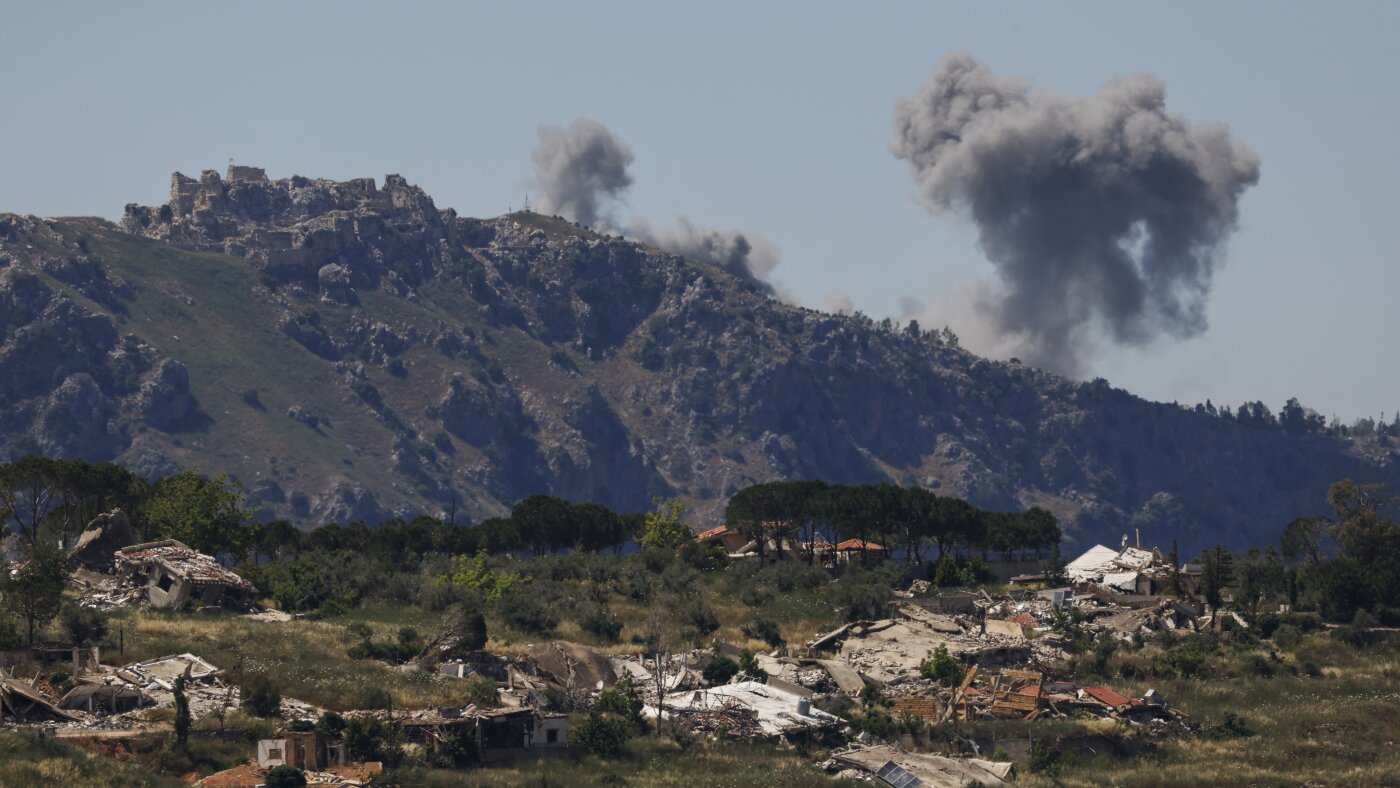
Lebanon and Israel reached a provisional agreement on a new ceasefire in talks held in Washington. Hours after the announcement, Israeli forces continued military operations and Hezbollah said it would reject any ceasefire that did not begin with Israeli withdrawal from Lebanese territory. The United Nations peacekeeping mission in Lebanon (UNIFIL) reported that mortars struck a position near Marjayoun in southeastern Lebanon, killing one peacekeeper and wounding others; a U.N. source said the mortars appeared to have come from Hezbollah. Iran's Islamic Revolutionary Guard Corps commander Esmail Qaani was quoted saying Israel must withdraw to pre-war positions as the first step in a ceasefire with Lebanon. Lebanese President Joseph Aoun said the ceasefire would take effect within 24 hours of approval by all concerned parties, especially Hezbollah. Israeli Defense Minister Israel Katz said Israel seeks a demilitarized zone within Lebanon while continuing operations against Hezbollah and would not withdraw from southern positions. The U.S. does not engage directly with Hezbollah; Lebanon's negotiations in Washington did not include direct participation by the group. The article also notes that Iran has conditioned wider ceasefire talks involving the U.S. and Israel on progress toward a ceasefire in Lebanon.
Biblical Reflection
The article reports diplomatic movement alongside continued violence and competing preconditions for peace. Christian discernment requires noticing both the factual claims and where information depends on unnamed sources or partisan statements. The narrative centers state and militant leaders’ positions (Israel’s security demands, Hezbollah’s demand for withdrawal, Iran’s regional stance) and highlights a U.N. casualty that underlines the human cost. The coverage leans toward describing tactical positions and official statements rather than the experience of civilians in affected communities. From a pastoral perspective, the priorities Jesus modeled — truth-telling, protecting the vulnerable, seeking reconciliation — call us to demand transparency about who is responsible for attacks, to lament loss of life, and to press leaders toward genuine, enforceable steps that reduce harm. Christians should resist quick alignment with the rhetoric of any party and instead advocate for accountability, humanitarian access, and honest diplomacy that centers human flourishing over territorial or political advantage.
Scripture in context
This outlook does not yet include contextual Scripture citations. Do not treat a general biblical theme as an exegetical conclusion.
Faithful Response
No prescribed response is offered. Consider the reflection prompts below in your own church context.
Reflection and Discussion
- 1Whose voices and experiences are absent from this reporting (for example, civilians displaced or injured), and how does that absence shape our view of what 'success' looks like?
- 2Which claims in the story rest on anonymous or single-source attributions, and how should that affect our confidence in assigning responsibility?
- 3Are calls for security or withdrawal being framed as mutually exclusive, and might true peace require both accountability for violence and concrete protections for civilians?
Sources
Reporting links are evidence inputs; Sanctuary News' biblical reflection is commentary.
This outlook currently relies on fewer than two linked sources. Broaden verification before teaching from it.
- 1.Original reportprimary