News Summary
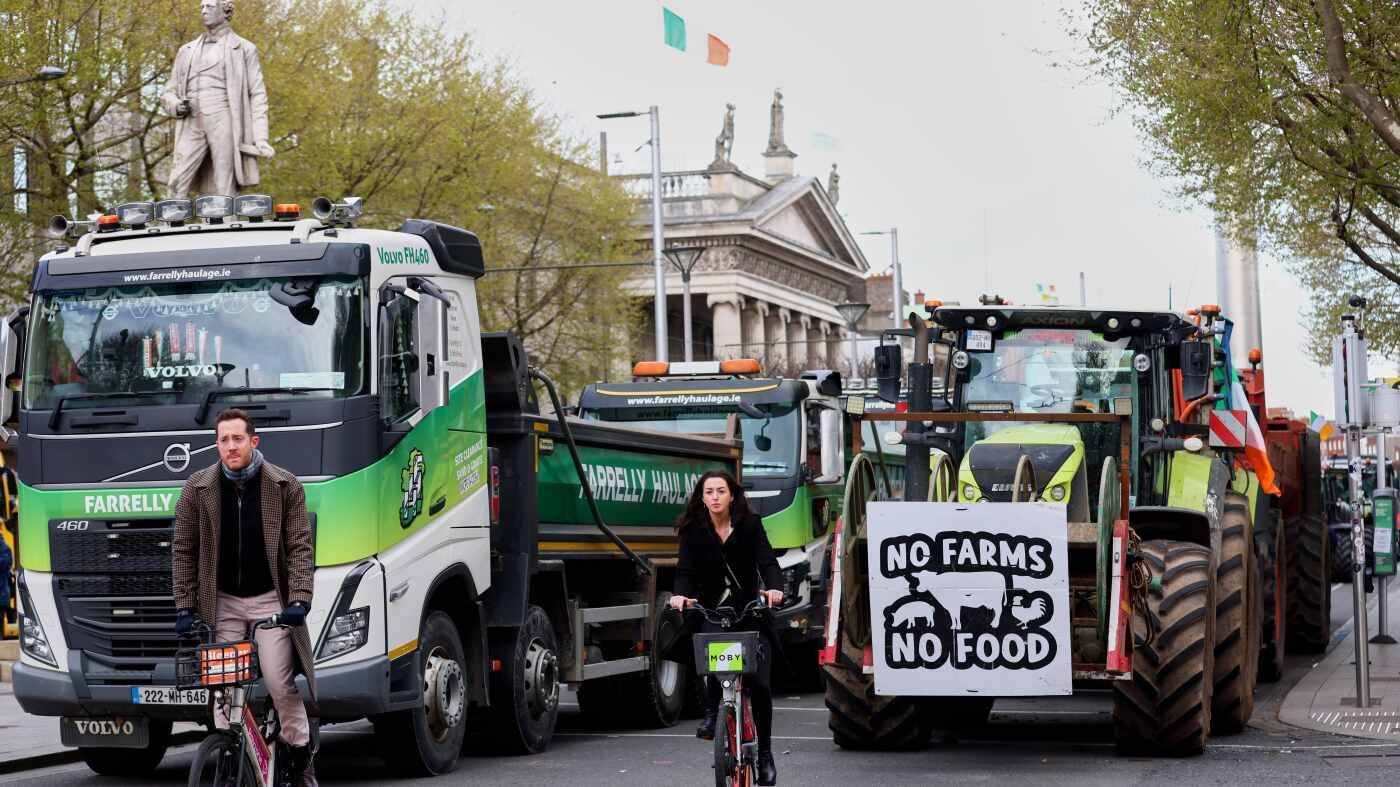
A weeklong series of fuel-related protests in Ireland began April 7 with slow-moving convoys of truckers, farmers, taxi and bus operators blocking roads, fuel depots and at least one major port, and disrupting access to the country’s sole oil refinery at Whitegate. The blockades caused supply shortages (more than a third of pumps reportedly ran dry) and widespread traffic disruption. Protesters demanded price caps or tax cuts to ease rising fuel costs. Prime Minister Micheál Martin announced additional tax cuts and a relief package of €505 million that includes direct payments to truckers and school bus operators and fuel subsidies for agriculture and fishing; this follows a €250 million tax break approved three weeks earlier. Opposition party Sinn Féin called for a no-confidence vote in the government over its handling of the protests; the coalition government scheduled an earlier confidence vote. Police and military forces cleared some roadblocks, including at the Whitegate refinery and depots, and there were clashes between police and some protesters in which pepper spray was used and an army vehicle knocked down a barricade at Galway port. Several smaller parties and independents indicated they would back the no-confidence motion if it proceeds. The government has defended its actions as necessary to protect ports and the wider economy.
Biblical Reflection
The article reports a clash of legitimate economic grievance and the state's duty to keep essential infrastructure open. From a Christian perspective, this story highlights several tensions: the biblical call to care for those facing economic hardship and to pursue justice for the vulnerable, alongside the biblical injunction to maintain order, protect neighbors, and respect authorities (which are responsible for the common good). The protesters' demands reflect real hardship that should prompt compassionate action; governmental sluggishness or inadequate relief rightly attracts scrutiny. At the same time, tactics that intentionally shut down critical infrastructure or harm other people's livelihoods raise ethical concerns: civil disobedience that causes broad harm undermines neighborly love. The article’s framing is largely factual but compresses complex causation (it links the immediate fuel shock to disruptions in global shipping without exploring other contributing factors) and emphasizes political maneuvering (no-confidence versus confidence votes). Christian discernment here means holding both convictions: advocate energetically and peacefully for just relief for the suffering, while rejecting lawlessness that endangers others. Pray for wise, transparent leadership that stewards resources well and for citizens who pursue justice with humility and love rather than anger and division.
Scripture in context
This outlook does not yet include contextual Scripture citations. Do not treat a general biblical theme as an exegetical conclusion.
Faithful Response
No prescribed response is offered. Consider the reflection prompts below in your own church context.
Reflection and Discussion
- 1Whose suffering does the article center, and whose suffering is less visible in the coverage — are the voices of the most vulnerable being heard?
- 2Does the reporting prioritize political point-scoring over examining long-term policies that created the vulnerability to fuel shocks and price spikes?
- 3Are the protesters’ methods proportionate and consistent with loving one’s neighbor, or do they shift harm onto people who are not the intended decision-makers?
Sources
Reporting links are evidence inputs; Sanctuary News' biblical reflection is commentary.
This outlook currently relies on fewer than two linked sources. Broaden verification before teaching from it.
- 1.Original reportprimary