News Summary
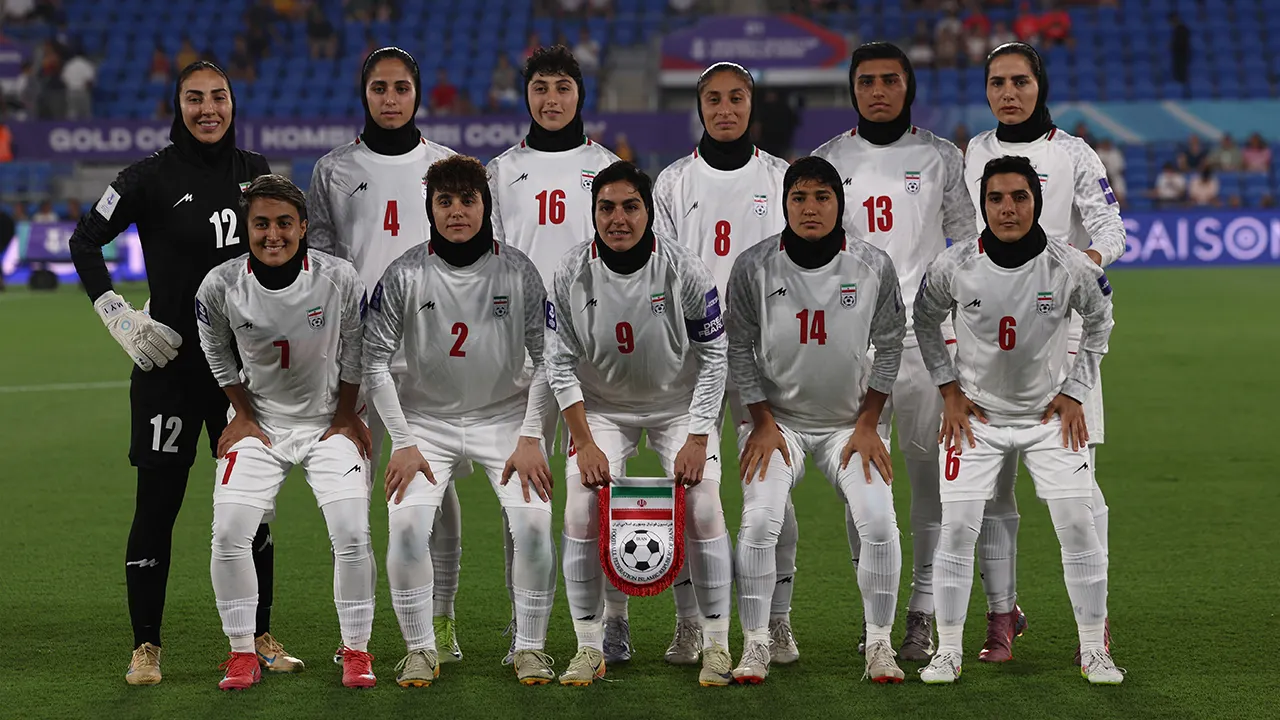
During the opening match of the Women's Asian Cup in Australia, the Iranian women's national soccer team refused to sing their national anthem in a display widely interpreted as a silent protest. The event occurred amidst significant political upheaval in Iran, following recent U.S.-Israeli military strikes that killed Iran’s Supreme Leader, Ayatollah Ali Khamenei, and other major Iranian leaders. The news coverage highlighted the players' stoic silence, the manager's supportive demeanor, and subsequent questioning by media about the broader political situation, which was quickly deflected. The incident takes place against the backdrop of Iran's 40-day mourning period, ongoing military conflict, and uncertainty surrounding Iran's participation in the upcoming FIFA World Cup. The political and security turmoil has had ramifications across both Iranian and Israeli sports teams, with training and competition disrupted due to the violence.
Biblical Reflection
From a biblical perspective, this news story is a poignant example of the tension between allegiance to earthly authorities and the courage to stand for conscience and justice. Scripture reminds us to 'submit to governing authorities' (Romans 13:1), but also calls believers to 'obey God rather than men' (Acts 5:29) when authorities demand what is unjust or contrary to God's law. The silent protest by the Iranian women’s soccer team can be seen as an act of conscience, highlighting the biblical principle of speaking (or in this case, remaining silent) for justice, even at personal risk. Their demeanor reflects the Beatitude: 'Blessed are those who are persecuted for righteousness' sake' (Matthew 5:10). The article also exposes the deep pain, uncertainty, and brokenness brought about by war, political upheaval, and authoritarianism—realities that Christians are called to lament, pray over, and seek peace and justice in the midst of. As we witness these events, we are reminded that our ultimate hope is not in earthly powers but in Christ, who alone brings true justice, peace, and freedom.
Scripture in context
This outlook does not yet include contextual Scripture citations. Do not treat a general biblical theme as an exegetical conclusion.
Faithful Response
No prescribed response is offered. Consider the reflection prompts below in your own church context.
Reflection and Discussion
- 1How do I respond when my conscience or faith comes into conflict with authority or popular opinion?
- 2In what ways can I pray for and support those who take risks for justice and human dignity?
- 3Where do I place my hope in times of political and social upheaval?
Sources
Reporting links are evidence inputs; Sanctuary News' biblical reflection is commentary.
This outlook currently relies on fewer than two linked sources. Broaden verification before teaching from it.
- 1.Original reportprimary