News Summary
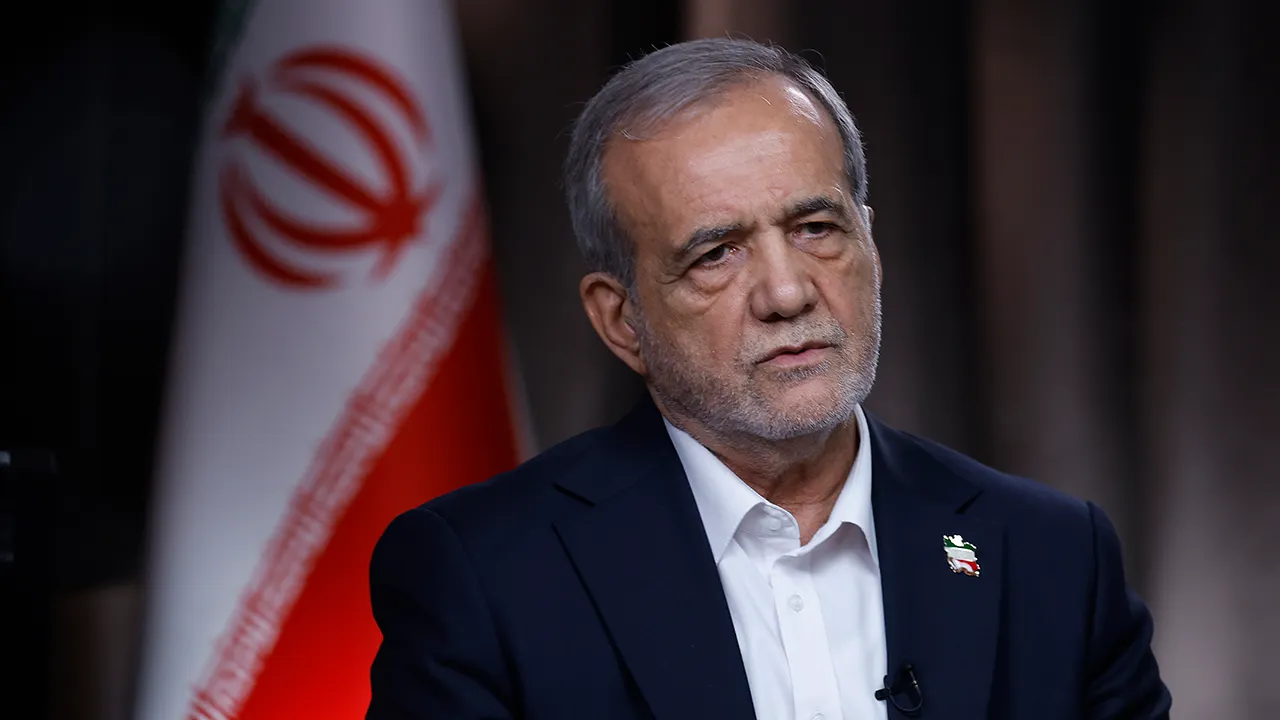
Iranian President Masoud Pezeshkian has declared that Iran is in a 'total war' with the United States, Israel, and Europe, claiming these Western powers aim to bring Iran 'to its knees.' He described the current conflict as more complex than the Iran-Iraq war of the 1980s, highlighting pressures on Iran in cultural, political, economic, and security domains. Despite recent military clashes with Israel, including significant casualties and destruction of nuclear facilities, Pezeshkian asserted that Iran's military has grown stronger. President Trump announced successful U.S. strikes on key Iranian nuclear sites, aiming to eliminate Iran's nuclear threat. A ceasefire brokered by the U.S. is now in effect. The article also notes an upcoming meeting between Israeli Prime Minister Netanyahu and former President Trump, reflecting ongoing high tensions in the region.
Biblical Reflection
From a Christian and biblical perspective, the escalation and rhetoric of 'total war' reflect the tragic cycle of conflict and enmity that marks much of human history apart from God’s way of peace. Scripture consistently warns against placing trust in military might, vengeance, or national pride (Psalm 20:7; Isaiah 2:4). While governments have a legitimate duty to protect their people, the language of total war and retribution rarely leads to justice, healing, or reconciliation. Jesus calls His followers to be peacemakers (Matthew 5:9) and to pray for enemies (Matthew 5:44). The suffering of innocents on all sides, the destruction of life, and the perpetuation of animosity are deeply contrary to God’s heart for the world. Rather than viewing adversaries as enemies to destroy, the biblical vision is one of seeking understanding, reconciliation, and, where possible, peace. This article is a sobering reminder of the world's brokenness and the urgent need for Christians to pray for wisdom for world leaders, advocate for peace, and model Christ's love even in times of great tension.
Scripture in context
This outlook does not yet include contextual Scripture citations. Do not treat a general biblical theme as an exegetical conclusion.
Faithful Response
No prescribed response is offered. Consider the reflection prompts below in your own church context.
Reflection and Discussion
- 1How can we pray for and support peace in regions marked by deep conflict and mistrust?
- 2Are there ways we, as individuals or communities, can model peacemaking and reconciliation in a world prone to hostility?
- 3What does it mean to love our enemies in the context of international conflict?
Sources
Reporting links are evidence inputs; Sanctuary News' biblical reflection is commentary.
This outlook currently relies on fewer than two linked sources. Broaden verification before teaching from it.
- 1.Original reportprimary