News Summary
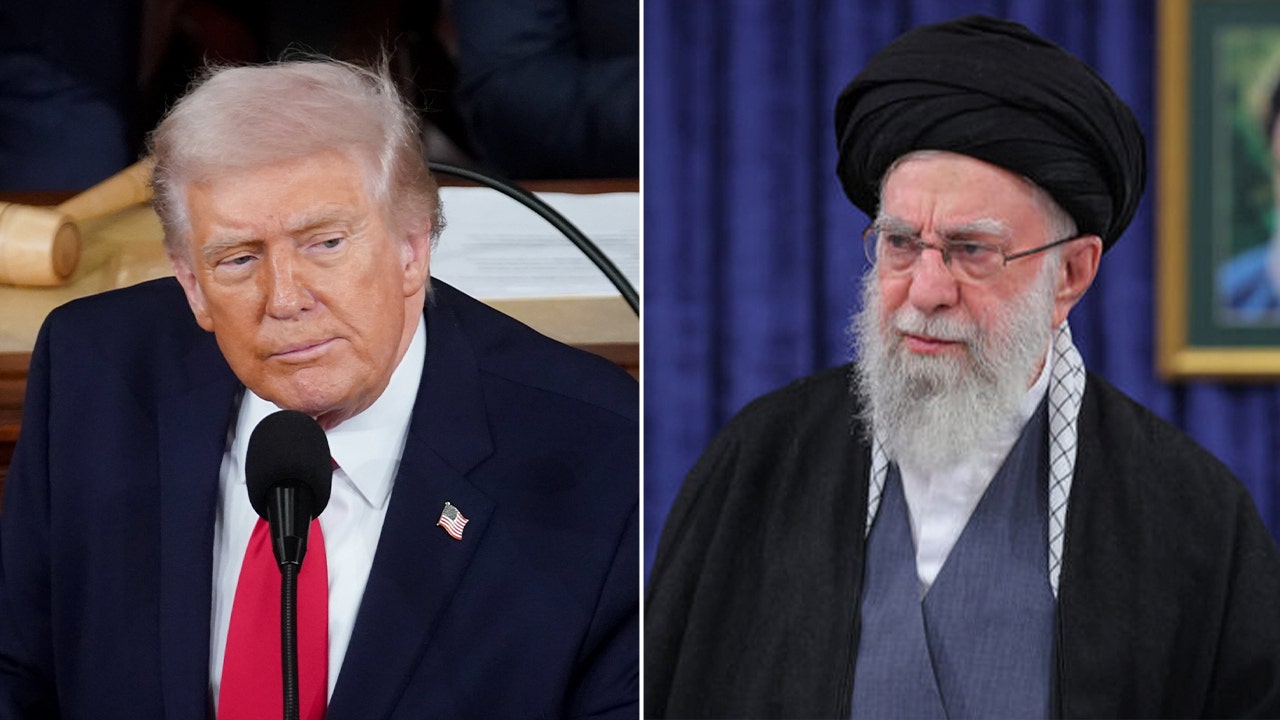
Iranian Foreign Minister Abbas Araghchi, in a June 4 interview on Lebanon-based Al Mayadeen, described that the Feb. 28 strike on Supreme Leader Ali Khamenei’s compound destroyed one wing of the building while leaving an adjacent wing intact; Araghchi said he survived because he had been in the other wing. The article reports that the daylight attack, named Operation Epic Fury, was carried out by Israeli jets using about 30 precision munitions and Sparrow air-launched ballistic missiles and that military officials said Khamenei, Iran’s defense minister and several top security leaders were killed. Counterterrorism expert Dr. Omar Mohammed told Fox News Digital that Araghchi’s account supports the view that the operation targeted a specific section of the compound rather than flattening the entire site, and framed the strike as consistent with what he called President Trump’s doctrine of precision decapitation combined with offering an off-ramp. The piece notes President Trump publicly acknowledged U.S. involvement at the time. The article reports that Iran retaliated with strikes on Israel and neighboring states, that the Strait of Hormuz was closed temporarily, and that Iran’s leadership passed to Mojtaba Khamenei, who has since engaged in back-channel talks while maintaining a confrontational public posture.
Biblical Reflection
This report highlights a hard moral and strategic tension: states may claim precision and deterrence as justification for targeted removal of hostile leaders, yet such acts carry grave risks of escalation, civilian harm, and regional instability. The article presents a perspective that emphasizes American and Israeli capabilities and frames Iran’s subsequent actions as the primary cause of a widening war; that framing aligns with a particular strategic interpretation but may understate fog-of-war uncertainties and civilian costs. Readers should note sources and likely biases — the interview aired on a Hezbollah-aligned network, the reporting is from Fox News, and analysts quoted interpret events through a national-security lens. From a Christian vantage point, the news invites sober judgment: the use of force—even if precise—does not remove the obligations to seek truth, protect innocents, pursue justice with mercy, and work earnestly for reconciliation and the preservation of life. Christians should resist triumphalism over a leader’s death, insist on clear accounting for civilian harm, and pray for leaders to prefer de-escalation and genuine avenues to peace rather than cycles of retaliation.
Scripture in context
This outlook does not yet include contextual Scripture citations. Do not treat a general biblical theme as an exegetical conclusion.
Faithful Response
No prescribed response is offered. Consider the reflection prompts below in your own church context.
Reflection and Discussion
- 1Which voices and sources are centered in this coverage, and whose perspectives or civilian experiences are missing from the narrative?
- 2How does portraying a strike as 'surgical' or 'precise' influence public willingness to accept lethal force, and what does that imply for holding leaders accountable for consequences?
- 3Are calls for deterrence being balanced publicly with honest accounting of human cost and clear plans for de-escalation and care for affected communities?
Sources
Reporting links are evidence inputs; Sanctuary News' biblical reflection is commentary.
This outlook currently relies on fewer than two linked sources. Broaden verification before teaching from it.
- 1.Original reportprimary