News Summary
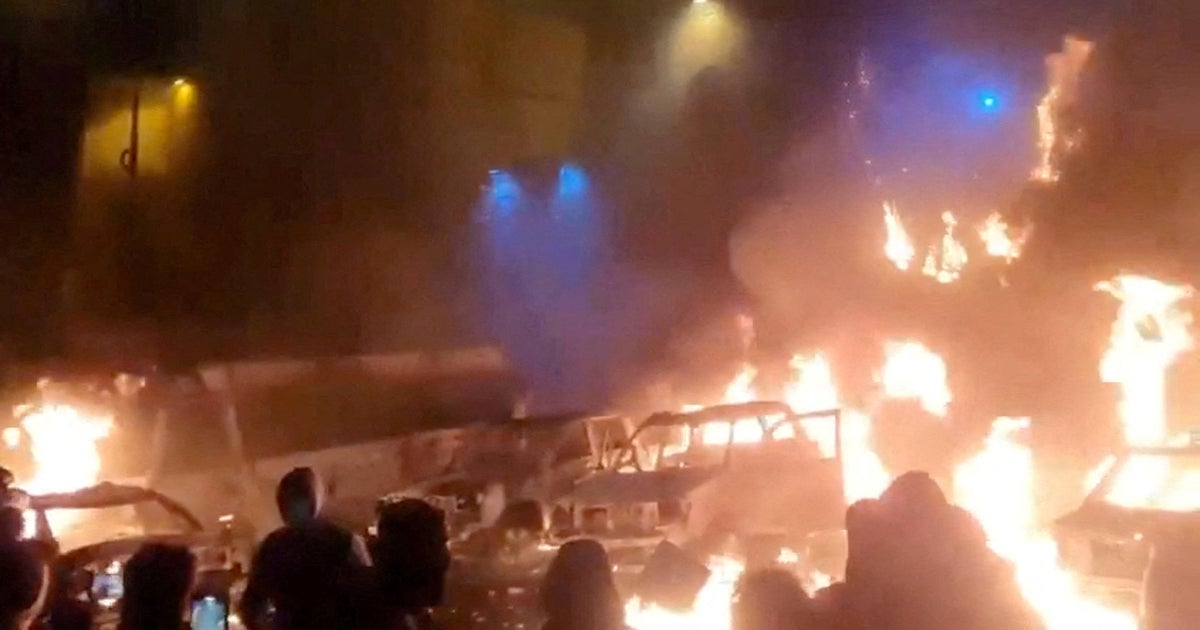
The article reports on widespread and escalating protests in Iran, which began over economic discontent but have grown into a direct challenge to the ruling theocracy. The Iranian government has responded by shutting down the internet, cutting off communications, and threatening protesters with 'maximum' punishment, including possible violent crackdowns. Official sources report at least 65 deaths, though some estimates claim many more. Over 2,300 arrests have been made, and protests have spread to at least 180 cities. The United States, under President Trump and Secretary of State Marco Rubio, has voiced support for the protesters and threatened severe American retaliation if demonstrators are killed. Iran's Supreme Leader Ayatollah Ali Khamenei accused the U.S. of interference, while state media labeled protesters as 'terrorists.' Meanwhile, exiled Crown Prince Reza Pahlavi has called on Iranians to seize control of towns and cities, fueling the movement from abroad. The true scale of the unrest remains unclear due to a government-imposed communications blackout.
Biblical Reflection
Viewed through a biblical lens, this article highlights the tragic consequences when power is used to oppress rather than to serve. The Iranian authorities' harsh response to protest, including threats of 'maximum punishment,' stands in stark contrast to the biblical call for justice, mercy, and respect for human dignity. Scripture consistently warns against the misuse of authority (Isaiah 10:1-2; Proverbs 29:2) and upholds the right to speak out against injustice (Proverbs 31:8-9). The deliberate suppression of communication and the labeling of peaceful dissenters as 'terrorists' are acts that seek to silence truth and stoke fear, rather than pursue reconciliation or reform. While political intervention from abroad can have complex motives, the biblical call remains: those in power must act justly and love mercy (Micah 6:8), and all people are called to seek peace and pray for those who are persecuted (Matthew 5:44). The suffering of the Iranian people should move Christians to compassion, prayer, and advocacy for justice. At the same time, the temptation to respond to violence with greater violence—no matter the nation—must be weighed against Christ's teachings on peacemaking and love for enemies. Ultimately, human revolutions may shift earthly power, but true freedom comes from the justice, mercy, and peace found in God.
Scripture in context
This outlook does not yet include contextual Scripture citations. Do not treat a general biblical theme as an exegetical conclusion.
Faithful Response
No prescribed response is offered. Consider the reflection prompts below in your own church context.
Reflection and Discussion
- 1How can we advocate for justice and mercy when we see governments oppressing their people?
- 2What does it mean to 'speak up for those who cannot speak for themselves' in the context of international conflict?
- 3How can Christians balance the call to seek justice with Jesus' teaching on loving our enemies and pursuing peace?
Sources
Reporting links are evidence inputs; Sanctuary News' biblical reflection is commentary.
This outlook currently relies on fewer than two linked sources. Broaden verification before teaching from it.
- 1.Original reportprimary