News Summary
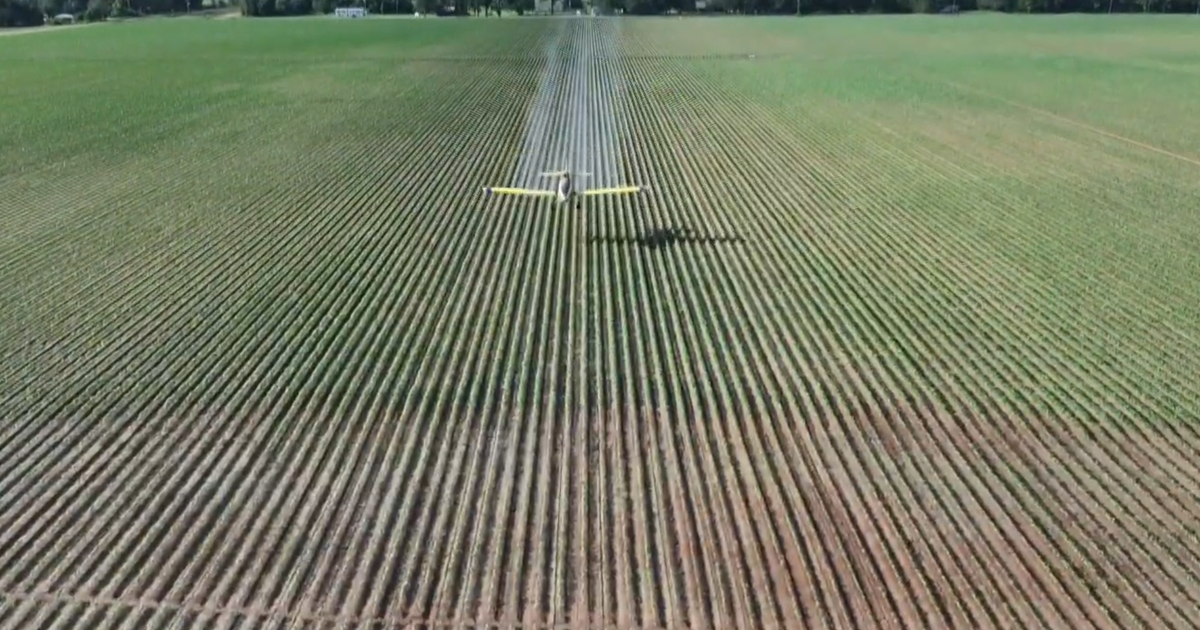
In northeast Louisiana farmers and agricultural service providers report sharply higher energy and fertilizer costs tied to the 2026 war involving Iran. Aerial applicator Reed Keahey said Jet-A (kerosene-based) fuel that cost $2.46 per gallon in February rose to $4.11 in May and was $3.18 at the time of reporting; he typically purchases 7,500 gallons at a time. David and Theresa Guererro said their farm’s urea fertilizer costs spiked after disruptions to shipping through the Persian Gulf and Strait of Hormuz; they are currently overbudget on urea by roughly $120,000–$130,000. The article notes that nearly half of global urea exports originate in the Persian Gulf and that the passage handled about 20% of the world’s oil. The American Farm Bureau Federation reported that U.S. farm bankruptcies rose 46% compared with 2024. Local farmers and service providers described the situation as a “game of survival,” with some absorbing costs rather than passing them fully to customers.
Biblical Reflection
The story documents a clear causal chain: armed conflict in a major oil- and fertilizer-exporting region has raised energy and input costs, which in turn strain small businesses and family farms. The article’s human-centered reporting (farmers, an applicator) accurately shows how distant geopolitical events produce local material consequences. It does not delve into policy responses, market mechanisms, or longer-term adaptive strategies, so readers should note that solutions and broader economic context are not fully represented. From a Christian perspective, this is a reminder that war harms noncombatants and that our vocation includes both compassionate care for neighbors under economic stress and wise stewardship of resources. Christian virtues suggest offering practical help to struggling producers, advocating for peaceful resolution of conflict, and supporting public policies that protect vulnerable livelihoods while seeking equitable, long-term solutions for food and energy security. The narrative is fact-based in its examples, but readers should watch for implicit framing that treats price shocks as merely temporary burdens rather than problems requiring structural responses and communal solidarity.
Scripture in context
This outlook does not yet include contextual Scripture citations. Do not treat a general biblical theme as an exegetical conclusion.
Faithful Response
No prescribed response is offered. Consider the reflection prompts below in your own church context.
Reflection and Discussion
- 1Whose costs are invisible in this account—workers, rural suppliers, or consumers—and how might that shape our response?
- 2How does this story challenge us to balance short-term relief for struggling families with long-term advocacy for policies that reduce vulnerability to global shocks?
- 3What practical steps can faith communities take to support local farms and families affected by supply-chain and energy disruptions?
Sources
Reporting links are evidence inputs; Sanctuary News' biblical reflection is commentary.
This outlook currently relies on fewer than two linked sources. Broaden verification before teaching from it.
- 1.Original reportprimary