News Summary
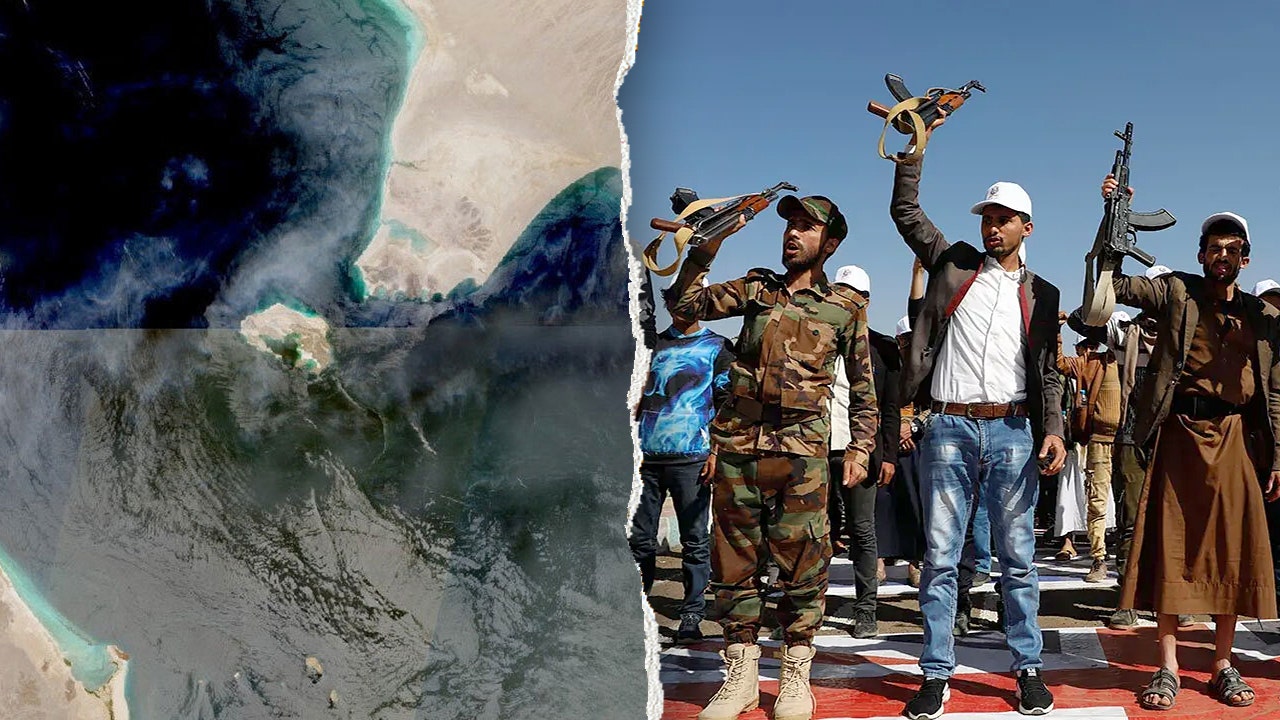
Three sources told Reuters that Iran’s leadership recently instructed Yemen’s Houthi forces to prepare to close the Bab el‑Mandeb Strait — a key gateway between the Gulf of Aden and the Red Sea — if the United States strikes Iranian power infrastructure. A source close to the Houthis said missiles and drones were deployed near the waterway and the group was awaiting orders to attack shipping. Analysts told Fox News Digital the Houthis could not necessarily fully seal the strait but could significantly disrupt maritime traffic through missile, drone and sea‑mine attacks, prompting rerouting, higher insurance and freight costs. The report cites experts (including Nadwa Al‑Dawsari and Edmund Fitton‑Brown) warning such a campaign could provoke international military responses and broader escalation. The article notes Iran has already threatened and at times disrupted the Strait of Hormuz and that about 7% of global energy supplies transit the Bab el‑Mandeb route after some Gulf exports were diverted through Saudi ports. U.S. and U.N. officials condemned Houthi attacks on shipping; U.N. officials and others warned such actions would endanger seafarers, freedom of navigation and global supply chains. The report also raised questions about the degree of Iranian control over Houthi military decisions and mentioned concerns from Yemeni political actors about detainee releases linked to U.N. mediation and possible inclusion of individuals accused of facilitating Iranian weapon transfers.
Biblical Reflection
Through a Christian lens, the report highlights a real strategic threat to global commerce and civilian life, and it rightly raises alarm about the risk of wider violence. The article relies on multiple sources and named experts, which supports credibility, but its framing — published by a U.S. outlet covering security threats — centers military and economic consequences and uses charged language (e.g., "terror group," "Iran‑backed") that shapes readers toward threat perception rather than humanitarian nuance. Hidden or underemphasized elements include the likely humanitarian cost to Yemeni civilians, the local political complexity inside Yemen, and long‑term causes that fuel proxy relationships. Biblically, Christians should weigh legitimate concerns for justice, protection of the innocent and peacekeeping with mercy for the suffering and an insistence on honest, sober truth-telling. We must resist narratives that simplify complex causes into single villains and remember that policy options have moral as well as security consequences. Pray for prudent leaders who seek nonviolent pathways where possible, for protection of noncombatants (seafarers and Yemeni civilians), and for truth to be told without inflaming fear or xenophobia.
Scripture in context
This outlook does not yet include contextual Scripture citations. Do not treat a general biblical theme as an exegetical conclusion.
Faithful Response
No prescribed response is offered. Consider the reflection prompts below in your own church context.
Reflection and Discussion
- 1Whose lives and interests are centered in this reporting — global commerce and state security, or the civilians in Yemen who will also suffer the consequences?
- 2How does labeling groups and states (e.g., "terror" or "Iran‑backed") shape public perception and policy options, and does the article give enough context to judge culpability and control?
- 3Are the article’s suggested responses proportionate to the facts presented, and what long‑term moral costs might follow from prioritizing military retaliation over diplomatic or humanitarian measures?
Sources
Reporting links are evidence inputs; Sanctuary News' biblical reflection is commentary.
This outlook currently relies on fewer than two linked sources. Broaden verification before teaching from it.
- 1.Original reportprimary