News Summary
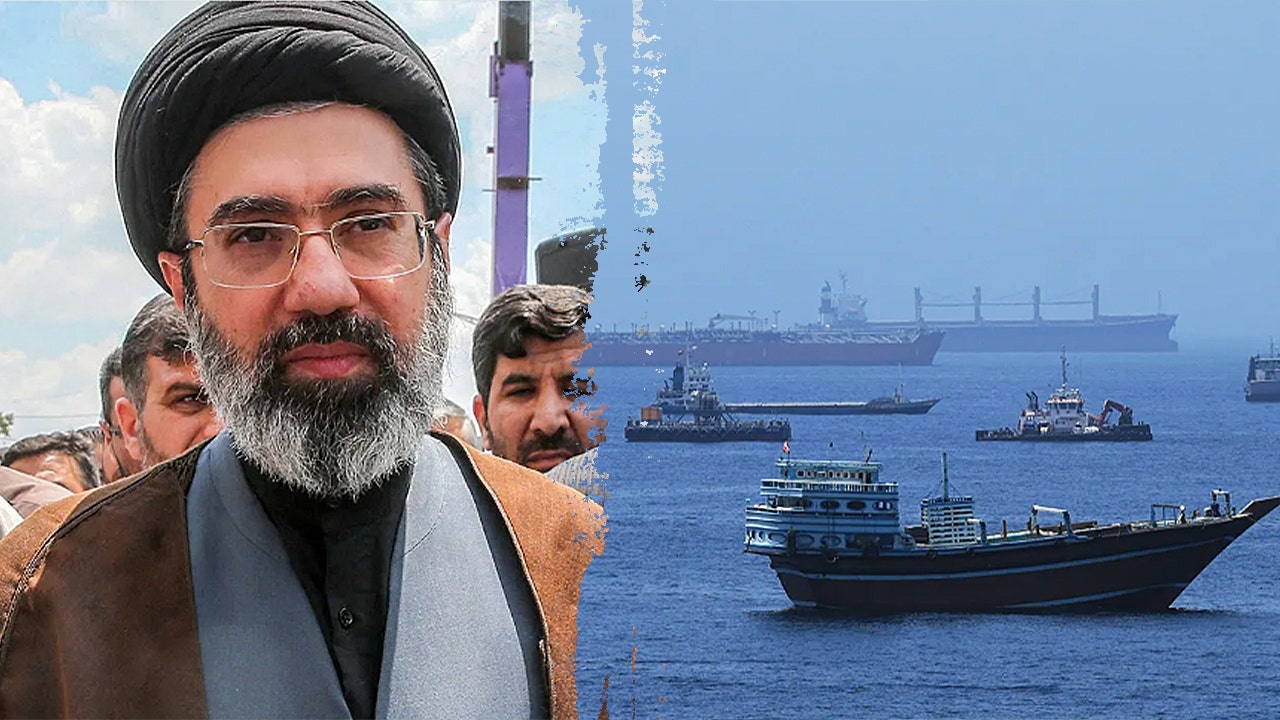
U.S. and Oman have been steering commercial vessels through a newly developed southern corridor along Oman’s coast to move traffic farther from Iran’s immediate reach. Iran launched attacks on commercial shipping shortly after the corridor began to be used; U.S. and regional officials and retired military commanders told Fox News they view the timing as deliberate and intended to protect Iran’s leverage over the Strait of Hormuz. Maritime intelligence firm Windward says nearly half of inbound commercial traffic through the strait is already using the southern route. In response to Iranian attacks, the U.S. struck Iranian military targets tied to maritime operations; Iran then attacked U.S. facilities and regional partners. Negotiations and a ceasefire memorandum followed, under which Iran, Oman and Gulf littoral states are to negotiate future administration and maritime services for the strait while commercial traffic moves toll-free for 60 days. President Trump publicly insisted there will be “NO TOLLS” after negotiations, though the memorandum does not explicitly guarantee that outcome. Gulf states have been expanding pipelines and export capacity (e.g., East–West pipeline, Fujairah) to reduce reliance on Hormuz. Analysts quoted argue these shifts and the southern corridor could gradually reduce Iran’s ability to use the strait as strategic leverage, while Iran and IRGC-linked outlets portray recent agreement language as partial negotiating gains for Tehran. Iran has publicly denied negotiators would meet U.S. officials in Qatar ahead of talks.
Biblical Reflection
The article frames the situation largely from a U.S. and Gulf-ally security perspective, highlighting Iran’s attacks as a deliberate effort to preserve leverage over a key maritime chokepoint. That framing draws heavily on retired U.S. military officers and Western maritime intelligence, which can understate Iranian motives tied to regional insecurity or domestic politics. Christians should weigh the factual claims carefully—there is clear reporting of attacks, counterstrikes, and diplomatic movement—but also notice the article’s emphasis on military strategy and deterrence. From a pastoral standpoint, the story points to real human costs: merchant sailors, regional civilians, and countries whose economies depend on safe transit. The Christian response should resist simplistic us-versus-them rhetoric, demand truthful reporting and accountability for attacks on civilians, and press for diplomacy that seeks durable security for neighbors rather than temporary tactical advantages. Loving our neighbor here means supporting measures that protect innocents, de-escalate violence when possible, and encourage genuine negotiation that addresses the underlying causes of conflict.
Scripture in context
This outlook does not yet include contextual Scripture citations. Do not treat a general biblical theme as an exegetical conclusion.
Faithful Response
No prescribed response is offered. Consider the reflection prompts below in your own church context.
Reflection and Discussion
- 1Whose perspectives are centered in this coverage, and whose political or security concerns are underrepresented?
- 2Does the article assume military deterrence as the default solution, and what nonmilitary paths (diplomacy, economic cooperation, regional security arrangements) are being overlooked?
- 3How might expanding alternatives to the strait change incentives for both coercion and cooperation in the region?
Sources
Reporting links are evidence inputs; Sanctuary News' biblical reflection is commentary.
This outlook currently relies on fewer than two linked sources. Broaden verification before teaching from it.
- 1.Original reportprimary