News Summary
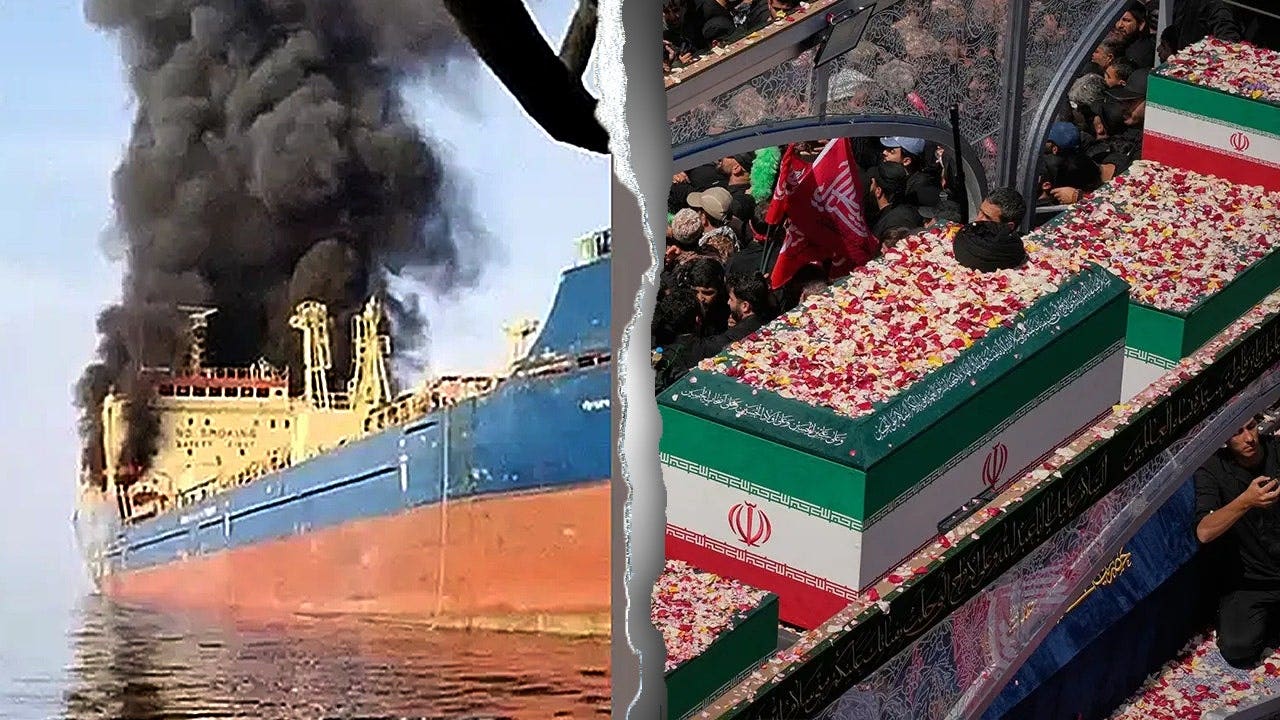
Between Monday and Tuesday, three commercial vessels transiting the Strait of Hormuz were reportedly struck by projectiles or otherwise damaged. British maritime authorities and the UK Maritime Trade Operations (UKMTO) confirmed at least two separate incidents: one near the coast of Oman that caused a fire but no reported fatalities, and another tanker that sustained structural damage with no casualties or environmental impacts initially reported. A U.S. official identified one ship hit as the Qatari LNG carrier Al Rekayyat; Iranian state media acknowledged that attack, saying the ship ignored repeated warnings. A Saudi-flagged tanker, Wedyan, also sustained damage; the cause was unclear. These incidents followed earlier attacks on commercial shipping in the same waterway, including a June 25 drone strike on the Singapore-flagged M/V Ever Lovely that prompted U.S. retaliatory strikes on Iranian military sites. Iran recently warned that tankers using routes not approved by Iranian authorities would face forceful responses. The strikes come days after U.S. President Donald Trump said the U.S. had paused pressure on Iran for a week while Iran observed funeral ceremonies for Supreme Leader Ali Khamenei. The attacks raise questions about violations of a recent ceasefire and a 60-day negotiating memorandum intended to pause hostilities and reopen the strait during talks; commercial transit levels through the strait remain well below pre-conflict averages.
Biblical Reflection
This report documents renewed kinetic actions that threaten civilian commerce and a key global energy route. The immediate facts indicate commercial vessels — not military targets — were struck, heightening risks to neutral mariners, regional stability, and global markets. The article frames the events around diplomatic timing and a fragile ceasefire; readers should note the interplay of strategic signaling, domestic politics, and economic leverage behind such actions. Spiritually and pastorally, the story highlights the human cost when power politics override protections for innocents: shipping crews, coastal communities, and consumers worldwide bear real harm when waterways become battlefields. Christian discernment calls for careful truth-telling about responsibility (not assuming claims without evidence), compassion for those endangered, and a sober critique of rhetoric that trivializes mourning or treats human life as a bargaining chip. At the same time, pursuing justice and accountability for violations is consistent with loving one's neighbor: restraint, protection of noncombatants, and earnest diplomacy align with biblical calls to peace and care for the vulnerable.
Scripture in context
This outlook does not yet include contextual Scripture citations. Do not treat a general biblical theme as an exegetical conclusion.
Faithful Response
No prescribed response is offered. Consider the reflection prompts below in your own church context.
Reflection and Discussion
- 1Whose safety and livelihood are centered in this coverage — military and political actors, or the civilians and crews affected by attacks?
- 2Does the language used (e.g., highlighting a leader's comment) shift focus from the human consequences to political theater?
- 3How should Christians evaluate claims of 'warnings ignored' or 'ceasefire violations'—what evidence is needed before assigning blame or endorsing retaliation?
Sources
Reporting links are evidence inputs; Sanctuary News' biblical reflection is commentary.
This outlook currently relies on fewer than two linked sources. Broaden verification before teaching from it.
- 1.Original reportprimary