News Summary
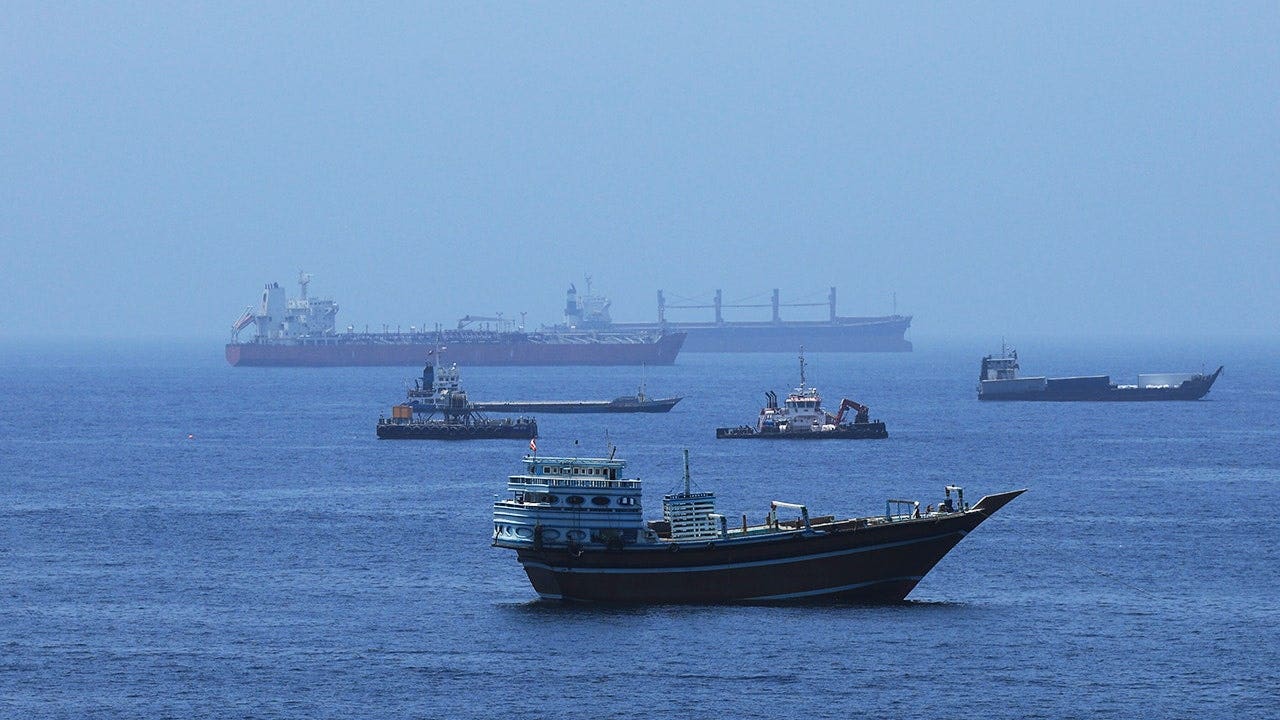
Recent attacks by Iran on commercial shipping in the Strait of Hormuz prompted a short-term spike in oil prices and renewed concern about disruptions to global energy supplies. U.S. officials, including President Trump and Vice President JD Vance, tied the attacks to broader U.S.–Iran negotiations; the president said the U.S.–Iran memorandum of understanding and ceasefire is "over" and warned a naval blockade could be reimposed if attacks continue. The U.S. Energy Information Administration forecasted that global crude production and trade flows will rebound toward pre-conflict levels by year-end, with much previously shut-in production returning in early 2027. Analysts and retired naval officers noted that increased production by OPEC+, Gulf producers restoring output, expanded export infrastructure (Saudi Arabia’s East–West Pipeline, UAE export capacity through Fujairah), and a shift of commercial traffic to southerly routes near Oman reduce reliance on the Strait of Hormuz and may weaken Iran’s ability to use the strait as sustained economic leverage. Still, experts warn Iran can cause short-term market volatility and aims to make shipping commercially riskier. Satellite tracking firms also reported Iranian tankers loading at Kharg Island, underlining Iran’s continued dependence on oil exports even while carrying out attacks elsewhere in the Gulf.
Biblical Reflection
The article frames recent Iranian attacks primarily through the prism of economic leverage and market disruption, accurately noting both Iran’s continued ability to cause short-term price shocks and structural changes that blunt its leverage over time. The piece relies on official U.S. statements and military-analyst commentary, which can emphasize strategic and economic effects while underweighting humanitarian and regional political consequences. Christians should attend to both truth and prudence here: the factual reporting about alternative pipelines and route changes helps demystify claims of absolute vulnerability, but the narrative risks reducing human lives and regional stability to strategic assets and bargaining chips. A gospel-shaped response names the legitimate security concerns, resists triumphalism about another nation’s weakening, and urges careful discernment about escalation — especially actions (like blockades or strikes) that would harm civilians, seafarers, and global populations through higher energy costs. Pray for leaders to pursue measured, just responses that protect the vulnerable, seek de-escalation where possible, and prioritize truthful reporting over partisan framing.
Scripture in context
This outlook does not yet include contextual Scripture citations. Do not treat a general biblical theme as an exegetical conclusion.
Faithful Response
No prescribed response is offered. Consider the reflection prompts below in your own church context.
Reflection and Discussion
- 1Whose priorities are centered in the story — strategic leverage and markets, or the safety and dignity of people directly affected by the attacks and potential escalation?
- 2Does focusing on supply routes and price forecasts risk normalizing military responses as the primary remedy, rather than exhausting diplomatic and humanitarian options first?
- 3Are statements from political leaders being presented as definitive facts, and how might that shape public support for escalation or restraint?
Sources
Reporting links are evidence inputs; Sanctuary News' biblical reflection is commentary.
This outlook currently relies on fewer than two linked sources. Broaden verification before teaching from it.
- 1.Original reportprimary