News Summary
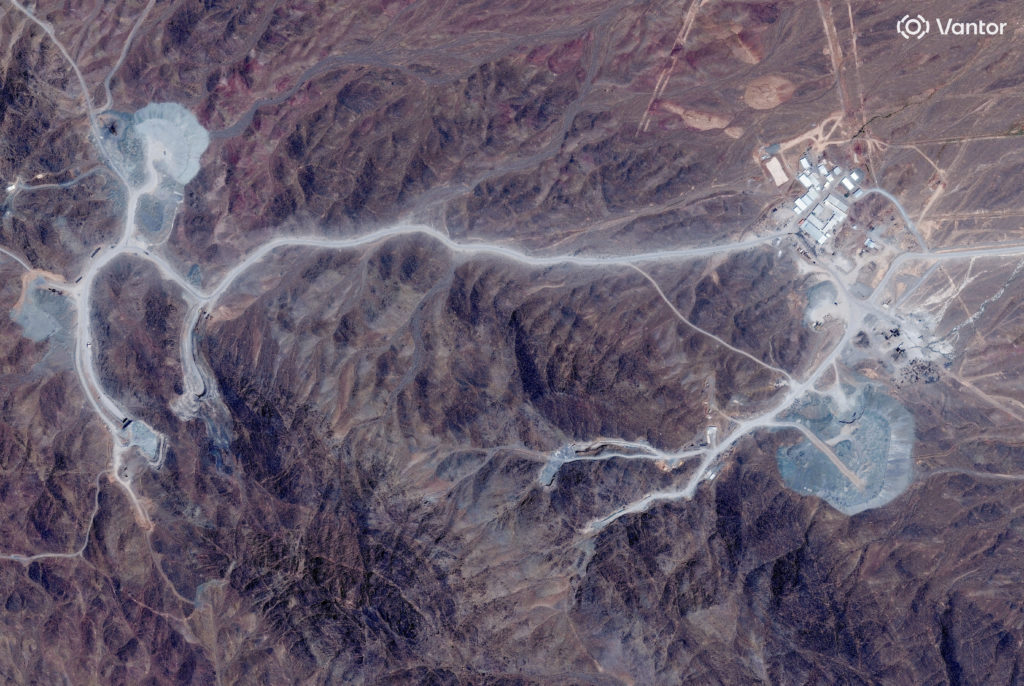
Reported facts: PBS NewsHour reports that President Donald Trump has repeatedly threatened to bomb an under-construction nuclear site reportedly buried under a mountain called Pickaxe Mountain in Iran, and places these threats amid heightened U.S.–Iran tensions linked to actions in the Strait of Hormuz. Attributed claims: The article attributes the threats to President Trump and describes the site as under construction and buried under a mountain; it links the rhetoric to exchanges between the two countries over the Strait of Hormuz. Uncertainty: The article does not independently verify detailed technical facts about the site's construction status, its capabilities, or whether a strike is imminent.
Source and Framing Analysis
The piece focuses on the interaction between a U.S. leader’s public threats and a sensitive Iranian facility; that framing emphasizes risk and escalation. Material uncertainties affecting the story include independent verification of the site's exact nature and status, the intelligence basis for the threats, and whether the language is rhetorical deterrence or a sign of imminent operational planning. Because the supplied reporting is a single source for this summary, readers should note the need for corroborating evidence before treating technical or operational claims as settled.
Biblical Reflection
This report highlights how rhetoric about pre-emptive military strikes can inflame international tensions and raise the risk of violent escalation. Christians are called to test claims against truth, care for vulnerable neighbors, and pursue peace. The article centers a political leader’s threats and a strategically sensitive site; readers should note that the framing privileges conflict language and national security urgency over quieter paths toward verification and de-escalation.
Kellying Christian convictions: seek facts before forming fixed judgments, pray for leaders and civilians on all sides, and advocate for measures that reduce harm. Public threats of violence—even when intended to deter—carry moral weight because they can make violence likelier and increase suffering among civilians. Faithful response blends truth-seeking (asking what is verifiable and what remains uncertain) with mercy (concern for those who will suffer in a strike) and peacemaking (pressing for diplomacy, restraint, and avenues that protect life).
Be alert to missing evidence: reporting names the site and quotes threats but cannot, in itself, fully verify the site’s status, capabilities, or an imminent operational plan. That uncertainty should temper binary believers’ responses—neither reflexive endorsement of force nor unquestioning denial is a Christian posture; instead, prudence, humility, and active care for human life should guide judgment and advocacy.
Scripture in context
- 1Matthew 5:9 — Part of the Sermon on the Mount where Jesus exhorts his followers to embody the ethic of the kingdom; the immediate literary setting contrasts the kingdom's values with common patterns of retaliation and violence. — This passage calls Christians to prize peacemaking even amid threats and national conflict; it challenges believers to favor reconciliation and de-escalation over rhetoric that makes violence more likely.
- 2Proverbs 11:14 (general wisdom tradition) — Proverbs speaks from Israel's wisdom literature about prudent counsel and the value of multiple perspectives for safety and wise decision-making. — When leaders make high-stakes threats, the wisdom tradition encourages seeking broad, sober counsel and reliable information before endorsing actions that endanger many people.
Faithful Response
Pray for leaders, civilians, and those who labor for de-escalation in the region.
Seek reliable, corroborated reporting and encourage congregational patience before endorsing military action.
Support and donate to humanitarian organizations aiding civilians affected by regional tensions.
Engage elected representatives to request transparency, oversight, and diplomatic avenues that reduce harm.
Reflection and Discussion
- 1How should Christian convictions about peacemaking and protecting the vulnerable shape our response to public threats of military force?
- 2What practices of humility and truth-seeking (prayer, listening to experts, verifying facts) can prevent Christians from uncritically echoing rhetoric that escalates violence?
- 3How can the church advocate for policies and leaders that pursue restraint, diplomacy, and protection for civilians in conflict-prone regions?
Sources
Reporting links are evidence inputs; Sanctuary News' biblical reflection is commentary.
This outlook currently relies on fewer than two linked sources. Broaden verification before teaching from it.
- 1.What to know about Iran's Pickaxe Mountain, home to an underground nuclear site threatened by Trumpprimary_reporting