News Summary
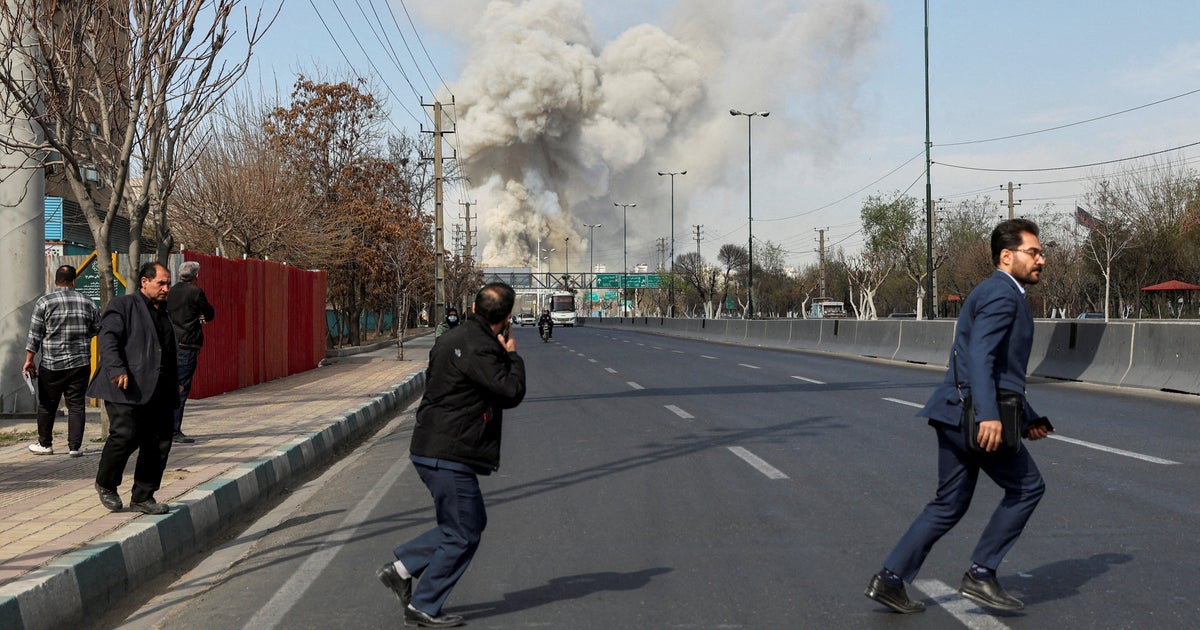
This article provides a detailed account of the escalating conflict between Iran, the United States, and Israel, which has now spilled over into neighboring countries, most notably Azerbaijan and several Gulf states. Amid ongoing missile and drone strikes, Iran denies responsibility for attacks in Azerbaijan, blaming Israel instead. The situation has led to civilian casualties, airport shutdowns, and thousands stranded due to closed airspace. Gulf states are struggling with depleted missile defenses and have requested expedited supplies from the U.S. The conflict has prompted international responses, with the UK and European countries providing military support to allies in the region. Meanwhile, political leaders such as President Trump and UK Prime Minister Keir Starmer are at odds over the handling of the war. The article also covers humanitarian issues, such as stranded civilians, rising casualties (including children), and interrupted travel, while highlighting the region's instability and the complex web of alliances and accusations.
Biblical Reflection
Scripture teaches that war is a tragic sign of humanity’s brokenness, resulting from pride, vengeance, and the inability to seek peace (James 4:1-2). The article depicts a situation driven by cycles of retaliation, blame-shifting, and hardened rhetoric, with little regard for the sanctity of human life or the pursuit of reconciliation. Innocent people—children, civilians, travelers—suffer most in these conflicts, reminding us of Jesus’ call to love our enemies and to be peacemakers (Matthew 5:9, 44). The apparent indifference to civilian suffering, the escalation of violence, and the lack of repentance or humility from leaders stand in stark contrast to biblical virtues such as mercy, justice, and humility before God. While governments have a duty to protect their citizens, the biblical standard insists on truth, restraint, and the pursuit of peace over the perpetuation of violence and political posturing. Christians are called to pray for peace, advocate for the vulnerable, and reject the logic of endless retaliation. The world’s wars will ultimately be healed not by greater force, but by the Prince of Peace (Isaiah 9:6), whose kingdom is built on justice and reconciliation.
Scripture in context
This outlook does not yet include contextual Scripture citations. Do not treat a general biblical theme as an exegetical conclusion.
Faithful Response
No prescribed response is offered. Consider the reflection prompts below in your own church context.
Reflection and Discussion
- 1How am I responding to news of war and violence—in fear, anger, or with a prayerful longing for peace?
- 2What does it look like to be a peacemaker in a world so often dominated by cycles of retaliation and blame?
- 3How can I advocate for or support those who are most vulnerable and affected by conflict, even from afar?
Sources
Reporting links are evidence inputs; Sanctuary News' biblical reflection is commentary.
This outlook currently relies on fewer than two linked sources. Broaden verification before teaching from it.
- 1.Original reportprimary