News Summary
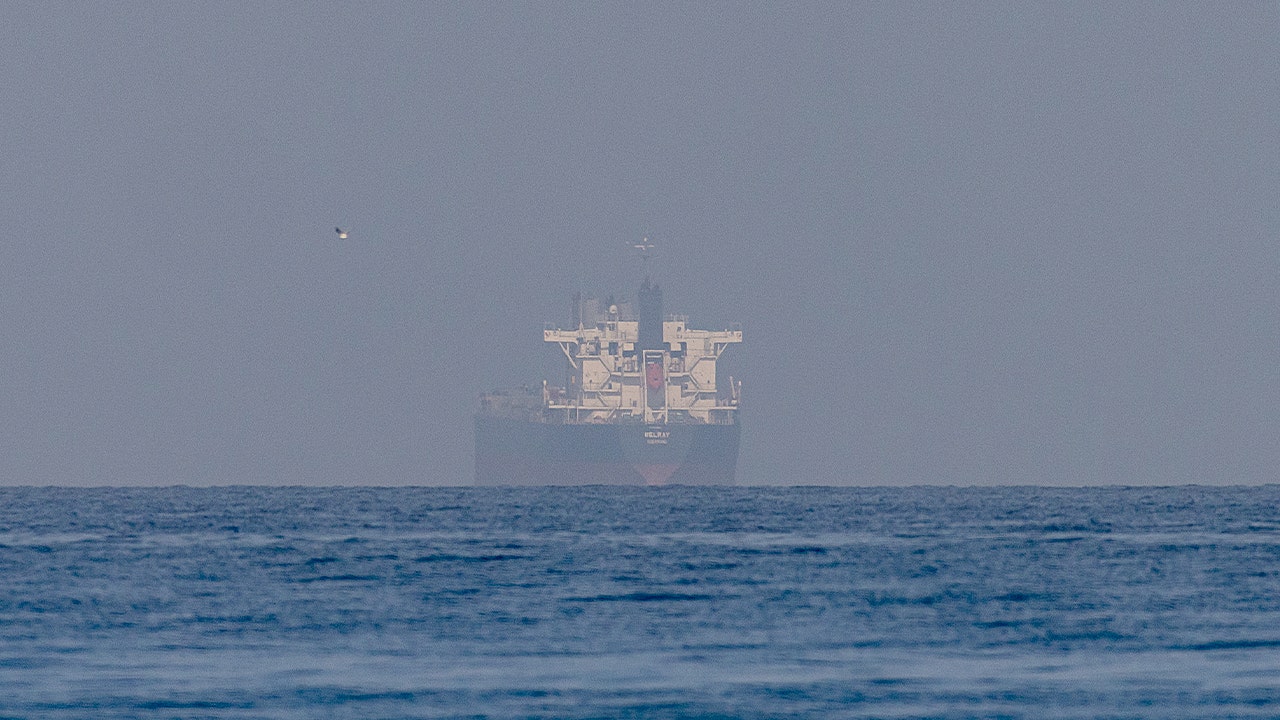
Reports say Iranian officials and media have announced a new practice of charging large transit fees — a reported $2 million in at least one case — for some tankers to pass through the Strait of Hormuz. Iranian MP Alaeddin Boroujerdi described the fees as evidence of a new sovereign approach to controlling the waterway, and Iran's Revolutionary Guard is said to be vetting vessels and offering an approved “safe” passage. Maritime intelligence firm Windward AI described traffic through the strait as "near collapse," with only a small number of AIS-visible crossings recently and Gulf energy export flows declining. The strait normally handles about 20 million barrels of oil per day and roughly 20% of global LNG trade; the reported actions have raised shipping and insurance costs and pushed energy prices higher. Several countries (including China, India, Pakistan, Malaysia and Iraq) are reported to be in talks with Tehran about transit. In response to the disruption, U.S. President Donald Trump warned that the United States could target Iranian power infrastructure if the strait is not fully reopened within 48 hours, escalating the rhetoric and raising the risk of military confrontation.
Biblical Reflection
The story surfaces several moral and spiritual concerns familiar to Scripture: the misuse of power for coercion, the economic harm done to the innocent, the dangers of retaliatory rhetoric, and the summons to seek justice and peace. Extorting payment for passage of commerce — especially when it imperils global food, energy, and livelihoods — bears the marks of oppression and injustice (see Proverbs' condemnations of those who wrong the poor). At the same time, the U.S. threat to "obliterate" infrastructure risks collective punishment that would also harm ordinary civilians and escalate conflict (Jesus' call to love enemies and the apostle Paul's ethic of pursuing peace press Christians to caution against vengeance). Christians should hold two biblical tensions together: a commitment to justice (protecting the vulnerable, opposing extortion and seizure) and a commitment to peaceable means (working for de-escalation, restraint, and the protection of noncombatants). Leaders who govern or influence policy are called to wise stewardship (avoiding prideful boasting or impulsive threats) and to pursue strategies that protect lives and commerce without making people scapegoats. Practically, the Christian response should include careful discernment of facts amid propaganda, prayer for wisdom for negotiators, advocacy for humanitarian safeguards for civilians and seafarers, and refusal to celebrate coercion or warmongering. In short: oppose injustice and coercion, but also resist the temptation to endorse disproportionate violence; pursue solutions that honor God’s commands to do justice, love mercy, and walk humbly.
Scripture in context
This outlook does not yet include contextual Scripture citations. Do not treat a general biblical theme as an exegetical conclusion.
Faithful Response
No prescribed response is offered. Consider the reflection prompts below in your own church context.
Reflection and Discussion
- 1Am I reacting with fear or anger to the headline, or am I praying for wisdom and restraint for leaders on all sides?
- 2How can I pray for and support people harmed by disruptions to global trade (seafarers, workers, consumers) rather than taking comfort in partisan triumph?
- 3In what concrete ways can I advocate for just, nonviolent solutions that protect innocent lives and uphold international norms?
Sources
Reporting links are evidence inputs; Sanctuary News' biblical reflection is commentary.
This outlook currently relies on fewer than two linked sources. Broaden verification before teaching from it.
- 1.Original reportprimary