News Summary
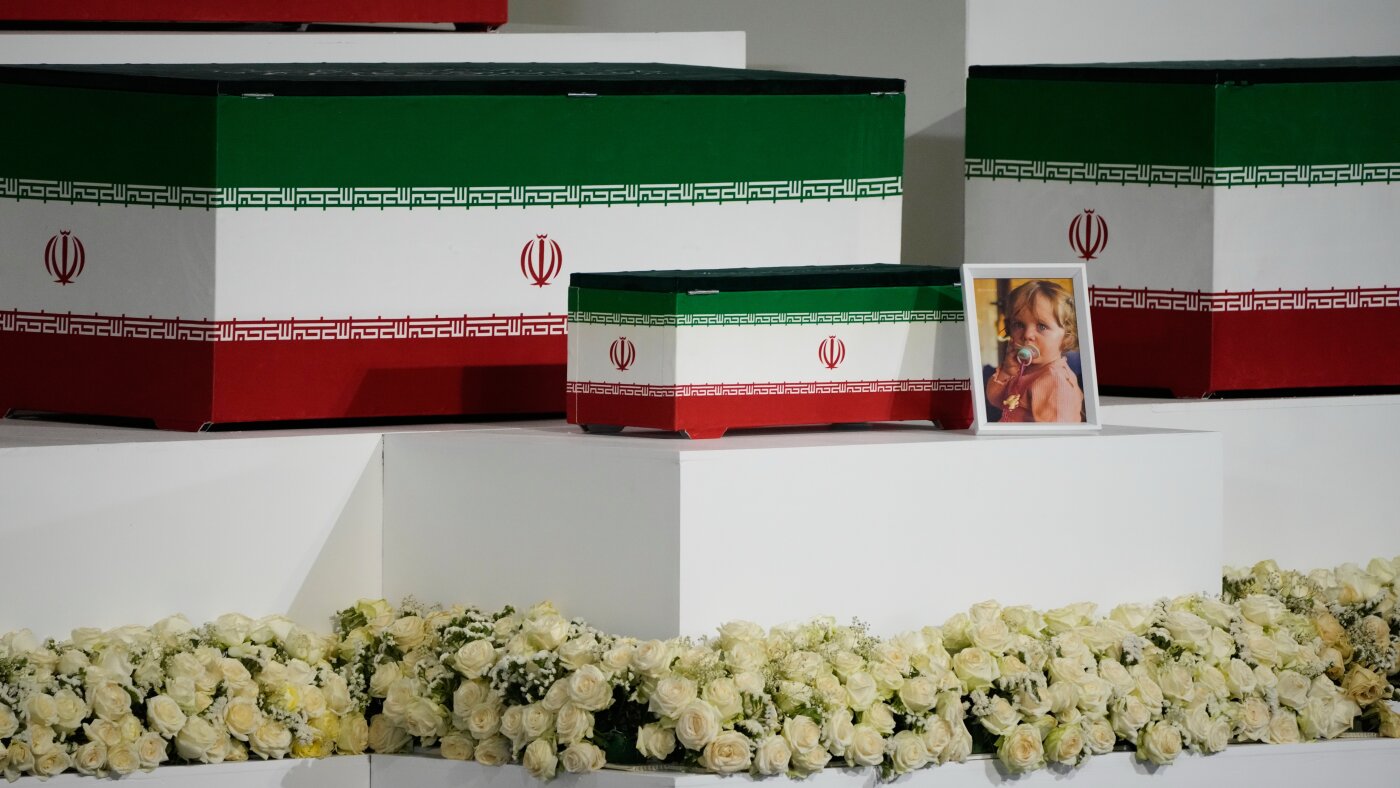
Iran prepared a multi-day public funeral for Supreme Leader Ayatollah Ali Khamenei after his death in a wartime Israeli airstrike that also killed multiple family members. State media showed Khamenei’s flag-draped coffin and other family coffins displayed at Tehran’s Grand Mosalla, and authorities expect large crowds in the capital and processions to cities in Iran and neighboring Iraq. Top Iranian figures, including Revolutionary Guard leaders and civilian officials, attended public viewings; Gen. Ahmad Vahidi, previously out of public view, has reemerged as an influential voice in negotiating with the United States. State imagery included Shiite martyrdom symbols and slogans calling for resistance and vengeance; authorities warned Israel and the U.S. to avoid miscalculations. Officials plan to close streets and airspace in Tehran during the ceremonies. The funeral is being presented by Iranian leaders as both a religious mourning and a show of national unity and resolve amid ongoing war and diplomatic talks.
Biblical Reflection
This article reports a real political and religious event with clear implications for regional stability. The state-orchestrated funeral mixes genuine public mourning with powerful political symbolism intended to consolidate authority and project strength. Biblical pastoral concern calls us to distinguish sorrow for human loss from rhetoric that valorizes revenge. The article largely presents state images and official statements; independent perspectives—especially from ordinary Iranians who may dissent or fear escalation—are underrepresented. Christians should be attentive to how martyrdom language and triumphal symbols can harden hearts toward vengeance rather than repentance and reconciliation. At the same time, grief for the dead and concern for civilians harmed by war are authentic and warrant compassion. Pray for truthful reporting, for restraint by leaders, and for protection of innocent people caught in geopolitical conflict. Seek to advocate and pray for paths toward justice that do not replicate cycles of violence, and remember that faithful discipleship calls for courage to pursue peace, care for the vulnerable, and humility about the limits of state power.
Scripture in context
This outlook does not yet include contextual Scripture citations. Do not treat a general biblical theme as an exegetical conclusion.
Faithful Response
No prescribed response is offered. Consider the reflection prompts below in your own church context.
Reflection and Discussion
- 1How does state use of religious symbols and public mourning shape the public’s willingness to accept further violence or diplomatic compromise?
- 2Whose voices are missing from the coverage—ordinary citizens, critics, or victims—and how would their perspectives change our understanding of the event?
- 3When leaders frame loss as martyrdom, how should Christians weigh calls for justice with the command to seek peace and love neighbors, including enemies?
Sources
Reporting links are evidence inputs; Sanctuary News' biblical reflection is commentary.
This outlook currently relies on fewer than two linked sources. Broaden verification before teaching from it.
- 1.Original reportprimary