News Summary
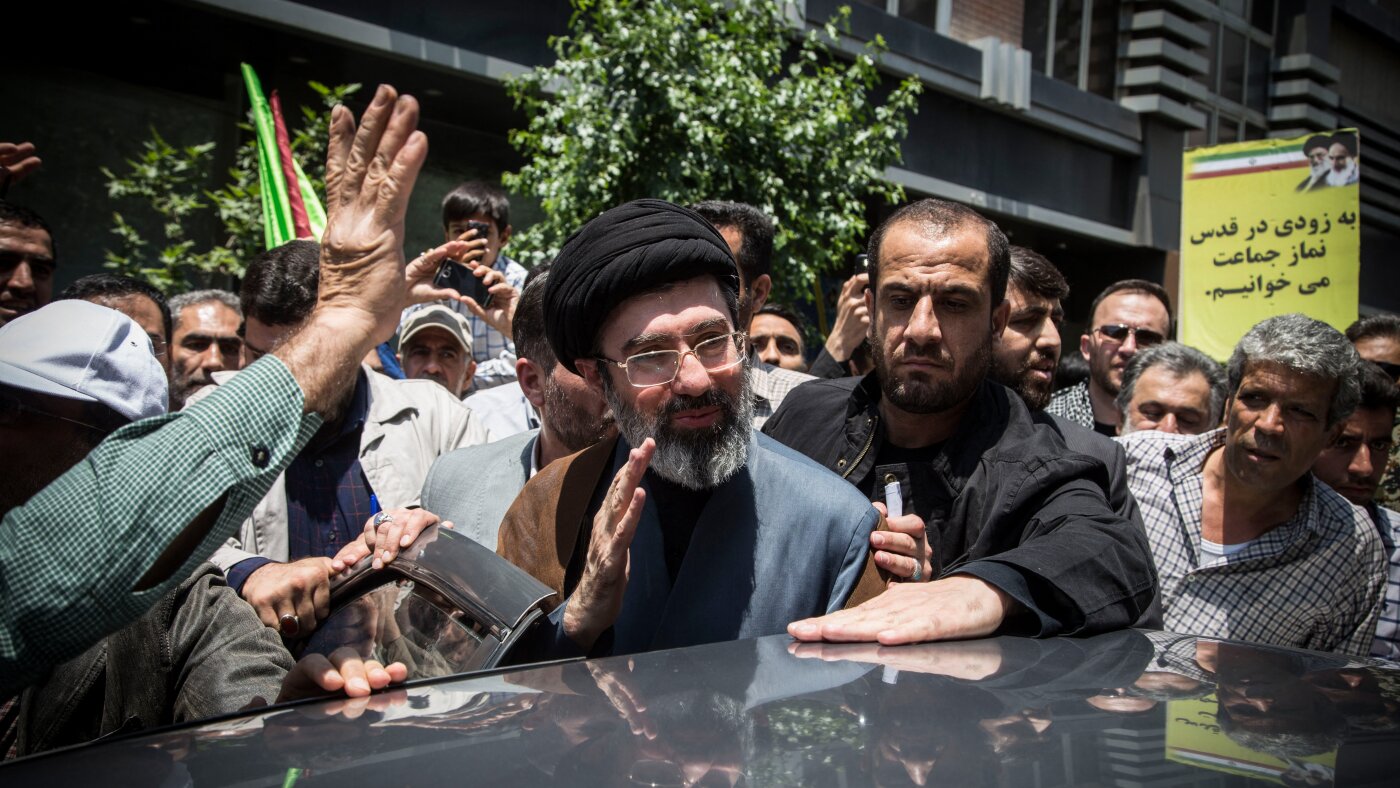
This Up First newsletter covers several news items. Iran has named 56-year-old Mojtaba Khamenei as its new supreme leader after the reported death of Ayatollah Ali Khamenei in the opening airstrikes of the U.S.-Israel war with Iran; the conflict has cost at least seven U.S. service members so far, and both President Trump and Israeli Prime Minister Benjamin Netanyahu have pledged continued strikes. Separately, President Trump said he will refuse to sign any bills until Congress passes the Safeguard American Voter Eligibility (SAVE) Act, a proposed law that would require documentary proof of citizenship and photo ID for voter registration — though noncitizens are already prohibited from voting in federal elections. A senior OpenAI robotics-team member, Caitlin Kalinowski, resigned on principle over OpenAI’s announced partnership to integrate AI systems with secure Department of Defense computing, raising ethical questions in tech about military applications. The newsletter also briefly touches on unrelated items: growing interest in sauna use as a health practice and the recent funeral events for civil rights leader Rev. Jesse Jackson.
Biblical Reflection
Scripturally speaking, this collection of stories raises repeated moral tensions: the exercise of power, the call to justice, the stewardship of technological gifts, and the pursuit of peace. The swift selection of a new supreme leader in Iran — especially along dynastic lines — reminds Christians that earthly leadership can concentrate power quickly and not always in ways that advance justice or human dignity (cf. warnings against tyranny in Proverbs and the prophets). The human cost of war (U.S. service members killed and broader civilian suffering) calls the church to lament and to pursue peace-making (Matthew 5:9), while also advocating for the protection of innocents and humane conduct in conflict (Proverbs 31:8–9-style advocacy for the vulnerable).
On the domestic front, debates over the SAVE Act highlight a biblical balance: God calls nations to uphold truth and just laws (e.g., the call to honest weights and measures in Proverbs), but also to ensure that the vulnerable are not disenfranchised or silenced. Efforts to secure elections can be righteous when they protect the integrity of the common good; they become unwise when motivated by fear, exclusion, or the consolidation of partisan advantage. Christians should ask whether policies promote both truth and access, especially for the poor and marginalized.
The OpenAI–Defense Department partnership and the resignation of an ethics-minded employee pose questions about stewardship and conscience. Technology is a gift that can bless (healing, life-improvement) or harm (weaponization, surveillance). Scripture urges wisdom (James 1:5), and the prophetic tradition calls people of faith to speak up when institutions enable harm. Those in the church who work in tech or government must weigh allegiance to conscience, neighbor-love, and the common good.
Overall, the biblical response is not partisan silence but prayerful engagement: mourn losses, seek peace, advocate for just laws that protect both integrity and access, hold leaders and institutions accountable, and steward technological advances toward human flourishing rather than harming others.
Scripture in context
This outlook does not yet include contextual Scripture citations. Do not treat a general biblical theme as an exegetical conclusion.
Faithful Response
No prescribed response is offered. Consider the reflection prompts below in your own church context.
Reflection and Discussion
- 1Where in these events (war, election policy debates, tech partnerships) do I see opportunities to seek justice and show mercy, rather than simply taking sides?
- 2How should my prayer and public witness balance the biblical call to promote peace with the need to oppose injustice or harm?
- 3If I work in technology, government, or media, what concrete steps can I take to ensure my work advances human dignity and does not enable harm?
Sources
Reporting links are evidence inputs; Sanctuary News' biblical reflection is commentary.
This outlook currently relies on fewer than two linked sources. Broaden verification before teaching from it.
- 1.Original reportprimary