News Summary
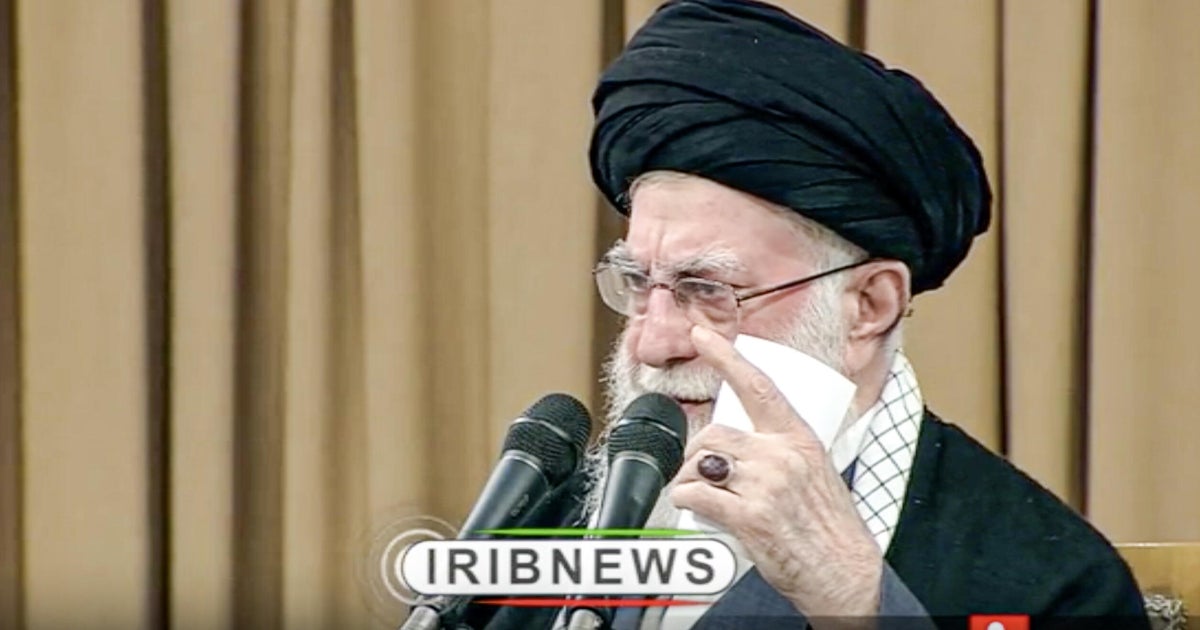
The article reports on a dramatic escalation of anti-government protests across Iran, with thousands of demonstrators taking to the streets in response to a call from exiled Crown Prince Reza Pahlavi. These protests represent the most significant challenge to Iran's hardline Islamic regime in years, resulting in at least 40 deaths and over 2,000 detentions amid widespread communications blackouts. Supreme Leader Ayatollah Ali Khamenei responded defiantly, blaming former U.S. President Trump for inciting unrest and vowing the regime would not back down. Protesters, some calling for the return of the monarchy, faced violent crackdowns. While President Trump warned of severe consequences should the Iranian regime kill protesters, no direct U.S. military intervention was promised. Despite fears of another harsh crackdown, the scale and breadth of the protests, driven by economic hardship and demands for dignity, suggest persistent unrest. Iranian state media accused the U.S. and Israel of fomenting violence, while international observers struggle to verify the extent of the turmoil due to state-imposed communication barriers.
Biblical Reflection
This story is a sobering reminder of the deep longing for freedom, dignity, and justice that resides in every human heart—a longing God Himself instilled in us. The courageous stand of Iranian protesters against oppression echoes the biblical cry for justice (Micah 6:8) and liberty for the oppressed (Isaiah 61:1). Yet, the regime's violent crackdowns and the use of propaganda to silence dissent stand in stark opposition to God's call for truth, compassion, and righteous leadership. Scripture consistently condemns the abuse of power (Isaiah 10:1-2, Amos 5:24) and the shedding of innocent blood, while urging leaders to serve justly and care for the people. At the same time, the temptation to meet violence with violence or to place hope solely in political leaders, whether exiled royalty or foreign presidents, risks overlooking the biblical truth that true and lasting freedom comes from the Lord (John 8:36), and that peace is a fruit of justice and truth, not simply regime change. The suffering of the Iranian people calls for global compassion, intercessory prayer, and advocacy for their voices to be heard. Christians are reminded to pray for those under persecution, to seek peace, and to stand with all who hunger and thirst for righteousness, while rejecting both oppression and the idolization of earthly power.
Scripture in context
This outlook does not yet include contextual Scripture citations. Do not treat a general biblical theme as an exegetical conclusion.
Faithful Response
No prescribed response is offered. Consider the reflection prompts below in your own church context.
Reflection and Discussion
- 1How can I pray for those who are suffering oppression, even in places far from my own?
- 2In what ways do I place my hope in earthly leaders or systems, rather than God's justice and mercy?
- 3How can I act justly and love mercy in response to news of injustice and suffering in the world?
Sources
Reporting links are evidence inputs; Sanctuary News' biblical reflection is commentary.
This outlook currently relies on fewer than two linked sources. Broaden verification before teaching from it.
- 1.Original reportprimary