News Summary
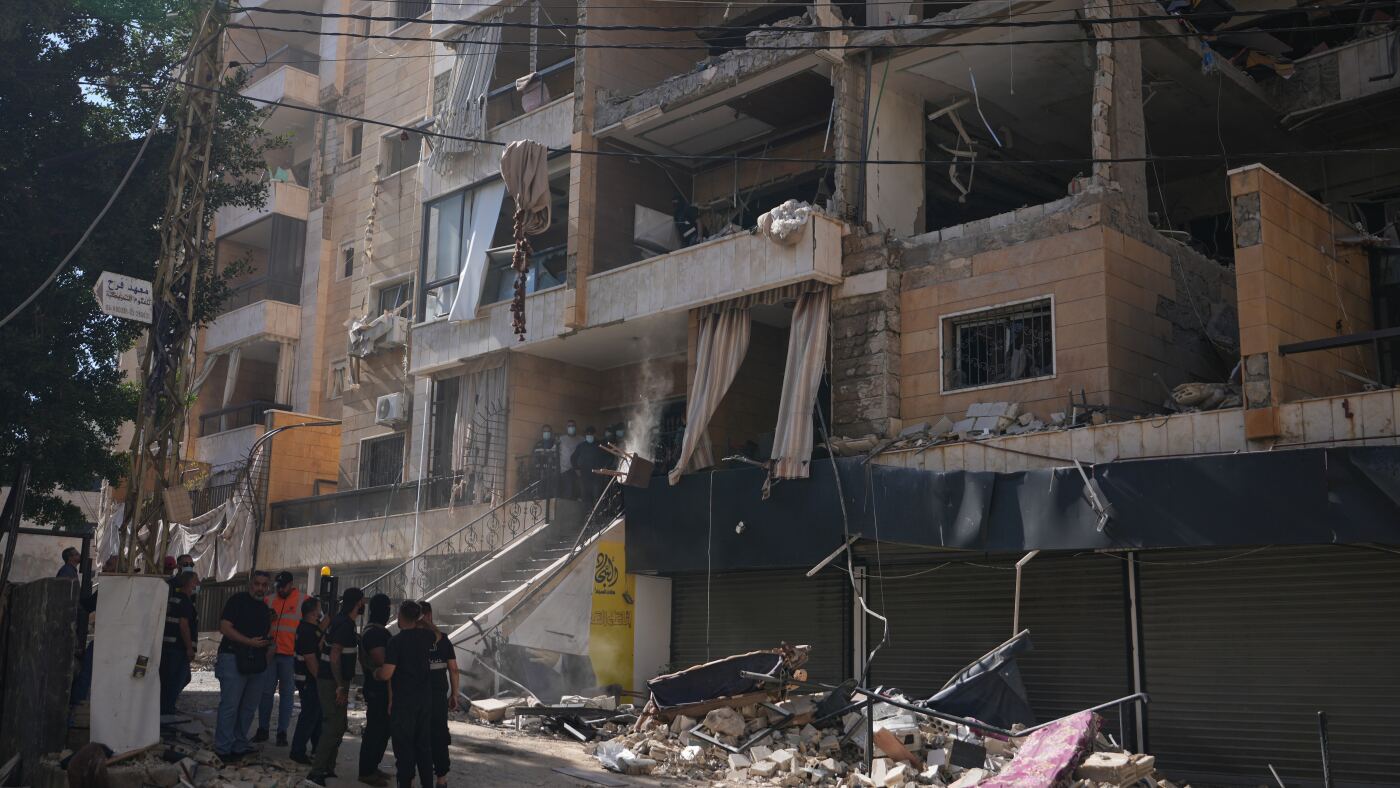
Iran launched missiles toward Israel on Sunday, the first such bombardment since a fragile ceasefire that began in early April. Iran's state broadcaster confirmed the launch and multiple explosions were reported in northern Israel; Israel said it was attempting interceptions and warned its air defenses are not hermetic, with sirens sounding in several areas. The missile launch followed an Israeli strike on Beirut's southern suburbs earlier the same day that Lebanon's health ministry said killed two people and wounded 20; Israel described that strike as retaliation for earlier fire at northern Israel it attributed to Iran-backed Hezbollah. The Beirut strike came after U.S.-hosted talks had produced an agreement between Lebanon and Israel that Hezbollah rejected, complicating mediation. Mediation efforts continued regionally, with Pakistan, Egypt and Qatar engaging Iranian officials; Pakistan's interior minister delivered a message to Iran's supreme leader. The report noted wider regional and economic effects, including Iran asserting control of the Strait of Hormuz and a U.S. blockade of Iranian ports affecting shipments of oil, gas and fertilizer. Statements by Israeli and U.S. leaders about continuing pressure on Hezbollah and targeting options were also reported.
Biblical Reflection
This incident marks a dangerous escalation that undermines fragile ceasefire efforts and threatens wider regional war. The article generally reports verified claims (state broadcaster confirmations, health ministry casualty figures, military statements) but leaves some attribution unclear—Hezbollah had been accused of firing earlier but did not immediately claim responsibility—so readers should note gaps and official postures that may reflect political aims. From a Christian pastoral perspective, the pattern is tragically familiar: military action claiming security goals leads to civilian casualties, which then justify further retaliation in a cycle that resists peacemaking. The competing aims—Israel seeking to neutralize Hezbollah, Iran projecting deterrence and influence, and mediators pursuing broader agreements—reveal a worldview that privileges strategic advantage and national honor over the immediate protection of noncombatants. Christians called to truth and mercy should be cautious of simple narratives that celebrate military success or demonize whole peoples; instead, we should press for verified facts, compassion for civilians on all sides, humility about our own side's claims, and persistent support for genuine negotiation and humanitarian relief.
Scripture in context
This outlook does not yet include contextual Scripture citations. Do not treat a general biblical theme as an exegetical conclusion.
Faithful Response
No prescribed response is offered. Consider the reflection prompts below in your own church context.
Reflection and Discussion
- 1Which voices and facts are absent or unverified in this account, and how might that shape public judgment about who is to blame?
- 2How does the framing of 'retaliation' versus 'attack on civilians' influence our sympathy and policy instincts, and what does that reveal about our own biases?
- 3What pressures—political, electoral, strategic—might be driving each actor away from compromises that would protect civilians and stabilize the region?
Sources
Reporting links are evidence inputs; Sanctuary News' biblical reflection is commentary.
This outlook currently relies on fewer than two linked sources. Broaden verification before teaching from it.
- 1.Original reportprimary