News Summary
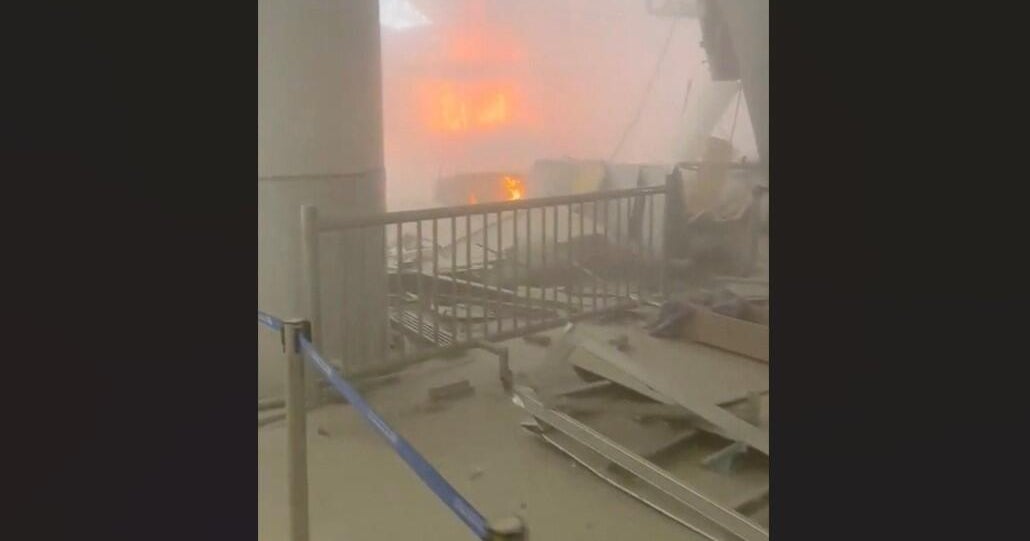
Early on June 3, 2026, Iran launched missiles and attack drones that struck Kuwaiti territory, seriously damaging Terminal 1 of Kuwait International Airport. Kuwait reported one fatality (a resident of Indian nationality) and at least 63 wounded, seven of whom required major urgent surgery; emergency medical teams responded and some airport operations were later resumed after damage assessments. Kuwaiti authorities said their forces engaged and monitored multiple ballistic missiles and about 17 hostile drones, and that interceptions led to falling debris that caused damage and casualties. Iran's Islamic Revolutionary Guard Corps (IRGC) said the strikes targeted U.S. military bases in the region and framed them as retaliation for recent U.S. strikes on Iranian targets, including a U.S. strike Central Command described as hitting an Iranian ground control station on Qeshm Island. U.S. Central Command said it downed multiple drones and missiles and later carried out “self-defense strikes” against Iranian military targets. Kuwait summoned Iran's acting chargé d'affaires, issued a formal protest, and declared two lower-ranking Iranian diplomats persona non grata. Iran and U.S. state-aligned semi-official outlets reported interruptions and disagreements about ongoing indirect negotiations over a ceasefire; President Trump said indirect talks with Iran were continuing and that he hopes to meet Iran's supreme leader. The incident occurred amid broader regional fighting involving Israel and Iranian-backed Hezbollah in Lebanon, influencing diplomatic talks, oil prices (which rose), and market reactions. International actors including Bahrain and Gulf advisors condemned the Iranian attacks, and the UN secretary-general has proposed options for peacekeeping in southern Lebanon as tensions continue.
Biblical Reflection
Through a Christian lens, this story exposes the human cost of strategic retaliation and the moral complexity of state violence. The account includes competing claims from Iran, U.S. Central Command, and Kuwaiti authorities; each party frames actions as defensive or retaliatory. Christians should be cautious about accepting any single narrative at face value and attentive to how political language can obscure civilian suffering. The bombing of an international airport — a civilian hub — and reported injuries to passengers and medical staff highlight the biblical concern for protecting the vulnerable and noncombatants. At the same time, leaders’ rhetoric about meetings, negotiations, and threats points to a worldview that values leverage and security, sometimes at the expense of mercy and transparency. A faithful response includes seeking truth in contested claims, advocating for restraint and protection of civilians, and supporting diplomatic paths that prioritize human life over displays of power. Christians should also resist the dehumanizing logic of reciprocal violence and instead press public and religious leaders to pursue peace, justice, and care for those displaced or harmed.
Scripture in context
This outlook does not yet include contextual Scripture citations. Do not treat a general biblical theme as an exegetical conclusion.
Faithful Response
No prescribed response is offered. Consider the reflection prompts below in your own church context.
Reflection and Discussion
- 1Whose voices are centered in reports about this attack — military and political leaders, or the civilians who were wounded and displaced?
- 2How might claims of retaliation and self-defense be shaping public sympathy, and what evidence should we demand before accepting those claims?
- 3Are calls for strength and security crowding out opportunities for diplomacy that could protect noncombatants and reduce future suffering?
Sources
Reporting links are evidence inputs; Sanctuary News' biblical reflection is commentary.
This outlook currently relies on fewer than two linked sources. Broaden verification before teaching from it.
- 1.Original reportprimary