News Summary
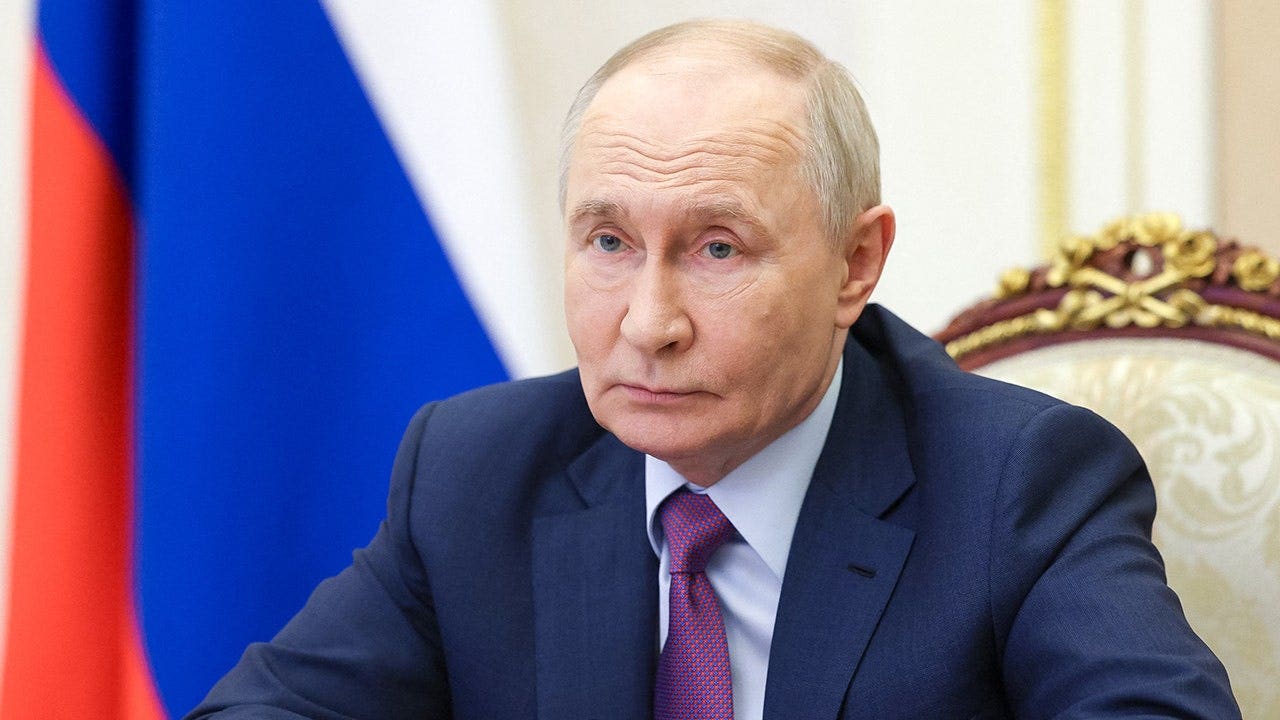
The International Institute for Strategic Studies (IISS) published a report alleging that between August 2024 and February 2026 some 144 suspected drones were recorded near sensitive military and nuclear sites across several European countries (Germany, France, Belgium, the Netherlands, the UK, Denmark) and over U.S. bases in the UK. The report links these sightings to movements of a Russian ‘shadow fleet’ of ships that evade sanctions and could serve as launch platforms, naming vessels such as the Arctica and Boracay in specific incidents. The IISS and retired U.S. military officers characterize the campaign as probing NATO reaction times, seeking vulnerabilities in military and dual‑use infrastructure, disrupting civilian aviation, and imposing psychological and economic costs. Some European airports were temporarily closed in 2025; Sweden directly accused Moscow in one case, while Russia’s president denied involvement. The article notes prior unexplained drone sightings in the U.S. (e.g., Joint Base Langley‑Eustis and Barksdale) and reports that some authorities have concluded many U.S. incidents were hobbyist in origin, but the IISS contends the European pattern is unlikely to be amateur activity.
Biblical Reflection
From a Christian perspective, this report raises urgent moral and practical concerns. If accurate, deliberate probing of military and nuclear sites—plus actions that disrupt civilian aviation and inflame public fear—violates principles of neighbor‑love and the protection of the innocent. At the same time, responsible discernment requires careful attention to evidence: the IISS report links ship positions and drone sightings circumstantially, and official denials and varying domestic investigations show attribution is complex. The article’s framing emphasizes threat and attribution, which can be necessary for public awareness but may also amplify fear or rush judgment. Christians should weigh two responsibilities together: pursue truth patiently (seeking reliable, corroborated evidence rather than taking any single report as definitive) and advocate for prudent protection of civilians and just defensive measures. At the political level, the pattern described—testing limits below thresholds that trigger formal military responses—reveals a worldview that prizes strategic advantage, normalization of low‑level coercion, and psychological pressure. Our pastoral response should resist panic, support measured defense and transparency, call leaders to accountable investigation and diplomacy, and pray for de‑escalation so that communities are kept safe without sliding into disproportionate retaliation.
Scripture in context
This outlook does not yet include contextual Scripture citations. Do not treat a general biblical theme as an exegetical conclusion.
Faithful Response
No prescribed response is offered. Consider the reflection prompts below in your own church context.
Reflection and Discussion
- 1How should Christians weigh circumstantial intelligence reports versus official denials before forming public judgments?
- 2What balance should faithful citizens seek between supporting necessary defenses and resisting fear-driven calls for escalation?
- 3How does the normalization of low‑level coercion (testing defenses, sowing panic) challenge Christian commitments to justice, truth, and care for neighbors?
Sources
Reporting links are evidence inputs; Sanctuary News' biblical reflection is commentary.
This outlook currently relies on fewer than two linked sources. Broaden verification before teaching from it.
- 1.Original reportprimary