News Summary
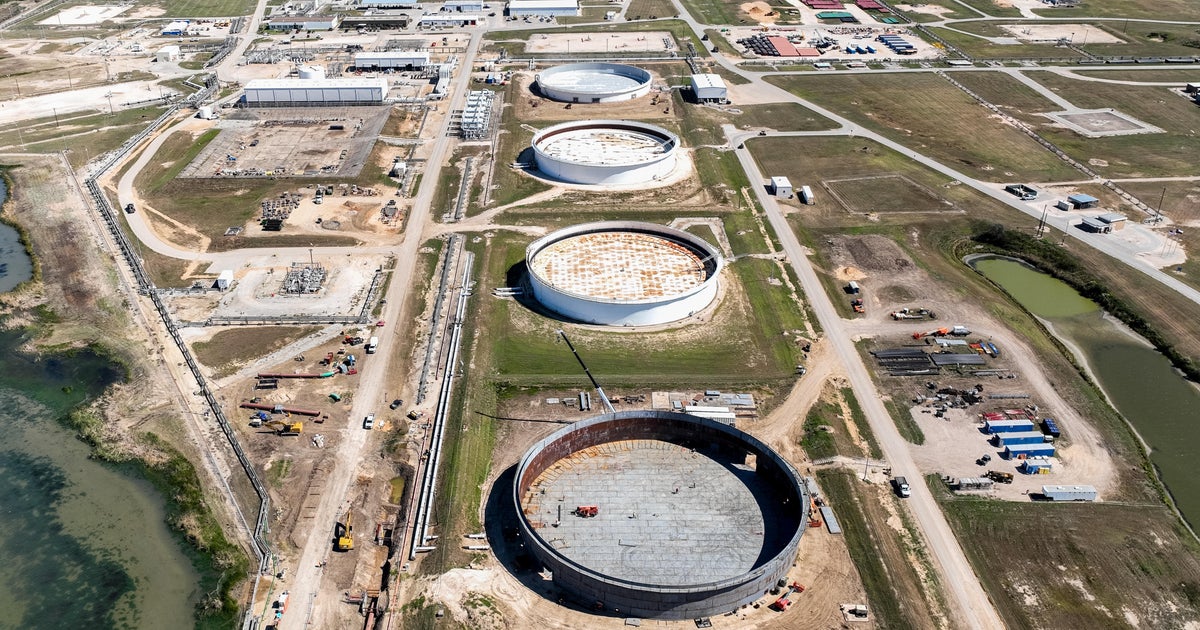
The International Energy Agency (IEA) announced a coordinated release of 400 million barrels of oil from emergency strategic reserves — the largest in its history — to help stabilize energy markets after the Strait of Hormuz became effectively closed amid the Iran War. The move is intended to offset lost supply from the waterway, where roughly one-fifth of global oil normally transits, and to maintain energy security. The IEA, with about 1.2 billion barrels in stockpiles among its 32 member countries, did not provide a precise timetable for when the released oil will reach markets, saying timing will depend on each member's national circumstances. Analysts say the release could lower prices in the short term, but sustained relief depends on how the conflict evolves and whether other major holders of reserves, such as China, also release oil. Global benchmarks had surged earlier in the week; prices eased somewhat following news of the potential release, but market direction remains contingent on the course of the conflict and global storage and shipping constraints.
Biblical Reflection
From a biblical perspective, this action can be seen as an expression of prudence and neighborly concern. Leaders coordinating a release of reserves are using stewardship of common resources to relieve economic strain and reduce the hardship that sharply rising energy costs bring on ordinary people — a practical form of loving one’s neighbor (Luke 10:27). The move also reflects wise governance in times of crisis (Proverbs 21:5), seeking to prevent panic, hoarding, and greater harm.
At the same time, scripture calls us to view such short-term measures in light of deeper moral and spiritual realities. The underlying cause — a war that closes a vital maritime route — points to the wreckage of human sinfulness that produces violence, insecurity, and suffering (James 4:1–2). Temporary market fixes do not address the root evils of conflict, greed, and exploitation. Christians should therefore celebrate efforts that relieve suffering while also pressing for peacemaking, justice, and long-term policies that care for creation and the vulnerable.
There are also ethical cautions: markets and resources can be distorted by hoarding, profiteering, or secretive manipulation; leaders and businesses are called to honesty, transparency, and fairness (Micah 6:8). Finally, this episode highlights the interconnectedness of nations and the call for global solidarity — Christians are to pray for peace-makers, advocate for policies that protect the poor from economic shocks, and steward creation by supporting transitions to more sustainable energy systems that reduce dependence on weapons-affected chokepoints.
Scripture in context
This outlook does not yet include contextual Scripture citations. Do not treat a general biblical theme as an exegetical conclusion.
Faithful Response
No prescribed response is offered. Consider the reflection prompts below in your own church context.
Reflection and Discussion
- 1In what practical ways can I and my church relieve the burdens that rising energy costs impose on neighbors in need?
- 2How does this episode challenge me to pray for and support peacemaking and just leadership on the international stage?
- 3Am I (or are our leaders) stewarding resources with honesty, transparency, and concern for the vulnerable rather than for profit or advantage?
Sources
Reporting links are evidence inputs; Sanctuary News' biblical reflection is commentary.
This outlook currently relies on fewer than two linked sources. Broaden verification before teaching from it.
- 1.Original reportprimary