News Summary
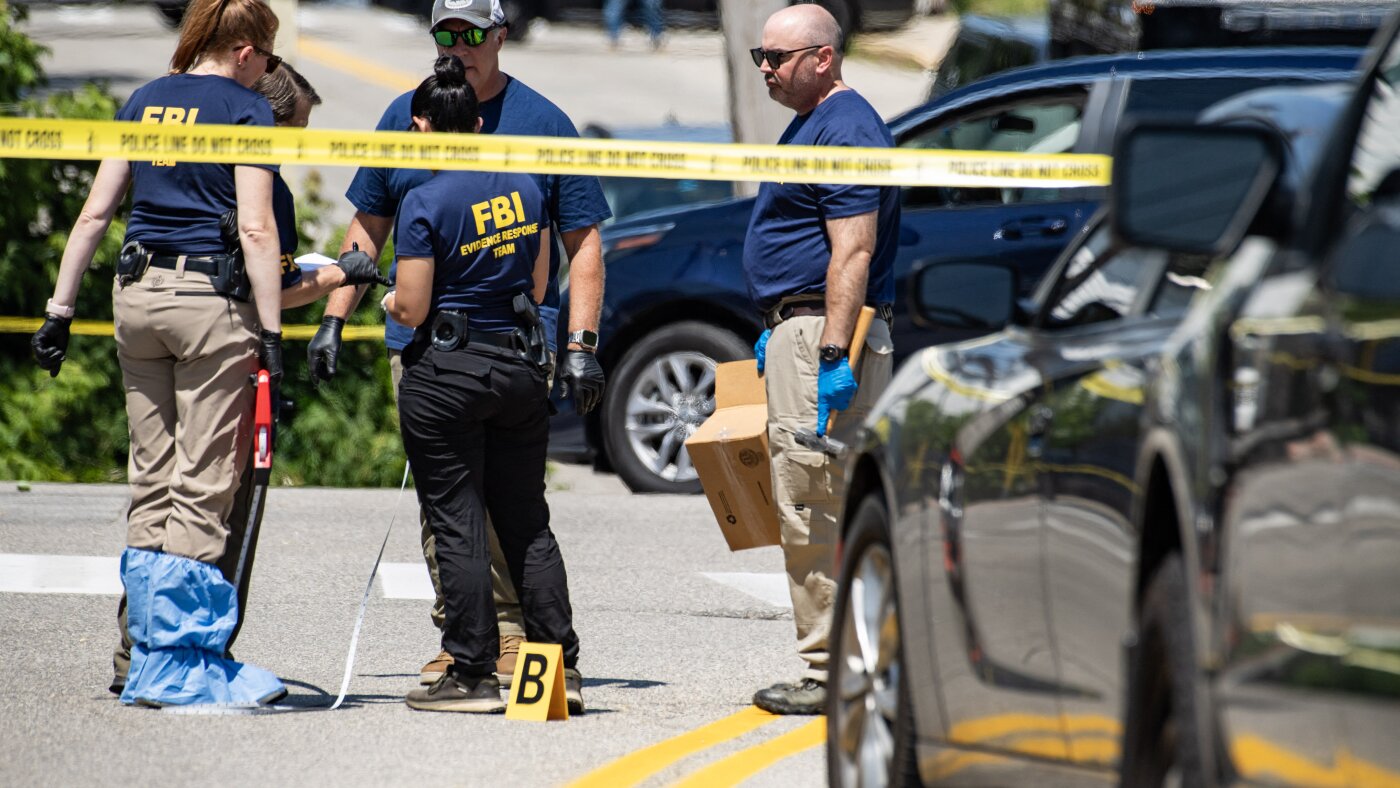
After two fatal shootings by federal immigration agents in less than a week—one in Houston involving Lorenzo Salgado Araujo and one in Biddeford, Maine involving Joan Durán Guerrero—U.S. Immigration and Customs Enforcement (ICE) announced it will pause non-urgent vehicle stops. Maine Senators Angus King and Susan Collins urged DHS to stop such stops; DHS confirmed the policy shift but said it would not disclose operational tactics. In both incidents DHS described the vehicles as threatening or weaponized and said agents fired fearing danger; the agency has not produced video evidence and the agents were not wearing body cameras. Witnesses have disputed some official accounts. Former DHS officials and a former ICE chief counsel described the pause as a reasonable reset to reduce risk while training and protocols are reviewed. DHS blamed delays in rolling out body cameras on Congressional fights and partial government shutdowns, and pledged to deploy body cameras to agents within 60 days. Advocates and accountability groups called for independent investigations and greater transparency to determine whether use-of-force policies were followed.
Biblical Reflection
From a Christian perspective, this story raises core concerns about the protection of life, the need for truth, and the necessity of just and compassionate institutions. The absence of body-camera evidence and the agency’s refusal to disclose operational details make independent truth-seeking difficult, undermining public trust—especially among vulnerable immigrant communities. Christians should hold two complementary convictions: the state must exercise lawful authority to protect the common good, and it must do so with restraint, transparency, and a presumption of human dignity. Institutional defensiveness or opaque practices that shield evidence are contrary to the biblical call to bear honest witness and pursue justice. Likewise, calls to pause risky tactics reflect prudence and concern for preserving life; a temporary restraint with a commitment to independent review and improved training can be an appropriate response. At the same time, we must avoid quick judgments that dehumanize individual agents or those suspected of violating immigration laws. The faithful posture is to demand clarity, accountability, and reforms that prevent loss of life while showing compassion for all involved. Christians can advocate for policies that protect communities, ensure rigorous, independent investigations, and promote reforms—like body cameras and better training—that increase accountability and reduce unnecessary violence.
Scripture in context
This outlook does not yet include contextual Scripture citations. Do not treat a general biblical theme as an exegetical conclusion.
Faithful Response
No prescribed response is offered. Consider the reflection prompts below in your own church context.
Reflection and Discussion
- 1How does the absence of objective evidence (like body‑camera footage) affect our ability to seek truth and pursue justice in cases of lethal force?
- 2Are policy pauses and promises enough, or should independent investigations and clear, enforceable reforms be required before routine tactics resume?
- 3How can Christians advocate simultaneously for public safety, the dignity of migrants, and accountability for state power in ways that resist partisan simplifications?
Sources
Reporting links are evidence inputs; Sanctuary News' biblical reflection is commentary.
This outlook currently relies on fewer than two linked sources. Broaden verification before teaching from it.
- 1.Original reportprimary