News Summary
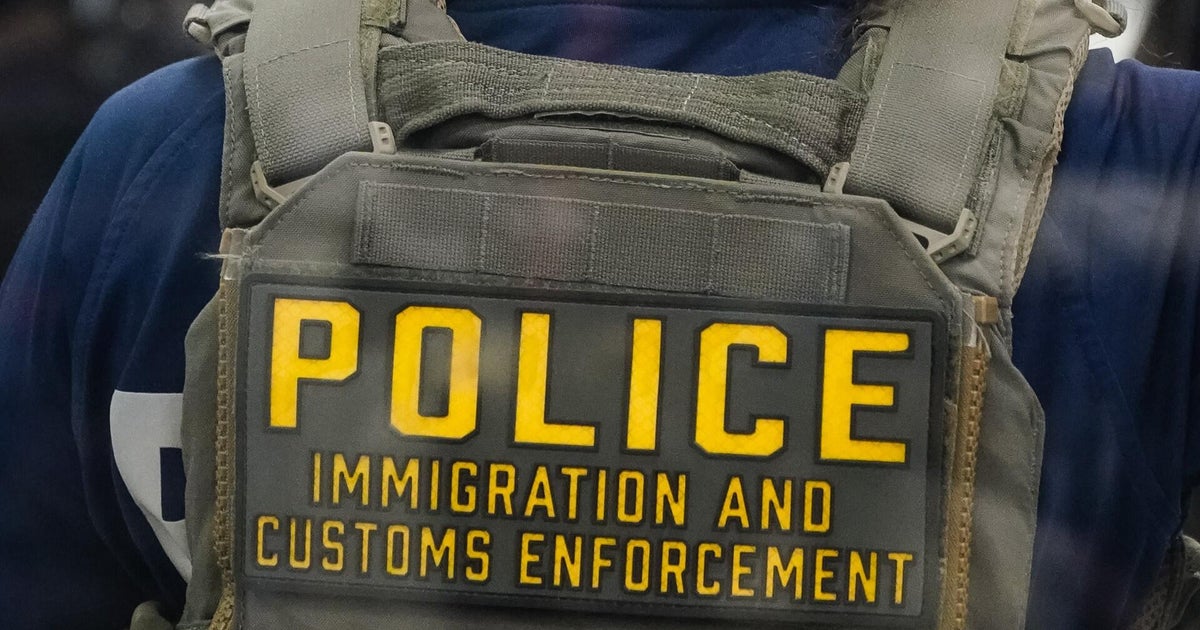
U.S. Immigration and Customs Enforcement (ICE) announced it will extend its core academy training for new immigration enforcement officers from 42 days to roughly 71 days beginning in July at the Federal Law Enforcement Training Center (FLETC) in Georgia. Officers who completed the prior 42-day course will be required to take an additional "Advanced Field Officer Training Program;" the memo does not specify the length or intensity of that supplemental training. The change follows criticism from Democratic lawmakers, advocates, and a whistleblower (former ICE instructor Ryan Schwank) who described the previous training as deficient after the agency adopted a shortened academy during the Trump administration to accelerate hiring. Concerns were amplified after federal agents fatally shot two U.S. citizens, Renee Good and Alex Pretti, during a Minneapolis operation earlier this year. DHS and ICE said the expanded training aims to improve officer safety, operational effectiveness, and compliance with laws and policies; DHS listed added instruction items including crowd control, high-risk vehicle stop training, a live-fire cover course, and medical training, and asserted the move responds in part to increased assaults and violent threats against officers. The shortened course was implemented under then-Homeland Security Secretary Kristi Noem as ICE rapidly onboarded thousands of new agents following a large funding influx; Congress engaged in political disputes over funding and reforms before later authorizing funding through reconciliation and a $70 billion package signed into law.
Biblical Reflection
From a Christian perspective, the change is a responsible step toward greater stewardship of public trust: those who wield state power must be trained to protect life and act lawfully. The article highlights legitimate concerns about rushed onboarding and weak oversight that can lead to avoidable harm; accountability and rigorous, transparent training are necessary to prevent violence and protect vulnerable people. At the same time, official claims about threats to officers and large percentage increases in assaults should be independently verified rather than accepted at face value; the piece reflects pressure from both critics and agency defenders in a partisan context. Christians should press for both compassion toward migrants and respect for public safety—advocating for de-escalation, robust medical and legal training, transparent oversight, and remedies when wrongdoing occurs—rather than reflexive support for either political party. Prayful discernment calls us to demand truth, ensure justice for victims, and pursue reforms that reduce violence while upholding due process.
Scripture in context
This outlook does not yet include contextual Scripture citations. Do not treat a general biblical theme as an exegetical conclusion.
Faithful Response
No prescribed response is offered. Consider the reflection prompts below in your own church context.
Reflection and Discussion
- 1What incentives—political, budgetary, or operational—led to shortening training, and how might those incentives now shape how reforms are implemented?
- 2Which claims in the article (e.g., assault increases, the effectiveness of new training) need independent verification before shaping our judgment?
- 3Does the reporting balance concern for officer safety with the rights and safety of civilians, and what would a measured, biblically-informed standard of accountability look like here?
Sources
Reporting links are evidence inputs; Sanctuary News' biblical reflection is commentary.
This outlook currently relies on fewer than two linked sources. Broaden verification before teaching from it.
- 1.Original reportprimary