News Summary
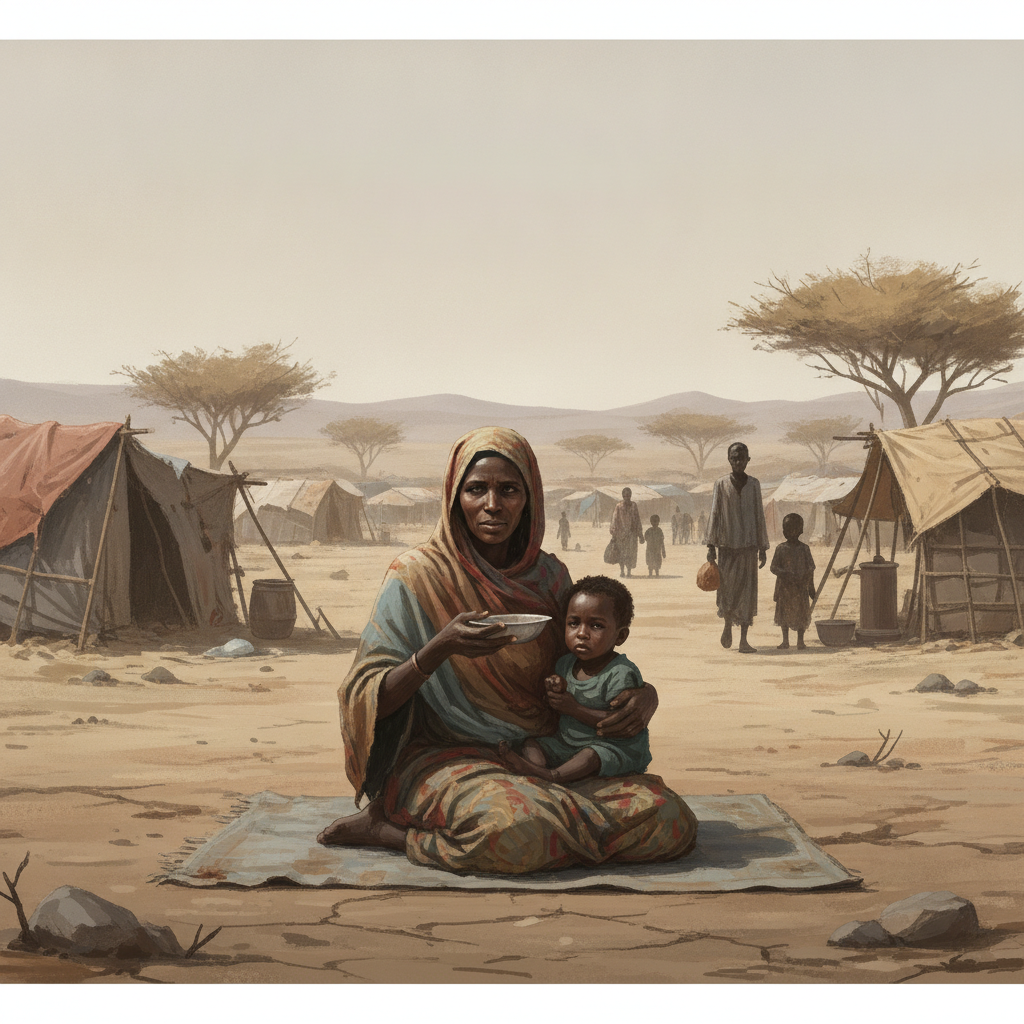
Reported facts: UN News reports UN humanitarian personnel saying that more than 100,000 displaced people are sheltering in camps in El Obeid and that needs are rapidly growing, with hunger deepening among displaced families. Attributed claims: the assessment and the numeric total are presented as the UN humanitarian community's observations. Uncertainty: the article does not provide independent verification, breakdowns of needs, mortality or malnutrition rates, access constraints, or statements from displaced people, local authorities, or other independent agencies.
Source and Framing Analysis
Source role: the story is based on reporting from UN News relaying statements by UN humanitarian staff; the UN operates as both responder and spokesperson for humanitarian needs. Missing voices: displaced people themselves, local health and municipal officials, Sudanese national authorities, and independent medical or food-security assessments are absent. Incentives and framing: UN communications aim to highlight urgent needs to mobilize humanitarian response and donor attention; this framing emphasizes urgent suffering but may not detail political or security impediments to aid. What needs verification: the >100,000 figure, severity metrics (malnutrition, deaths), causes of the worsening hunger, access constraints for relief agencies, and any pledges or logistical plans to respond.
Biblical Reflection
The article centers human vulnerability and urgent need, calling Christians to compassionate response and measured advocacy. It communicates an immediate humanitarian reality (displacement and hunger) without detailing causes, response capacity, or local perspectives. Viewed through a Christian lens, the core message aligns with gospel calls to feed the hungry and care for strangers; at the same time readers should notice the limited frame — a humanitarian assessment — which can underemphasize political causes, local agency, and potential barriers to aid. Christians should respond with mercy and humility: pray, give through vetted relief channels, support efforts that protect civilians and restore peace, and seek fuller information so advocacy is responsible and accurate.
Scripture in context
- 1Matthew 25:31-46 — In Matthew's Gospel, Jesus speaks of final judgment where the righteous are commended for feeding the hungry, clothing the naked, welcoming strangers, and visiting the sick and imprisoned — acts that identify Christ with the vulnerable. The passage places social mercy at the heart of discipleship and communal accountability. — This passage challenges Christians to see humanitarian crises as not merely political or charitable issues but as arenas where faith is enacted: feeding and sheltering displaced people is a concrete expression of loving God by loving neighbors in need.
Faithful Response
Pray specifically for displaced families, local aid workers, and those making humanitarian access decisions.
Give to reputable organizations already operating in Sudan or neighboring countries with clear monitoring and accountability.
Educate yourself and your congregation about the situation before amplifying calls to action; avoid sharing unverified numbers or politicized narratives.
Encourage local advocacy for humane refugee policies and support for diplomatic efforts to reduce violence and protect civilians.
Reflection and Discussion
- 1Which additional local or independent sources would you seek to corroborate the UN's assessment, and why?
- 2How might the omission of displaced people's voices change the ethical urgency or type of response we pursue?
- 3In what ways can our desire to help be shaped by both mercy and prudence so that aid reaches those most affected?
Sources
Reporting links are evidence inputs; Sanctuary News' biblical reflection is commentary.
This outlook currently relies on fewer than two linked sources. Broaden verification before teaching from it.
- 1.Hunger deepens for displaced families in Sudan’s El Obeidofficial_document