News Summary
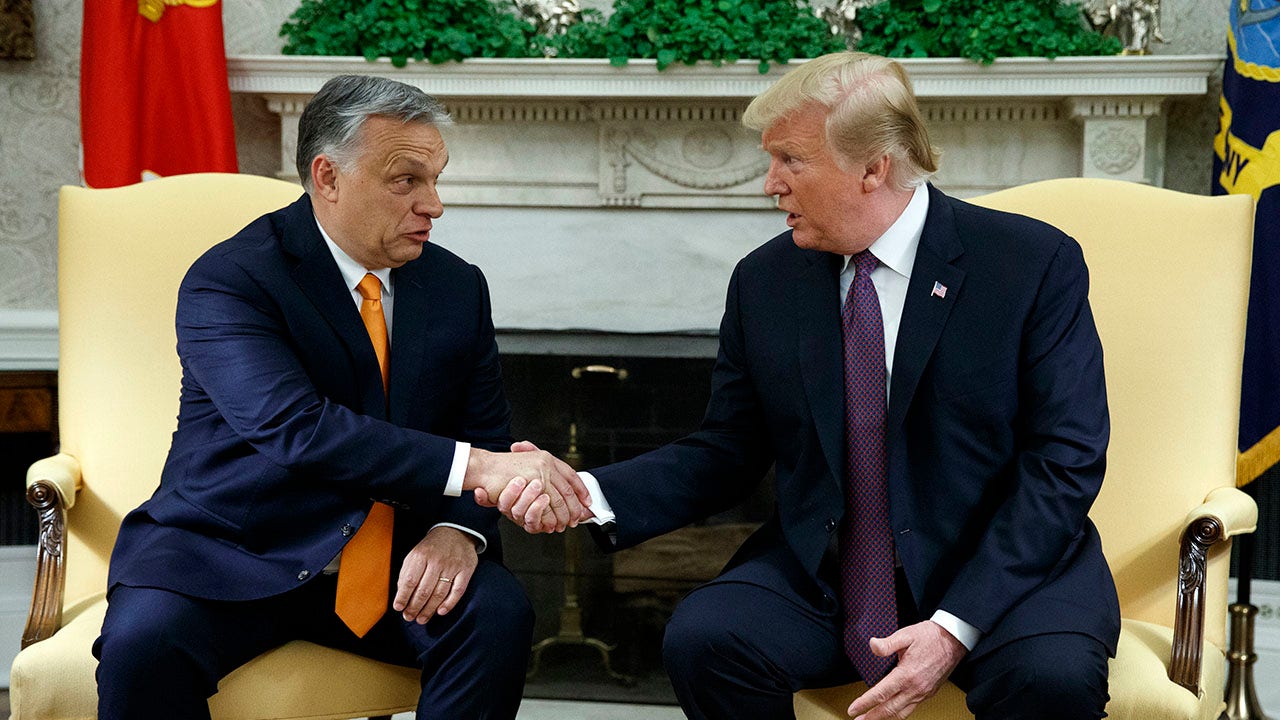
Hungary held a high-turnout parliamentary election in which incumbent Prime Minister Viktor Orbán, who has led the country since 2010, faced a strong challenge from opposition leader Péter Magyar. Polling cited in the article showed Magyar’s Tisza party leading Orbán’s Fidesz party (about 50% to 39% as of April 9). U.S. conservative figures, including Senator JD Vance, visited Hungary to publicly support Orbán; former President Donald Trump also posted statements of support and offered possible economic assistance under an Orbán government. Coverage highlighted issues shaping the race: allegations of corruption and democratic backsliding under Orbán, his strained relations with the EU over migration and blocking EU funds, his government's stance on Russia’s war in Ukraine and ties toward Moscow, Hungary’s support for Israel, and economic indicators such as GDP per capita growth since 2014 alongside recent inflation and weak business sentiment. Results were expected later the same day as voting. The report referenced potential consequences for frozen EU funds and broader geopolitical implications depending on the outcome.
Biblical Reflection
From a Christian perspective, the article points to several spiritual and ethical concerns worth discerning. First, elections and national sovereignty are rightly serious matters; Scripture calls God sovereign over the hearts of rulers. At the same time, political messaging and foreign endorsements (including high-profile visits and promises of economic aid) can shape narratives in ways that prioritize geopolitical advantage, security, or economic gain over questions of justice, transparency, and the common good. The reporting emphasizes pragmatic arguments for Orbán — stability, growth, border control, and strategic alignment — while also noting accusations of corruption and democratic erosion. Christians should be cautious about uncritical allegiance to leaders who are praised mainly for perceived pragmatic benefits, because moral character, accountability, and the protection of vulnerable people are also biblical priorities (Micah 6:8; Isaiah 1:17).
Media framing here leans on geopolitical stakes and partisan endorsements; readers should notice which facts are emphasized (polls, US support, economic metrics) and which are summarized more briefly (specific corruption allegations, details of institutional abuses). That selection can reveal underlying priorities: security and realpolitik vs. rule of law and human dignity. Practically, Christians are called to pray for leaders and to seek justice and truth (1 Timothy 2:1–2; Proverbs 31:8–9). We should avoid idolizing any political actor, test claims against observable facts, and advocate for structures that restrain abuse of power while promoting peace and the flourishing of neighbors.
Scripture in context
This outlook does not yet include contextual Scripture citations. Do not treat a general biblical theme as an exegetical conclusion.
Faithful Response
No prescribed response is offered. Consider the reflection prompts below in your own church context.
Reflection and Discussion
- 1Which motives does the article emphasize (security, economy, foreign alliances), and what important moral concerns might be underreported as a result?
- 2How should Christians weigh public endorsements and geopolitical support for a leader against evidence of democratic backsliding or corrupt practices?
- 3Are we tempted to equate national prosperity or stability with moral rightness in leaders, and how does Scripture reframe that temptation?
Sources
Reporting links are evidence inputs; Sanctuary News' biblical reflection is commentary.
This outlook currently relies on fewer than two linked sources. Broaden verification before teaching from it.
- 1.Original reportprimary