News Summary
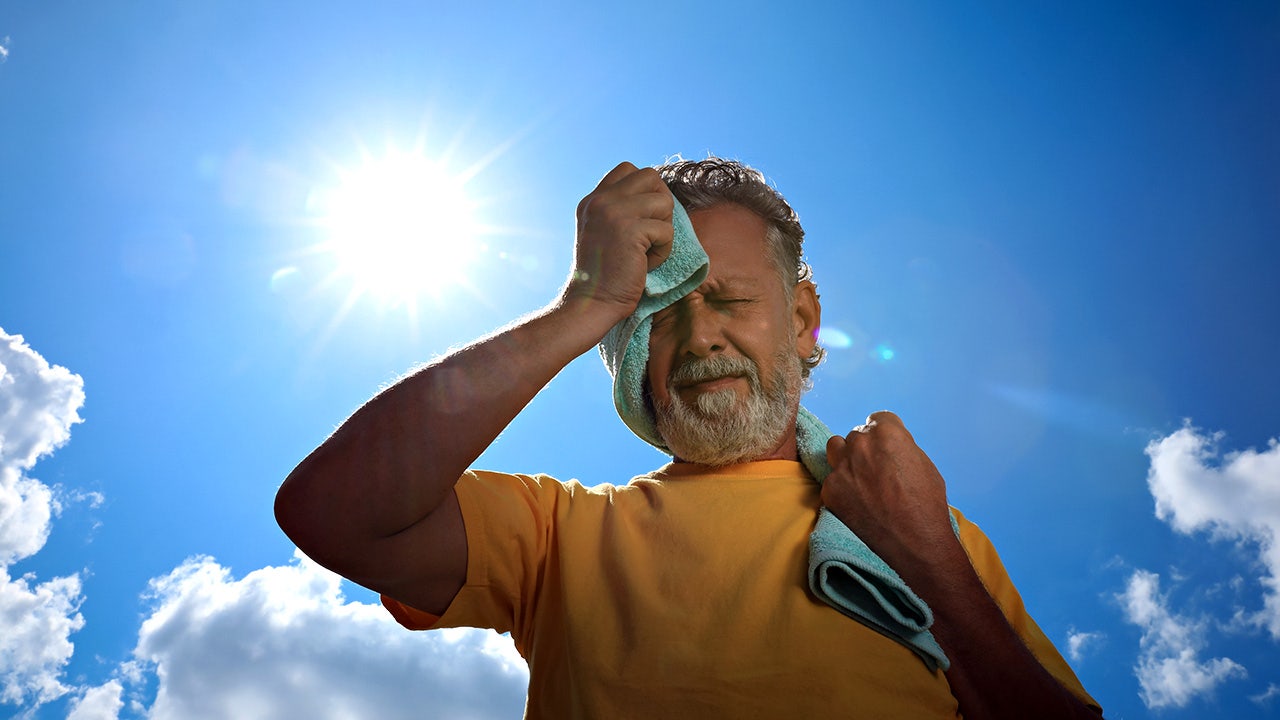
Fox News medical contributor Dr. Janette Nesheiwat discussed recognizing and preventing heat-related illness on the program Your World. The piece explains differences between heat exhaustion and heatstroke, noting that a change in mental state (confusion or disorientation) is a key sign of heatstroke and warrants calling 911. It emphasizes that humidity makes cooling by sweat less effective, that people should hydrate and eat (including salty foods and protein) before outdoor activity, and that many people begin activities slightly dehydrated. Immediate cooling measures recommended include resting in shade, applying cold wet cloths to head and neck, removing excess clothing, and applying ice to armpits, neck, and groin if available. The article stresses not to “tough it out,” warns that heat can affect anyone regardless of fitness level, and urges alerting companions and seeking medical help when symptoms appear.
Biblical Reflection
This article offers practical, life-preserving advice consistent with mainstream public-health guidance: it affirms the value of truth (clear signs to watch for) and mercy (taking prompt action to help someone in distress). Its worldview is one of personal responsibility combined with communal care — prepare well, watch one another, and call for help when needed. Note the piece is a media health segment and grounded largely in clinical common sense and clinician experience rather than peer-reviewed study citations; readers should cross-check specifics with public-health authorities (for example, CDC or local health departments). Pastoral concerns include resisting pride and self-reliance that endanger the body God has entrusted to us, and remembering to protect the most vulnerable (elderly, children, those with chronic conditions). The advice encourages humility (stop when your body signals danger) and neighbor-love (assist and seek help for those showing symptoms).
Scripture in context
This outlook does not yet include contextual Scripture citations. Do not treat a general biblical theme as an exegetical conclusion.
Faithful Response
No prescribed response is offered. Consider the reflection prompts below in your own church context.
Reflection and Discussion
- 1Does the article encourage responsible preparation and communal care, or does it emphasize rugged individualism that might cause people to ignore danger?
- 2Are the recommended actions presented as definitive medical guidance or as common-sense steps to be verified with health authorities when needed?
- 3Who in your community is most vulnerable to heat-related illness, and how might congregations or neighbors proactively help protect them?
Sources
Reporting links are evidence inputs; Sanctuary News' biblical reflection is commentary.
This outlook currently relies on fewer than two linked sources. Broaden verification before teaching from it.
- 1.Original reportprimary