News Summary
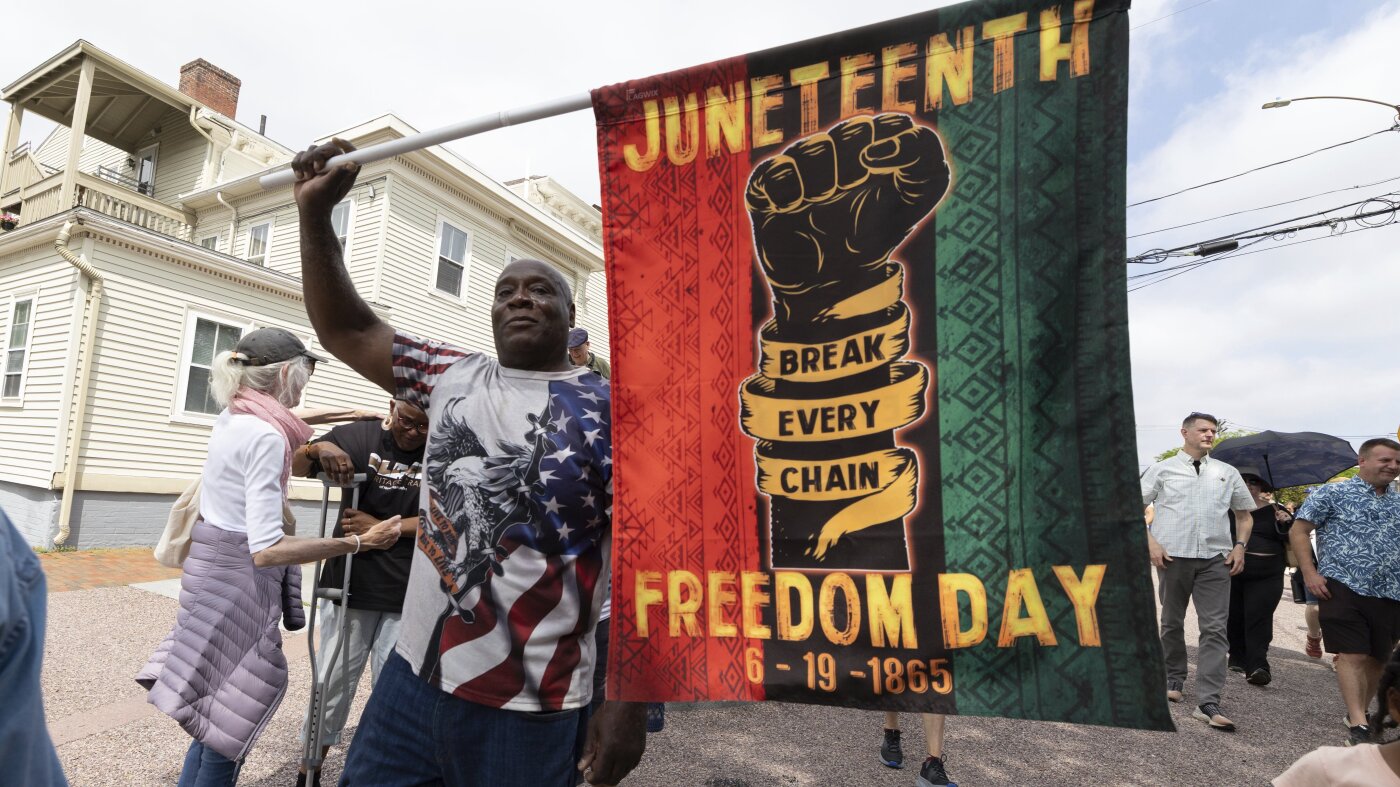
Union troops arrived in Galveston, Texas, on June 19, 1865, to enforce the Emancipation Proclamation; that date is now commemorated as Juneteenth. The Emancipation Proclamation’s final version was issued Jan. 1, 1863, after a preliminary proclamation on Sept. 22, 1862. News of emancipation, however, had circulated in the South before federal troops reached Galveston: enslaved people learned through rumors, informal networks, Black newspapers, church groups, and even conversations among slaveholders. Border slaveholding states that remained in the Union (Delaware, Maryland, Kentucky, Missouri, West Virginia) were exempted from the proclamation, producing frustration among those enslaved there; three border states abolished slavery before the war’s end, while others waited until the 13th Amendment in Dec. 1865. Enslaved people often fled toward Union lines as the war progressed, and Union soldiers carried and distributed copies of the proclamation as they advanced, making the legal change tangible in occupied areas. Juneteenth endures as a commemoration of the moment when legal freedom was enforced in Texas, even though many enslaved people had learned of the proclamation earlier through various channels.
Biblical Reflection
This article presents a sober historical account that centers both the legal act of emancipation and the lived reality of how news and freedom actually reached people. Its emphasis on networks of communication among Black communities, along with the role of Union soldiers, rightly highlights the agency of the enslaved and the complexity of how freedom was realized. From a Christian pastoral perspective, the piece invites gratitude for liberation and sober reflection on the long, painful gap between declaring justice and living it out. The article largely aligns with historical truth, though popular retellings can sometimes over-emphasize proclamations or federal action at the expense of grassroots resistance and the moral culpability of those who upheld slavery. Christians should receive the story as a call to truthful remembrance, communal repentance where injustice was tolerated or benefited us, and renewed commitment to neighbor-love that resists systems of oppression. Theological themes here include the dignity of every person made in God’s image, the prophetic demand for justice, the need for courageous truth-telling, and the practice of mercy toward those harmed by historical and ongoing racial injustice.
Scripture in context
This outlook does not yet include contextual Scripture citations. Do not treat a general biblical theme as an exegetical conclusion.
Faithful Response
No prescribed response is offered. Consider the reflection prompts below in your own church context.
Reflection and Discussion
- 1Does describing emancipation mainly as a federal/legal event risk minimizing the visible and invisible resistance and agency of Black people who pursued their own freedom?
- 2What does the delay between proclamation and enforcement reveal about the gap between law and lived justice, and how should that shape our trust in institutions today?
- 3How should Christians balance gratitude for historical progress with sober repentance and active pursuit of justice where inequalities persist?
Sources
Reporting links are evidence inputs; Sanctuary News' biblical reflection is commentary.
This outlook currently relies on fewer than two linked sources. Broaden verification before teaching from it.
- 1.Original reportprimary