News Summary
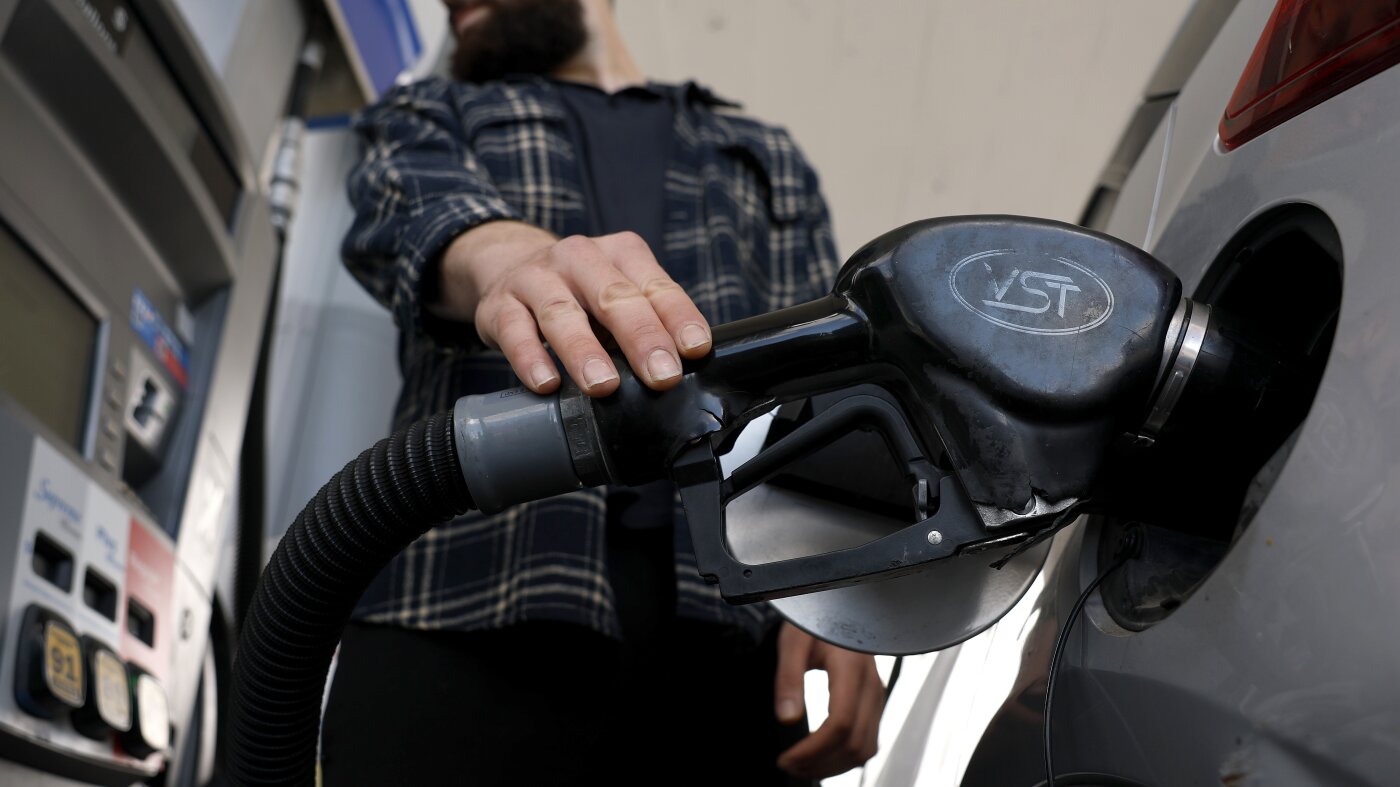
The national average price for a gallon of gasoline was $4.55 (AAA), reaching a four-year high as the U.S. approached a busy holiday travel weekend; AAA estimated a record 45 million Americans would travel. Prices rose amid recent tensions in the Middle East and the war in Iran, with California averages exceeding $6 per gallon. In California, Governor Gavin Newsom and Chevron exchanged public messages: Chevron placed placards blaming state policies for high prices, while Newsom urged drivers to avoid Chevron and pointed to cheaper unbranded stations. Chevron moved its headquarters out of California in 2024 and is buying oil shipped through an offshore pipeline the state has attempted to keep closed. Data from analytics firm Arity show Americans drove more miles after the war began. The article presents practical ways to reduce fuel costs—smoother driving, proper tire inflation, removing excess weight and roof racks, and using regular rather than premium fuel when premium is only recommended. It summarizes mixed market data on electric vehicles: new-EV sales have softened after the end of a $7,500 federal consumer tax credit, used-EV sales show mixed signals, and consumer interest may precede actual purchases. Advocacy group Coltura and others estimate sizable annual savings for frequent drivers who switch to EVs, but savings vary by driving miles, local gasoline and electricity prices, insurance and installation costs for home charging. A Yale Climate Connections comparison showed wide regional variation in cost-per-mile for EV charging versus gasoline. The article also notes that public transit ridership remained steady or slightly declined in March, while some individuals are adopting e-bikes or changing lifestyle choices (for example, living full-time in an RV) to manage fuel costs. The piece mixes data, expert commentary, advocacy viewpoints, and personal anecdotes to outline options for saving on fuel.
Biblical Reflection
From a Christian perspective, this article largely serves practical needs—helping households steward limited resources amid rising costs. Its dominant frame is consumer choice: drive more efficiently, compare costs, consider switching vehicle types, or pursue alternatives like biking or public transit. That practical focus aligns with biblical concerns about wise stewardship and prudence. However, the piece also mixes different kinds of claims—economic data, policy conflict (Newsom vs. Chevron), advocacy statements (from groups like Coltura), and personal anecdotes—without always making the limits or assumptions of each clear. Readers should note: (1) geopolitical and market causes of price changes are complex; citing the war in Iran as a main cause is plausible but simplifies many supply, refining, and policy influences; (2) savings estimates for EVs and other options depend heavily on local energy prices, driving patterns, insurance and installation costs, and incentives; treating one figure as universal can be misleading; and (3) the political exchange between state officials and oil companies introduces partisan signaling that may aim more at voters than at solving immediate consumer pain. Spiritually, the article invites Christians to practice responsible stewardship (careful budgeting, long-term planning) and neighbor love (considering communal implications of transport choices, e.g., transit support, road safety, and environmental impacts). It also calls for discernment: weigh expert claims against local realities, be wary of advocacy framing that may overstate benefits, and avoid letting fear or partisanship drive decisions. Ultimately, the gospel encourages prudent use of resources (not hoarding nor reckless consumption) and care for creation and neighbors—values that can guide both personal choices (e.g., buying an EV if it truly fits your context) and public engagement (advocating for infrastructure, fair markets, and supports for those hit hardest by price spikes).
Scripture in context
This outlook does not yet include contextual Scripture citations. Do not treat a general biblical theme as an exegetical conclusion.
Faithful Response
No prescribed response is offered. Consider the reflection prompts below in your own church context.
Reflection and Discussion
- 1What assumptions about individual responsibility, market solutions, and government policy underlie the article's recommendations, and which are left unexplored?
- 2How might Christian commitments to stewardship and care for neighbors change the balance between personal consumer choices (like buying an EV) and public or communal responses (supporting transit, fair regulation, or aid for those most affected)?
- 3Which claims in the piece rely on advocacy or anecdote rather than broad evidence, and how should that affect how you evaluate suggested solutions?
Sources
Reporting links are evidence inputs; Sanctuary News' biblical reflection is commentary.
This outlook currently relies on fewer than two linked sources. Broaden verification before teaching from it.
- 1.Original reportprimary