News Summary
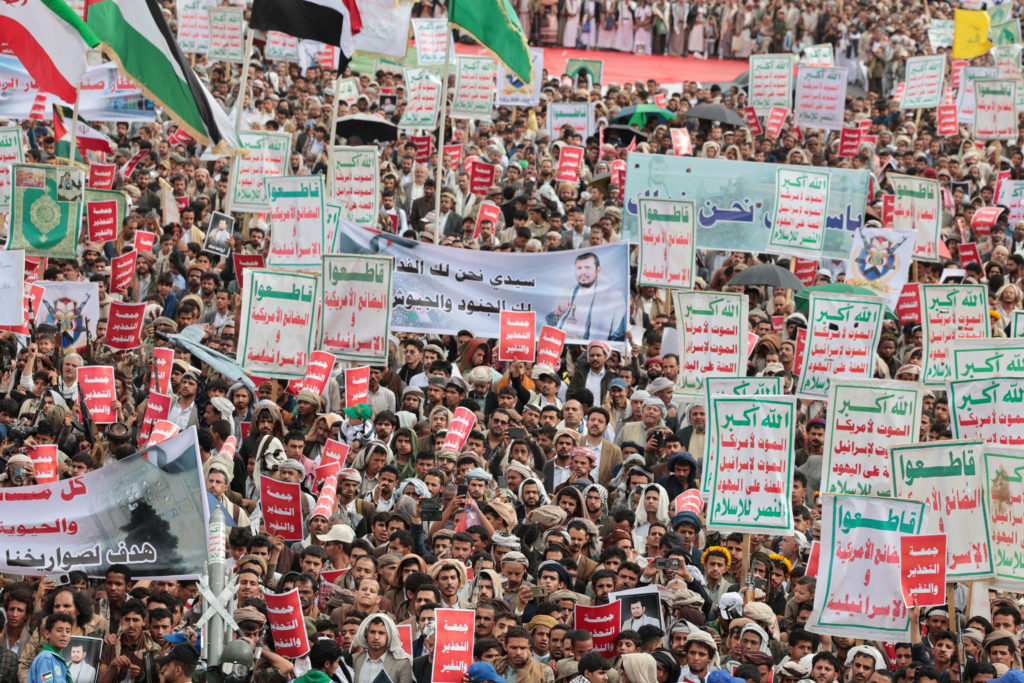
Reported fact: Yemen's Houthi rebels have declared a blockade of Saudi Arabia. Attributed claim: PBS reports this action 'has the potential' to widen the Iran-related regional war and to further disrupt global oil supplies and international trade, placing an additional maritime chokepoint at risk. Uncertainty: the article frames these outcomes as potential rather than certain and does not provide corroborating government statements, detailed incident reports, or independent verification of the blockade's current operational impact.
Source and Framing Analysis
The reporting emphasizes strategic and economic risk (oil, shipping chokepoints) rather than direct humanitarian details. That framing focuses reader attention on macro-level consequences and military escalation risks; it underplays immediate civilian impacts, humanitarian needs, and specific operational evidence such as incidents, timelines, or official responses. Because the package here contains a single news report, there is limited corroboration of the blockade's scope, intent, and immediate effects.
Biblical Reflection
The article highlights a real geopolitical flashpoint: non-state actors using maritime interdiction can escalate state-level conflict and create tangible economic harm for distant communities. Christians should weigh this reporting with sober realism: it names a danger without promising inevitability. The framing centers on strategic risk (oil, shipping, chokepoints) rather than human suffering, so readers should remember the human cost behind abstract talk of 'trade' and 'supplies' — civilians in Yemen, Saudi Arabia, and seafarers can be immediate victims.
Spiritually, the story invites careful discipleship in how we respond to fear and rumor. We should resist being swept into partisan certainty or triumphalism about how geopolitical contests 'deserve' to unfold; instead, pursue prayer for protection of innocents, truthful reporting, and diplomatic restraint. Practically, Christians called to public witness can advocate for humanitarian access, support organizations aiding civilians affected by conflict, and pray for wisdom among leaders who can de-escalate tensions.
Scripture in context
- 1Matthew 5:9 — Part of the Sermon on the Mount where Jesus calls his followers to live differently in the kingdom ethic, offering a pattern of behavior (peacemaking) rather than political ideology. — This passage urges Christians to pursue reconciliation and peacemaking in situations of conflict—prioritizing protection of the vulnerable and seeking paths to de-escalation rather than rejoicing in others' defeat.
Faithful Response
Pray regularly for civilians, seafarers, and negotiators affected by the blockade and regional tensions.
Support or volunteer with trusted humanitarian agencies providing relief to civilians in Yemen and neighboring countries.
Stay informed from multiple reputable sources before forming firm judgments and avoid amplifying unverified or alarmist claims.
Reflection and Discussion
- 1Are we prioritizing abstract strategic risks over the immediate suffering of people near the conflict, and how does Scripture reframe that priority?
- 2What assumptions about culpability, inevitability, or escalation does this report invite, and how should humility and mercy temper those assumptions?
- 3How might our prayers and civic actions reflect both concern for regional stability and tangible care for the vulnerable affected by trade and supply disruptions?
Sources
Reporting links are evidence inputs; Sanctuary News' biblical reflection is commentary.
This outlook currently relies on fewer than two linked sources. Broaden verification before teaching from it.
- 1.A new threat by Yemen's Houthis could widen the Iran war and put another trade chokepoint at riskprimary_reporting