News Summary
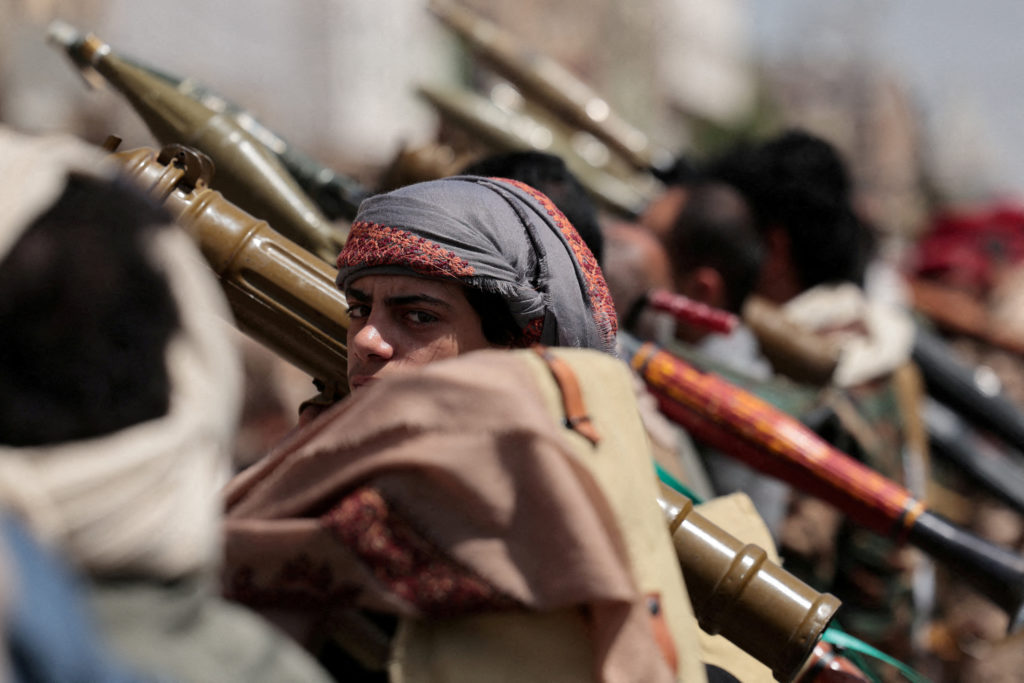
PBS reports that Yemen's Houthi movement attacked Saudi tankers in the Red Sea, actions the article says could broaden the Iran-related conflict. The piece states the U.S. carried out a 12th night of strikes across Iran and that U.S. President Donald Trump warned of "major military punishment" against the Houthis should attacks on ships continue. The report links Houthi maritime attacks to the larger pattern of hostilities in the region and frames them as increasing the danger of wider regional conflict.
Source and Framing Analysis
The supplied report is a single piece of mainstream reporting that combines factual claims (attacks, U.S. strikes, a presidential threat) with interpretive framing (that the attacks "threaten to widen" the Iran conflict). Material uncertainties that affect interpretation include independent verification of specific incidents (which vessels were hit, damage/casualties), who precisely carried out each attack, and the causal chain between Houthi actions and U.S. strikes. The headline frames the story as a widening war risk; readers should note the difference between reported events and analytical forecasting.
Biblical Reflection
This story raises familiar pastoral and moral questions: how should Christians respond when geopolitical violence threatens to widen? First, truth matters: we must hold to careful discernment, avoiding both alarmism and denial. The report conveys concrete actions — naval attacks, cross-border strikes, and public threats — all of which can produce real suffering for sailors, port workers, coastal communities, and civilians in affected countries. Christians should mourn that suffering and press for accurate information so responses can prioritize protection of people rather than vengeance.
Second, mercy and humility should shape our posture. Political rhetoric that speaks in totalizing threats may be intended as deterrence, but it also hardens enemies and reduces space for negotiation. The gospel calls us to be peacemakers who seek just protection for the vulnerable; that can mean advocating for diplomacy, supporting humanitarian corridors, and resisting narratives that devalue those on the other side. Finally, exercise courage in praying and acting for peace: encourage your community to support aid for those displaced or harmed, urge leaders to choose proportionality and verification before escalation, and cultivate prayerful attention to the complex realities that feed cycles of violence.
Scripture in context
- 1Matthew 5:9 — In the Sermon on the Mount, Jesus teaches about the character of those who belong to his kingdom, including attitudes toward enemies and society at large. — This text commends peacemaking as a central Christian identity marker; it reminds believers that pursuing peace is not passive but an active calling that seeks justice, protection for the vulnerable, and reconciliation even amid conflict.
- 2Romans 12:17-21 — Paul instructs the early Christian community on practical ethics for living among hostile societies, emphasizing non-retaliation and trust in God's justice while also calling for wise care of the common good. — These verses counsel Christians to avoid personal vengeance and to respond to evil with goodness; applied to public conflict, they encourage measures that protect innocent life while resisting the logic of escalating reprisal.
Faithful Response
Pray regularly for civilians, sailors, and first responders affected by the attacks and strikes.
Inform oneself from multiple reliable sources and avoid sharing unverified claims that can inflame tensions.
Support trusted humanitarian organizations providing relief in the Red Sea region and to displaced people from Yemen and Iran.
Contact elected leaders to urge restraint, verification before escalation, and prioritization of civilian protection and diplomatic solutions.
Reflection and Discussion
- 1How should Christians weigh state security concerns against the moral imperative to protect civilians and avoid escalation?
- 2In what ways does the language of military 'punishment' align or conflict with the Christian call to justice, mercy, and peacemaking?
- 3What steps can communities of faith take to reduce fear and promote constructive, humanitarian responses amid reports of war-risk escalation?
Sources
Reporting links are evidence inputs; Sanctuary News' biblical reflection is commentary.
This outlook currently relies on fewer than two linked sources. Broaden verification before teaching from it.
- 1.Yemen's Houthis attack Saudi tankers in the Red Sea, threatening to widen Iran warprimary_reporting