News Summary
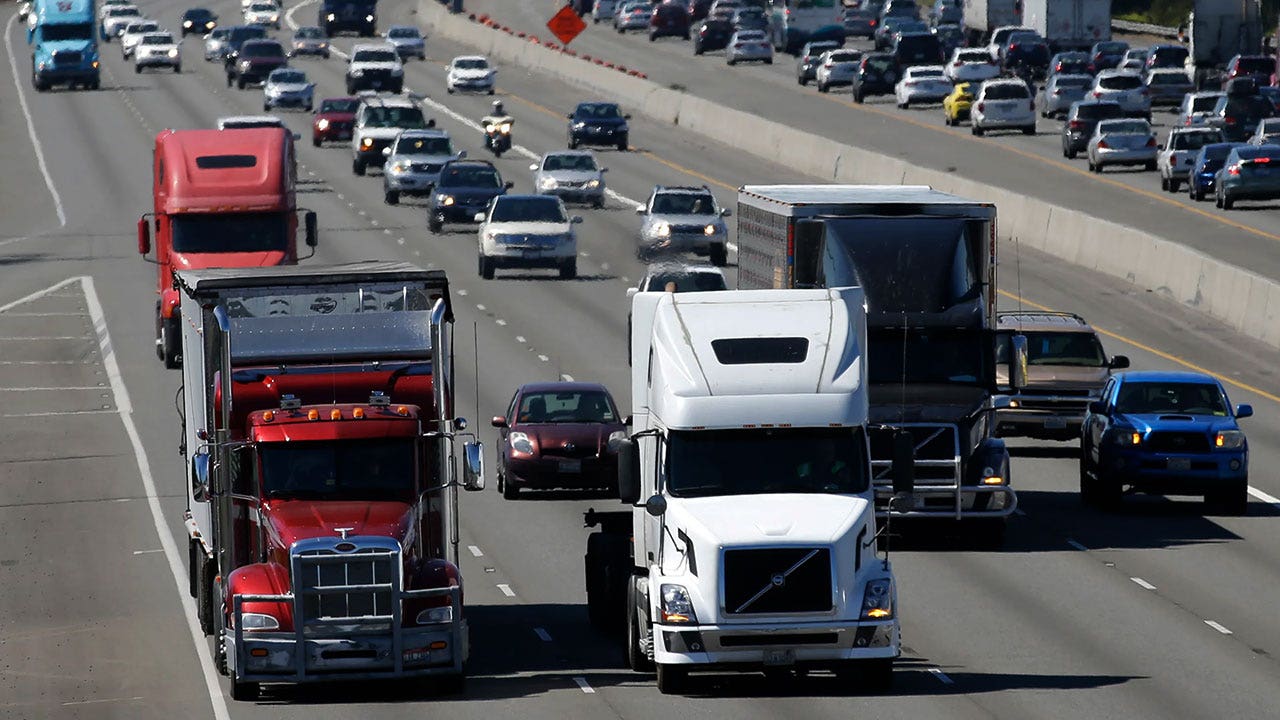
An opinion piece by Chris Spear (president and CEO of the American Trucking Associations) published by Fox News argues for passage of 'Dalilah's Law,' which the House Transportation and Infrastructure Committee approved and which is supported by President Donald Trump. The article states the bill would: strengthen enforcement of English-language proficiency requirements at roadside inspections; require drivers who cannot meet those standards to be placed out of service; modernize the driver record notification system so carriers are notified promptly if a CDL is revoked or suspended; and increase oversight of training providers. The piece frames the law as closing loopholes that allow unqualified or improperly licensed individuals to drive commercial trucks. It is named for Dalilah Coleman, described in the article as a five-year-old left with permanent disabilities after being struck by a commercial truck driven by an undocumented immigrant. The article is an advocacy/opinion column urging Congress to pass the legislation, and it highlights industry and government figures who support the bill.
Biblical Reflection
This article is an advocacy piece from a trade-industry leader arguing that regulatory and enforcement gaps endanger public safety and must be closed. Its central, objectively supportable claim—that stronger enforcement of licensing, training, and notification systems can reduce risk—is consistent with basic public-safety principles. At the same time, the piece interlaces safety concerns with immigration status of a driver; because it is opinion writing, it emphasizes particular causes and policy fixes and may understate or omit broader context (for example, labor shortages in trucking, state-by-state licensing variation, or data on how often immigration status versus training/oversight failures are the proximate cause of crashes). From a Christian perspective, two truths should be held together: (1) the protection of innocent life and prevention of harm is a moral obligation (law, oversight, and enforcement matter), and (2) policy and public language must not dehumanize vulnerable people or fuel scapegoating. The article rightly presses for accountability and better systems to keep roads safe; readers should also ask whether proposed solutions center on restoring safety and justice for victims while preserving humane treatment, due process, and opportunities for legitimate workers. Evaluate advocacy claims by seeking independent data on causes of crashes, the scope of enforcement gaps, and unintended consequences of new requirements—especially for people who may be seeking lawful employment or refuge. Pray for wisdom for lawmakers to design policies that protect the vulnerable, uphold justice, and show mercy.
Scripture in context
This outlook does not yet include contextual Scripture citations. Do not treat a general biblical theme as an exegetical conclusion.
Faithful Response
No prescribed response is offered. Consider the reflection prompts below in your own church context.
Reflection and Discussion
- 1Does the article separate evidence about driver qualification and enforcement failures from broader claims about immigration status, or does it conflate them in service of a particular policy aim?
- 2Which stakeholders or contextual factors are missing from this argument (e.g., data on crash causes, training capacity, state licensing practices, or workforce shortages), and how would those details affect your judgment of the proposed solution?
- 3Are the proposed measures framed primarily to protect life and restore justice, or primarily to assign blame—and how should a Christian weigh both justice and mercy when evaluating public policy advocacy?
Sources
Reporting links are evidence inputs; Sanctuary News' biblical reflection is commentary.
This outlook currently relies on fewer than two linked sources. Broaden verification before teaching from it.
- 1.Original reportprimary