News Summary
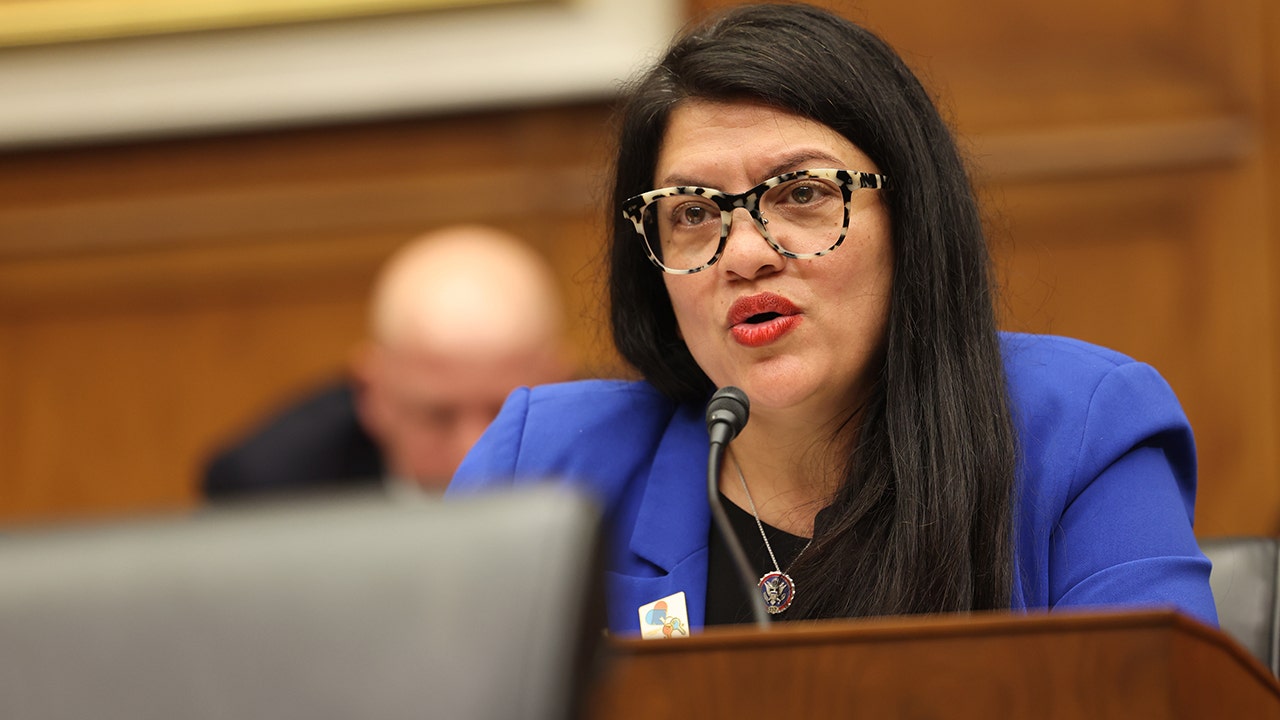
The U.S. House of Representatives voted 189-235 to reject a concurrent resolution introduced by Rep. Rashida Tlaib (D-Mich.) that would have barred U.S. forces from engaging in hostilities in Lebanon. The vote was bipartisan: nearly all House Republicans opposed the measure and 22 Democrats joined them. The resolution was symbolic (a concurrent resolution not sent to the president for veto) and Tlaib revised it to exempt protection of diplomatic personnel and cooperation with the Lebanese Armed Forces. Sponsors said the text aimed to limit executive war powers; opponents said the United States is not engaged in hostilities in Lebanon and criticized the resolution for not mentioning Hezbollah. Republican and Democratic members debated timing, the potential impact on training or assistance to Lebanese forces, and broader U.S. policy toward Israel, Lebanon, and the region. Prominent voices mentioned in floor debate included Reps. Thomas Massie, Brian Mast, Hakeem Jeffries, and Gregory Meeks.
Biblical Reflection
This story sits at the intersection of legitimate concerns about executive war powers and charged political narratives about the Israel–Lebanon conflict. Factually, the resolution was symbolic and the United States was not reported to be conducting hostile combat operations in Lebanon; the vote therefore functioned as a statement of congressional posture rather than an immediate military constraint. The article highlights political division: some lawmakers pressed for congressional oversight to prevent escalation, while others argued the measure was unnecessary or incomplete because it did not reference Hezbollah. Readers should note the framing choices that emphasize partisan conflict and individual identities (for example, identifying Tlaib as Palestinian American and a critic of Israel) — these details are relevant but can be used to polarize or to delegitimize dissenting viewpoints. From a Christian perspective, the situation calls for measured judgment: insistence on accountability and restraint in matters of war aligns with care for human life and the common good, while rhetoric that reduces opponents to villains or that exploits identity risks injustice and hardening of hearts. Christians should press for truthful reporting, careful distinction between symbolic and binding actions, and policies that prioritize protection of civilians and diplomacy over escalation.
Scripture in context
This outlook does not yet include contextual Scripture citations. Do not treat a general biblical theme as an exegetical conclusion.
Faithful Response
No prescribed response is offered. Consider the reflection prompts below in your own church context.
Reflection and Discussion
- 1Does the article clearly distinguish between symbolic congressional actions and binding legal changes, and why does that distinction matter for public understanding?
- 2How does emphasizing a lawmaker’s background or criticisms of an ally shape whether their policy concerns are heard as legitimate or dismissed as partisan?
- 3Are calls for limiting executive war powers presented as principled oversight or as political positioning — and how should Christians evaluate motives and consequences in such debates?
Sources
Reporting links are evidence inputs; Sanctuary News' biblical reflection is commentary.
This outlook currently relies on fewer than two linked sources. Broaden verification before teaching from it.
- 1.Original reportprimary