News Summary
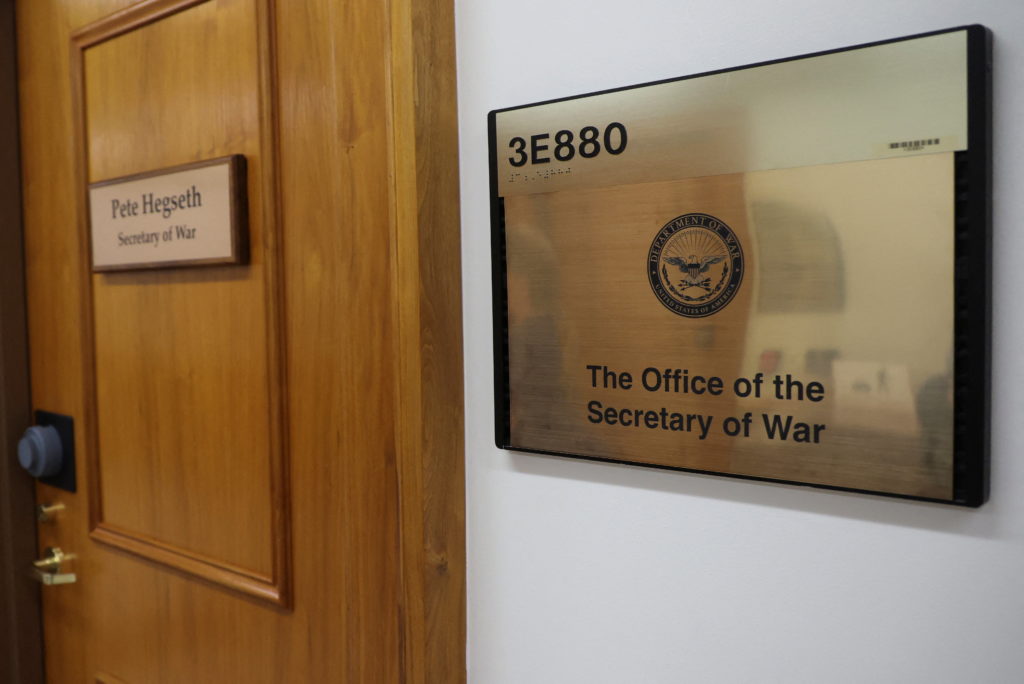
Reported facts: The PBS NewsHour article states that the U.S. House passed an annual defense policy bill that incorporates President Donald Trump's request for $1.15 trillion in national security spending and that the bill would designate the Department of Defense as the Department of War. Attributed claim: The spending figure is described as 'historic' in the article. Uncertainty: The article does not provide the House vote tally, the bill's specific text, whether the Senate has acted, or how the renaming would be implemented if enacted into law.
Source and Framing Analysis
The report is brief and factual but leaves key procedural and contextual details unstated: it does not cite the bill number, vote totals, legislative sponsors, Senate prospects, or the rationale offered by proponents or critics. The article attributes the $1.15 trillion figure to President Trump's request but does not show the detailed budget or how closely the bill matches the request. The absence of corroborating sources or legislative text means important practical consequences and timelines remain unclear.
Biblical Reflection
Christians are called to pursue truth, mercy, and justice in public life. A renaming from 'Defense' to 'War' is not only symbolic; names shape how societies understand authority and the moral purpose of institutions. The Christian tradition holds both a commitment to protecting the innocent and a high bar for the use of force. We should therefore examine whether this change reflects a prudent posture of deterrence and protection or whether it normalizes a posture of aggression.
Prudence requires careful attention to concrete effects: who benefits from expanded military spending, what civilian needs may be deprioritized, and what accountability mechanisms exist for use of force. Mercy calls the church to speak for those most harmed by war—civilians in conflict zones, veterans, and economically vulnerable Americans who may suffer from displaced public investment. Humility and truth demand that Christians avoid partisan tribalism and instead evaluate policy by its real-world consequences for human flourishing.
Finally, peacemaking remains central. Even as governments make hard decisions about security, the church's vocation is to witness to alternatives—restorative justice, diplomacy, and reconciliation—and to care for those wounded by conflict. Christians can engage constructively: ask for transparency about budget priorities, support policies that reduce harm, and pray for leaders and for peace.
Scripture in context
- 1Matthew 5:9 (Beatitudes) — In the Sermon on the Mount, Jesus pronounces blessings on characteristics of citizens of God's kingdom; 'peacemakers' are honored among those attitudes that reflect kingdom life amid injustice and conflict. — This passage reminds Christians that even when governments prepare for defense, the church's identity is shaped by peacemaking; believers should advocate for measures that pursue shalom, reconciliation, and the protection of the innocent.
- 2Romans 13:1-7 — Paul addresses the role of governing authorities in restraining evil and maintaining order, recognizing a limited, delegated use of force and the importance of justice under God. — This text supports the idea that civil authorities have legitimate responsibilities for public safety, but it also implies accountability under God and the need for those authorities to exercise power justly and for the common good.
Faithful Response
Pray for discernment for lawmakers, military leaders, and diplomats and for protection and care for those affected by conflict.
Seek factual information: read the bill text, follow vote records, and evaluate budget line items rather than relying on labels or slogans.
Speak and vote with prudence: prioritize policies that balance legitimate defense needs with investment in diplomacy, humanitarian aid, and the welfare of veterans and civilians.
Support ministries that serve war-affected civilians and veterans, showing mercy to those who suffer the consequences of armed conflict.
Reflection and Discussion
- 1Does the change in institutional language from 'Defense' to 'War' reflect a genuine policy shift, and how might that shift affect the poorest or most vulnerable at home and abroad?
- 2How do we, as Christians, weigh the biblical call to submit to governing authorities with the prophetic call to oppose unjust uses of power?
- 3What signs should we look for to determine whether increased defense spending is improving security or crowding out investments in peacebuilding, diplomacy, and human needs?
Sources
Reporting links are evidence inputs; Sanctuary News' biblical reflection is commentary.
This outlook currently relies on fewer than two linked sources. Broaden verification before teaching from it.
Download source notes