News Summary
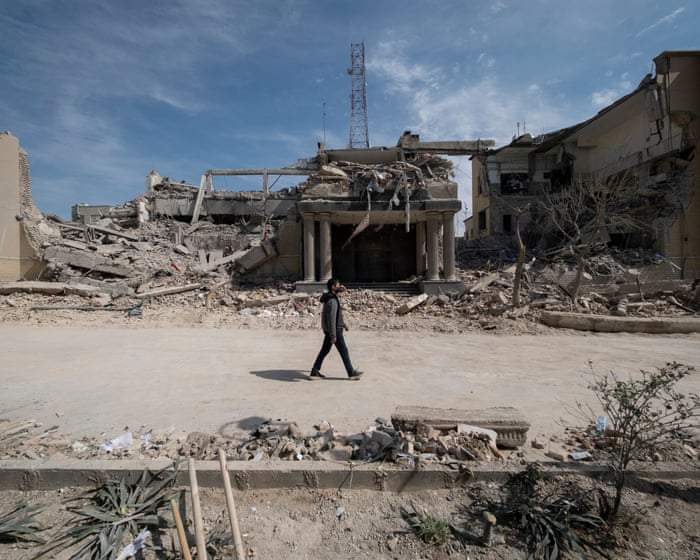
Reported facts: The US House passed the NDAA in a 216–212 vote; nearly all Democrats opposed the measure; the bill now goes to the Senate; the House-passed measure is described as a $1.15tn defense policy bill. Attributed claims in the article: the bill is a central plank of the president’s $1.5tn 2027 military spending plan, Democrats opposed it in part because of the war with Iran and proposed voting restrictions, and President Trump joined Israel in attacking Iran without congressional approval. Uncertainty: the article presents the claim about presidential participation in an attack on Iran as complicating passage but provides no independent corroboration within this single report; motives ascribed to Democrats are reported but not documented with direct statements in the supplied text.
Source and Framing Analysis
The Guardian piece frames the House vote alongside two politically charged items—domestic voting-restriction efforts and an alleged presidential decision to join Israel in attacking Iran—creating a narrative that ties domestic and foreign policy conflicts together. Material uncertainties: the article’s most consequential claim (that the president joined Israel in attacking Iran without congressional approval) is not corroborated by other sources in the supplied package, and the reported motivations of Democratic opposition are presented as contextual explanation rather than documented statements. Those elements materially affect how readers interpret the vote’s causes and consequences and deserve independent verification.
Biblical Reflection
Christians should weigh this news through commitments to truth, neighbor-love, and peacemaking. The NDAA shapes military policy and spending that affect service members, civilians in conflict zones, and national accountability; responsible public debate and oversight are biblical concerns because they protect the vulnerable and restrain injustice. At the same time, rhetoric that links domestic political fights over voting rules to foreign military action can conflate distinct issues; discernment is needed to separate verified fact from partisan interpretation.
If the article’s claim that the president joined allied military action without congressional approval is accurate, it raises serious questions about constitutional checks and the moral risks of unilateral use of force—questions Christians should address with measured urgency: seek verified facts, pray for restraint, advocate for legal and moral accountability, and care for civilians and service members harmed by escalation. Regardless of political alignment, the Christian obligation is clear: prioritize truth-seeking, pursue peace where possible, defend the rights of neighbors, and treat leaders with humility while holding them accountable.
Finally, Christians must remember that national security policy has human consequences. Advocacy and prayer should center on de-escalation, protection of civilians, and compassionate care for those affected by conflict—responding not from partisan fury but from a posture shaped by justice, mercy, and humility.
Scripture in context
- 1Matthew 5:9 — In the Sermon on the Mount, Jesus calls his followers to be peacemakers in a teaching that situates peacemaking within the ethics of the kingdom—promising blessing for those who pursue reconciliation. — This passage highlights a Christian priority to seek peaceful resolutions and to pray for leaders who pursue de-escalation rather than celebration of conflict.
- 2Romans 13:1–7 — Paul addresses Christian conduct toward governing authorities, urging respect for lawful governance while recognizing that authorities are entrusted with the common good and accountability. — This text cautions Christians to seek lawful oversight and accountability for leaders; when questions arise about the use of force or bypassing legislative checks, Christians should pursue truthful inquiry and just processes.
Faithful Response
Pray for clarity, restraint, and protection for civilians and service members affected by any military action.
Seek verified information from multiple, reliable sources before forming firm judgments about claims of unauthorized military action.
Contact elected representatives to ask for transparency, legal justification, and congressional oversight regarding military engagements and defense spending.
Support ministries and charities that assist veterans, displaced civilians, and refugees affected by conflict.
Reflection and Discussion
- 1Do I distinguish clearly between verified facts and partisan interpretation when I read reports about war and defense policy?
- 2How does my church's posture reflect a commitment to both just accountability and active peacemaking in the face of potential military escalation?
- 3What responsibilities do Christians have to protect civilians and support oversight of military action in a democratic society?
Sources
Reporting links are evidence inputs; Sanctuary News' biblical reflection is commentary.
This outlook currently relies on fewer than two linked sources. Broaden verification before teaching from it.
- 1.US House passes $1.15tn defense policy bill in near party-line voteprimary_reporting