News Summary
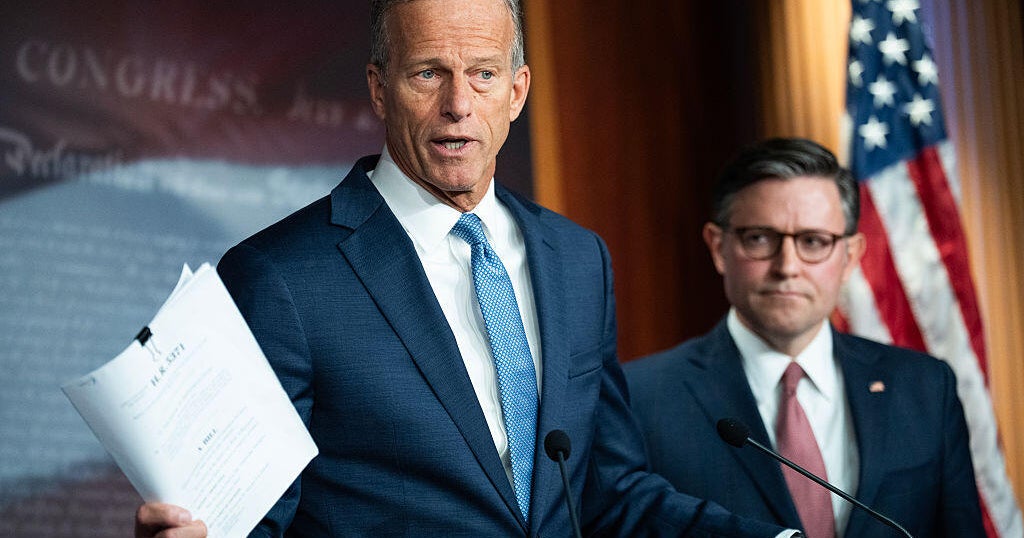
Reported facts: Congress faces a fall deadline to fund the federal government and a shutdown is possible if no agreement is reached. Attributed claim/frame: the article reports that lawmakers 'seem eager' to avoid another costly impasse ahead of the midterm elections, implying political incentives are driving urgency. Uncertainties: the piece does not specify the legislative proposals, the differing paths taken by House and Senate, exact timelines, or which programs are at risk.
Source and Framing Analysis
The article is brief and framed around the upcoming midterm elections, which highlights political incentives rather than policy specifics. That framing matters because it emphasizes motive (electoral pressure) over material details (which funding measures are proposed, how long funding would last, or vote counts), leaving readers without the information needed to evaluate the actual risks to programs or people.
Biblical Reflection
This news highlights the ordinary but consequential work of governing: making timely decisions about public finances that affect neighbors who rely on federal services. Christians should recognize that how leaders handle funding and deadlines is not merely political theatre but a moral matter because budget choices and shutdowns have real effects on vulnerable people. The article's framing — emphasizing desire to avoid a shutdown because of upcoming elections — points to political incentives; discernment requires asking whether the priorities are service, stewardship, or electoral advantage.
From a pastoral perspective, the situation calls for prayerful engagement and humble critique. Scripture affirms respect for governing authorities and commands care for the poor and vulnerable; so the faithful response is twofold: hold leaders accountable for the common good, and prepare to serve neighbors who may be harmed if funding lapses. Avoid treating this as simply partisan fodder; instead, let Christian virtues — truth, mercy, humility, and a preference for the vulnerable — shape how we evaluate proposals and rhetoric.
Scripture in context
- 1Romans 13:1-7 — Paul instructs early Christians to submit to governing authorities because they are instituted for maintaining order and justice in society, while acknowledging those authorities derive their role from God. — This passage grounds a Christian ethic that expects civil governments to serve the common good; when budgeting decisions risk harming the vulnerable, Christians may lawfully call rulers to faithful stewardship rather than reflexively rejecting authority.
- 2Isaiah 1:17 — A prophetic call for the people of Israel to learn to do right, seek justice, defend the oppressed, and care for the vulnerable as an expression of covenant faithfulness. — Budget and policy choices should be measured against whether they protect and provide for the afflicted—Christians should judge fiscal politics by their effects on justice and neighbor-love.
- 3Philippians 2:3-4 — Paul urges humility and putting the interests of others ahead of self-promotion, modeled supremely in Christ's self-giving. — Political actors and observers alike are called to humility and to prioritize others' needs over partisan advantage—especially when funding decisions have real human costs.
Faithful Response
Pray for wisdom for lawmakers and calm for the public rather than partisan outrage.
Contact elected representatives to ask how their proposals protect vulnerable populations rather than only expressing partisan preference.
Support local safety nets (food banks, shelters, social services) that will bear burdens if federal funding is disrupted.
Stay informed about specific funding measures and their impacts instead of relying on headline summaries.
Reflection and Discussion
- 1How does the timing and tone of political negotiations reveal whether leaders prioritize public service or electoral advantage?
- 2Which communities would be most harmed by a government funding lapse, and how should that shape our judgment of legislative choices?
- 3In what concrete ways can Christians hold elected officials accountable while practicing humility and seeking the common good?
Sources
Reporting links are evidence inputs; Sanctuary News' biblical reflection is commentary.
This outlook currently relies on fewer than two linked sources. Broaden verification before teaching from it.
- 1.House and Senate take different paths to avoid shutdown before midtermsprimary_reporting