News Summary
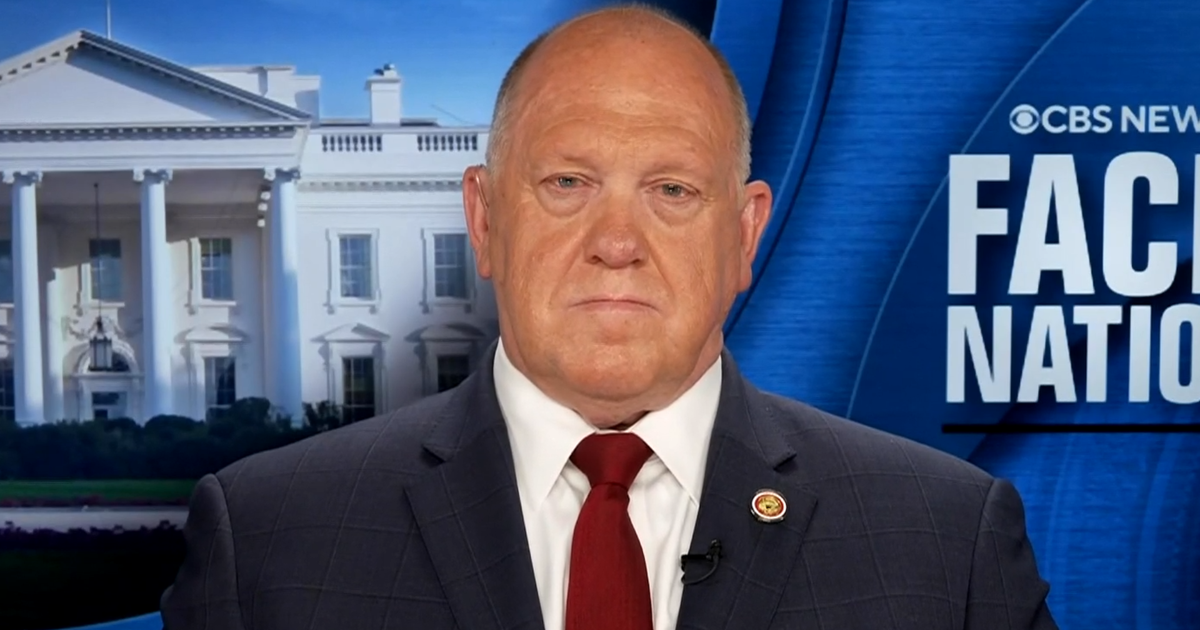
Facts: CBS reports two fatal ICE shootings in July 2026 — July 7 in Houston (Mexican national) and days later in Biddeford, Maine (Colombian man); officers involved were not wearing body cameras. DHS announced that each ICE arrest team will now have at least one officer equipped with a camera and had previously deployed cameras to more than half of ICE field offices with remaining offices to receive them within 60 days. Funding developments noted include $20 million approved in April for body cameras and a later roughly $70 billion package in June. Homan said body cameras let the public see what officers see and claimed political delay slowed full deployment. Attributions and disputed claims: Homan’s claim that Democratic members of Congress caused the delay is presented as his attribution. Uncertainties: investigative details, whether officers activated lights or sirens in specific stops, the status of camera deployment at particular offices, and outcomes of active investigations remain unresolved.
Source and Framing Analysis
Source role: Single-item reporting from CBS News that combines on-camera remarks by Tom Homan with background on DHS actions and budget developments. Missing voices: the families of the deceased, statements from the specific ICE officers involved, local law enforcement in Houston and Biddeford, civil-rights or immigrant-rights organizations, independent oversight bodies, and the full DHS investigative findings are not present. Incentives and framing: the piece centers quoted remarks by a White House official who has institutional and political interests in defending ICE practices and arguing for rapid policy rollout; his blame of political opponents is a partisan framing that should be separated from verifiable operational facts. What requires independent verification: the completeness of DHS’s camera deployment claims, exact timeline and amounts of funding allocation and spending, whether body cameras were available to the officers involved, and operational details of the stops (lights/sirens, identification), and the facts that will emerge from official investigations.
Biblical Reflection
From a Christian perspective, the article raises two core moral commitments: the pursuit of truth and the protection of the vulnerable. Body cameras are presented as a practical tool to increase transparency and public trust by producing clearer evidence of what occurred. At the same time, the reporting and quoted statements carry political claims and finger-pointing (for example, Homan’s attribution of delays to Democratic lawmakers) that should be evaluated separately from the factual questions about camera deployment and the shootings themselves. Christians should press for objective truth — thorough, independent investigations and public accountability — while also avoiding partisan reflexes that make policy or victims into political props. The deaths reported demand compassion for the bereaved and sober attention to whether enforcement practices protect public safety and human dignity. A faithful response honors legitimate needs for officer safety and lawful enforcement while insisting on transparency, accountability, and pastoral care for affected immigrant communities.
Scripture in context
- 1Proverbs 31:8-9 — Wisdom literature advising leaders and the community to speak up for those who cannot speak, defend the rights of the poor and needy, and act justly toward the vulnerable; addressed to readers learning practical righteousness in community life. — These verses call Christians and civic leaders to ensure the voiceless are heard — which supports demands for transparency and fair process in cases where state power results in death, especially for marginalized immigrants who may lack representation.
Faithful Response
Pray for victims’ families, for investigators to find the truth, and for the protection and moral formation of officers and community members.
Nonpartisan advocacy for transparent, independent investigation and implementation of proven measures (like camera policies) that protect both civilians and officers.
Support local organizations that provide legal aid, pastoral care, or practical assistance to affected immigrant families.
Resist quick political verdicts; encourage congregants to evaluate claims, ask for evidence, and promote justice grounded in facts rather than partisan talking points.
Reflection and Discussion
- 1Which voices are absent from this report, and how would their inclusion change your assessment of the incident?
- 2When an official links operational delays to political opponents, what evidence would you seek to separate partisan claim from verifiable fact?
- 3How might demands for transparency (like body cameras) advance both truth and reconciliation in communities affected by enforcement actions?
Sources
Reporting links are evidence inputs; Sanctuary News' biblical reflection is commentary.
This outlook currently relies on fewer than two linked sources. Broaden verification before teaching from it.
- 1.Homan says "I think body cameras are the way to go" after ICE shootingsprimary_reporting