News Summary
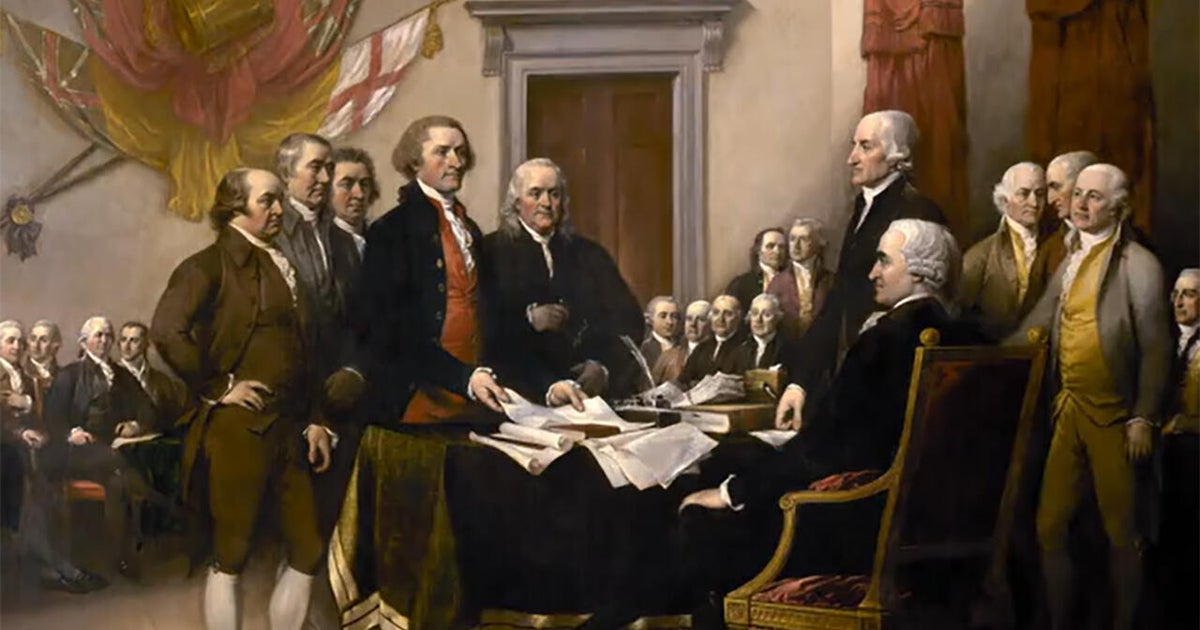
Presidential historian Doug Brinkley, writing for CBS News around the 250th anniversary of the Declaration of Independence, argues that Americans have weathered deeper divisions in the past and therefore should allow themselves hope for national unity. He recounts that the decision for independence in 1776 emerged amid military danger and public division, and notes that the freedoms won then were long withheld from women, Black people, and Native Americans. Brinkley references internal crises that tested the nation—most notably the Civil War and the civil rights struggles—and urges Americans to practice tolerance, compromise, and perseverance to mend national divisions. The piece also mentions CBS’s planned July 4 primetime special and is framed as a hopeful reflection rather than a policy proposal.
Biblical Reflection
Brinkley’s piece aims to comfort and inspire civic hope by situating present polarization within a longer historical pattern of severe trials and eventual survival. From a Christian perspective, the article does important truth-telling about past injustices—slavery, exclusion of women, and dispossession of Native peoples—which aligns with the biblical call to confess and remember wrongs rather than whitewash them. The call to hope and to virtues like perseverance and humility is morally resonant, but Christians should guard against a unity that prioritizes civility over justice. True reconciliation requires both mercy and truth: repentance for historic and ongoing harms, structural attention to oppressed neighbors, and courageous truth-telling alongside efforts to heal. The article’s tone is patriotic and consoling; it risks understating ongoing systems of injustice if readers take “we survived worse” as license to avoid real accountability. Overall, it nudges readers toward a healthy, hopeful patriotism if that hope is rooted in repentance, love for neighbor, and a pursuit of the common good rather than nostalgia or simple consensus.
Scripture in context
This outlook does not yet include contextual Scripture citations. Do not treat a general biblical theme as an exegetical conclusion.
Faithful Response
No prescribed response is offered. Consider the reflection prompts below in your own church context.
Reflection and Discussion
- 1Do we seek unity for its own sake, or do we insist on justice and truth as the foundation for lasting unity?
- 2How does acknowledging historical sins change the way Christians should participate in public life and civic renewal?
- 3When leaders call for tolerance and compromise, who benefits most from a quick return to civility, and who might remain unheard?
Sources
Reporting links are evidence inputs; Sanctuary News' biblical reflection is commentary.
This outlook currently relies on fewer than two linked sources. Broaden verification before teaching from it.
- 1.Original reportprimary