News Summary
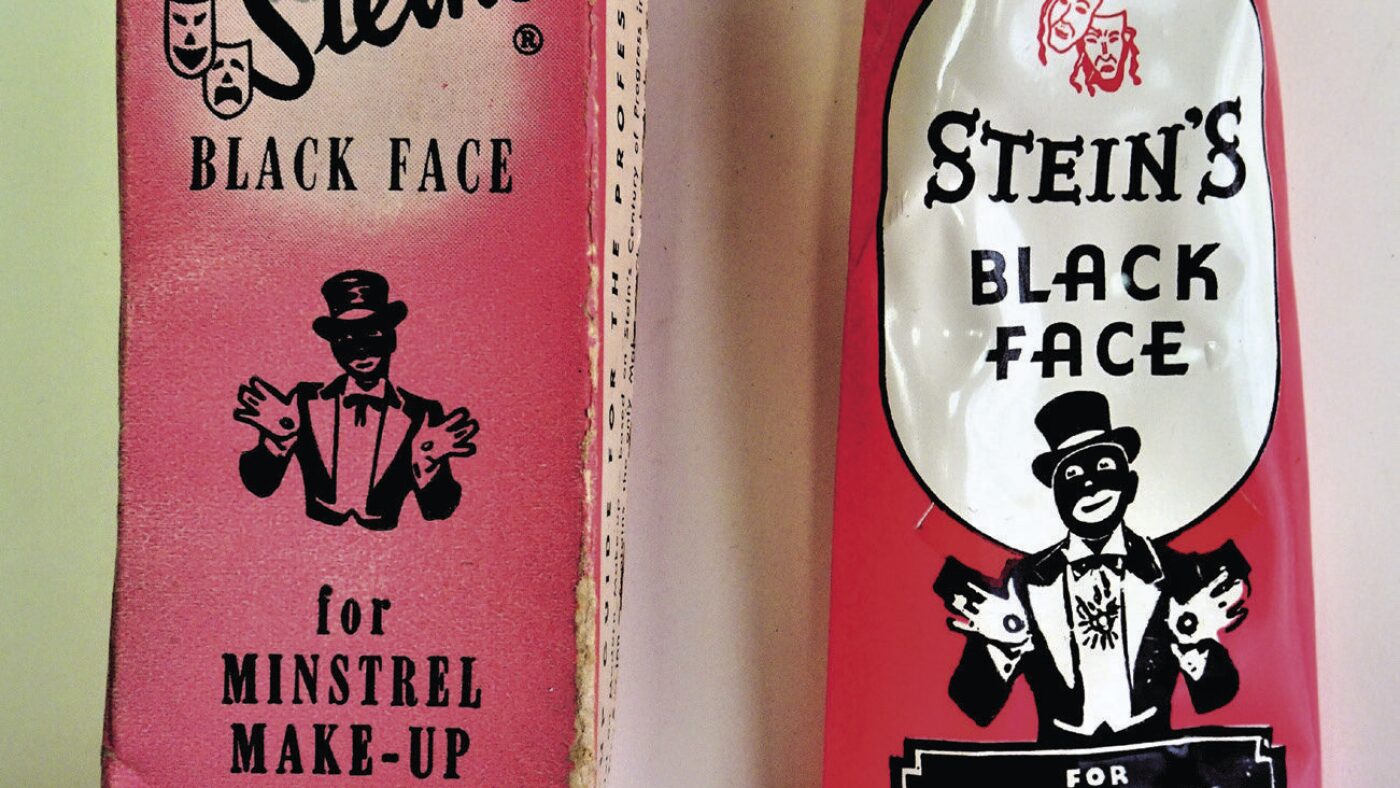
Historian Rhae Lynn Barnes, in research that informed her book Darkology: Blackface and the American Way of Entertainment, uncovered extensive primary-source evidence showing how blackface and minstrel performance were widespread in American culture from the 19th century well into the 20th century. Barnes describes how minstrel shows originated as overtly racist popular entertainment that produced step-by-step guides enabling amateur performances by fraternal groups, schools, PTAs, police and fire associations, soldiers, and others. Commercial theatrical makeup companies sold removable blackface products in many shades, replacing burnt cork and shoe polish. Barnes documents governmental promotion of minstrelsy—citing the Works Progress Administration’s recommended plays and President Franklin D. Roosevelt’s personal involvement—and traces how familiar songs and slogans from minstrel traditions shaped pro-slavery romanticism and later political dog whistles. She credits sustained activism, particularly by Black and white mothers and civil-rights era activists, with helping to remove blackface from school curricula by the 1970s. Barnes argues historians must preserve and make accessible the full, uncomfortable history so Americans can understand how long and how deeply these racist entertainments shaped cultural ideas.
Biblical Reflection
Viewed through Scripture, this story reveals a long pattern of dehumanization and false narratives that contradict the biblical truth of human dignity. Blackface and minstrel performance are not merely offensive entertainment but instruments that normalized racist ideology, misrepresented the realities of slavery, and helped sustain social structures that oppressed Black people. The article also exposes institutional complicity—commercial, civic, and governmental—in propagating harmful myths. Biblically, truth-telling, repentance, and justice are required responses: Christians are called to name sin (including cultural and institutional sins), to defend the image-bearerhood of every person (Imago Dei), and to work toward restoration. That does not mean sanitizing history or ignoring progress; it means refusing to whitewash the past and committing to honest education, communal lament, repentance, and material steps that repair harm. Practically, the church should listen to those harmed, teach candid history, oppose narratives that justify oppression, and model reconciliation and justice in both word and deed.
Scripture in context
This outlook does not yet include contextual Scripture citations. Do not treat a general biblical theme as an exegetical conclusion.
Faithful Response
No prescribed response is offered. Consider the reflection prompts below in your own church context.
Reflection and Discussion
- 1Where in my own life or community have I accepted stories that diminish the dignity of others, and how can I pursue truth and repentance?
- 2How can I and my church teach and remember difficult aspects of American history in ways that promote justice, healing, and the dignity of all people?
- 3What concrete steps can I take to support those who still suffer from the legacy of racial stereotyping and institutional racism?
Sources
Reporting links are evidence inputs; Sanctuary News' biblical reflection is commentary.
This outlook currently relies on fewer than two linked sources. Broaden verification before teaching from it.
- 1.Original reportprimary