News Summary
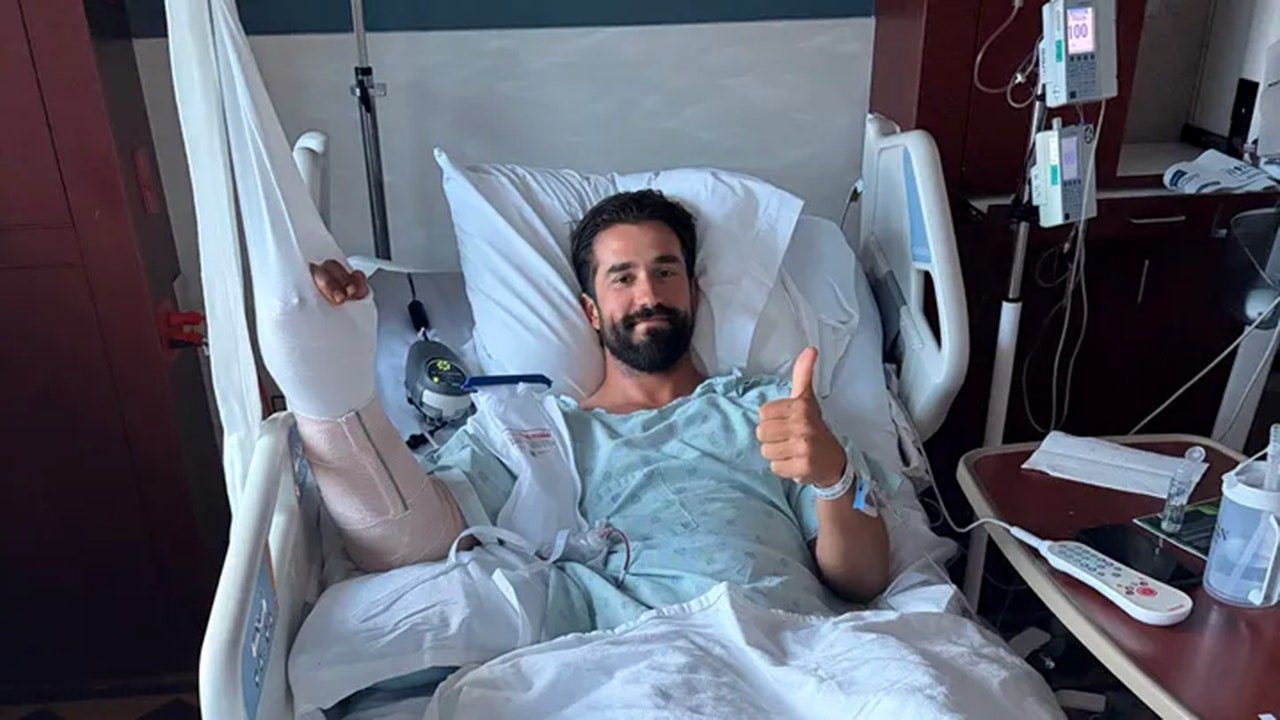
On May 28, a hiker identified as Daniel Crago was attacked by a grizzly bear on the Grinnell Glacier Trail in Glacier National Park. Crago said he encountered a smaller bear and then noticed a larger grizzly about 15 feet away; he believes the bear was startled when it saw him. The bear bit his arm and dragged him roughly 20–30 feet before leaving. Nearby hikers assisted: a pediatric emergency physician stabilized his arm and controlled bleeding, another hiker made noise to discourage bears from returning, and a visitor used a satellite device to contact emergency responders. Crago was airlifted by helicopter to a hospital and has undergone three surgeries so far, with at least one more expected; he faces significant medical bills and a fundraiser was created to help cover costs. The fundraiser states any surplus will be donated to the U.S. National Park Service. The article notes Glacier National Park’s approximate bear population (about 300 grizzlies and 600 black bears).
Biblical Reflection
This report highlights both human vulnerability and neighborly compassion. Objectively, the account is a straightforward incident report but relies in part on the hiker’s own statements and a fundraising page; key contextual details (park advisories, whether bear-avoidance practices were in place, or whether the bear was habituated to humans) are not presented. Christians can see truth in recognizing our limited control over creation and the real physical dangers that exist in the wild, while also valuing the immediate, selfless aid others provided — a practical expression of neighbor-love. The article's framing leans toward dramatic incident reporting without examining systemic safety measures or preventative lessons; a faithful response balances grief for what happened with stewardship of creation, prudent risk-taking, and generous care for the injured. We should resist turning the animal into a villain or romanticizing danger, and instead press for careful reporting, honest assessment of responsibility, and concrete support for those harmed.
Scripture in context
This outlook does not yet include contextual Scripture citations. Do not treat a general biblical theme as an exegetical conclusion.
Faithful Response
No prescribed response is offered. Consider the reflection prompts below in your own church context.
Reflection and Discussion
- 1What details are missing here that would help us understand responsibility and prevention (park warnings, behavior around wildlife, bear management policies)?
- 2How does the community response — strangers giving urgent medical aid and coordinating evacuation — reflect practical neighbor-love in a crisis?
- 3Does the article prioritize dramatic description over measures that could reduce future harm, and how should Christians weigh sympathy with calls for better safety and stewardship?
Sources
Reporting links are evidence inputs; Sanctuary News' biblical reflection is commentary.
This outlook currently relies on fewer than two linked sources. Broaden verification before teaching from it.
- 1.Original reportprimary