News Summary
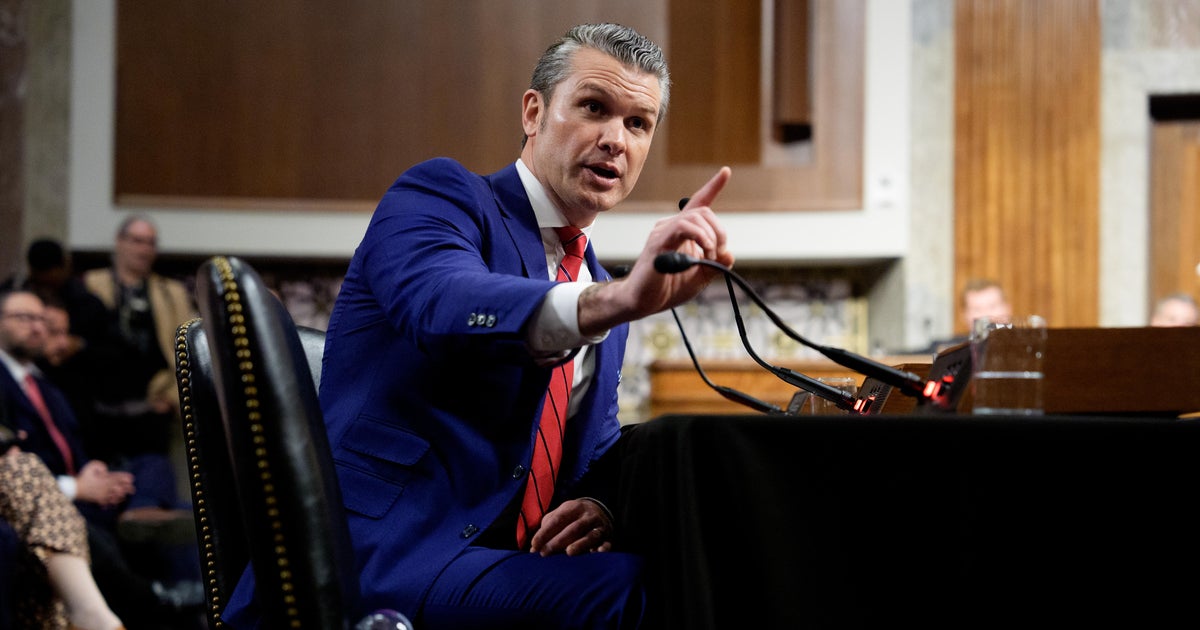
Defense Secretary Pete Hegseth announced that the Pentagon will cancel all Department of War attendance at graduate programs at several elite universities—including Harvard, Princeton, Columbia, MIT, Brown, and Yale—starting in the 2026-2027 academic year. Hegseth described these universities as 'woke breeding grounds of toxic indoctrination,' arguing that their programs undermine the values military officers are sworn to uphold. This move follows the Pentagon's earlier decision to end military training programs at Harvard in the wake of ongoing tensions between the Trump administration and the Ivy League institution. Hegseth criticized these universities for promoting ideology over intellectual rigor and for fostering anti-American sentiment. He also announced a comprehensive review of the nation's war colleges to ensure they focus solely on developing effective military leaders.
Biblical Reflection
This article touches on themes of leadership, discernment, and the stewardship of influence—areas Scripture frequently addresses. The decision to withdraw military personnel from elite universities due to perceived ideological bias raises questions about truth, justice, and the pursuit of wisdom. Scripture encourages believers to seek wisdom and understanding (Proverbs 4:7) and to be wary of teachings that lead away from what is good, true, and honorable (Philippians 4:8). However, the Bible also warns against responding to perceived ideological threats with fear, division, or animosity. Christians are called to be 'in the world but not of the world' (John 17:14-18), engaging with culture thoughtfully rather than withdrawing in fear. While it is important to guard against teachings contrary to biblical values, Christians are also called to be peacemakers and to seek the good of all (Romans 12:18). The rhetoric of 'war' against opposing ideologies can foster a spirit of enmity, which is contrary to the gospel call to love one's neighbor and pursue reconciliation. Ultimately, this story challenges believers to consider how to uphold truth and virtue in a divided culture—without succumbing to the same divisiveness they may wish to critique.
Scripture in context
This outlook does not yet include contextual Scripture citations. Do not treat a general biblical theme as an exegetical conclusion.
Faithful Response
No prescribed response is offered. Consider the reflection prompts below in your own church context.
Reflection and Discussion
- 1How can Christians discern truth and wisdom in environments that may oppose their values?
- 2In what ways can believers engage with those who hold different beliefs without fostering division or animosity?
- 3What does it look like to pursue excellence, integrity, and peace in institutions or cultures in conflict?
Sources
Reporting links are evidence inputs; Sanctuary News' biblical reflection is commentary.
This outlook currently relies on fewer than two linked sources. Broaden verification before teaching from it.
- 1.Original reportprimary