News Summary
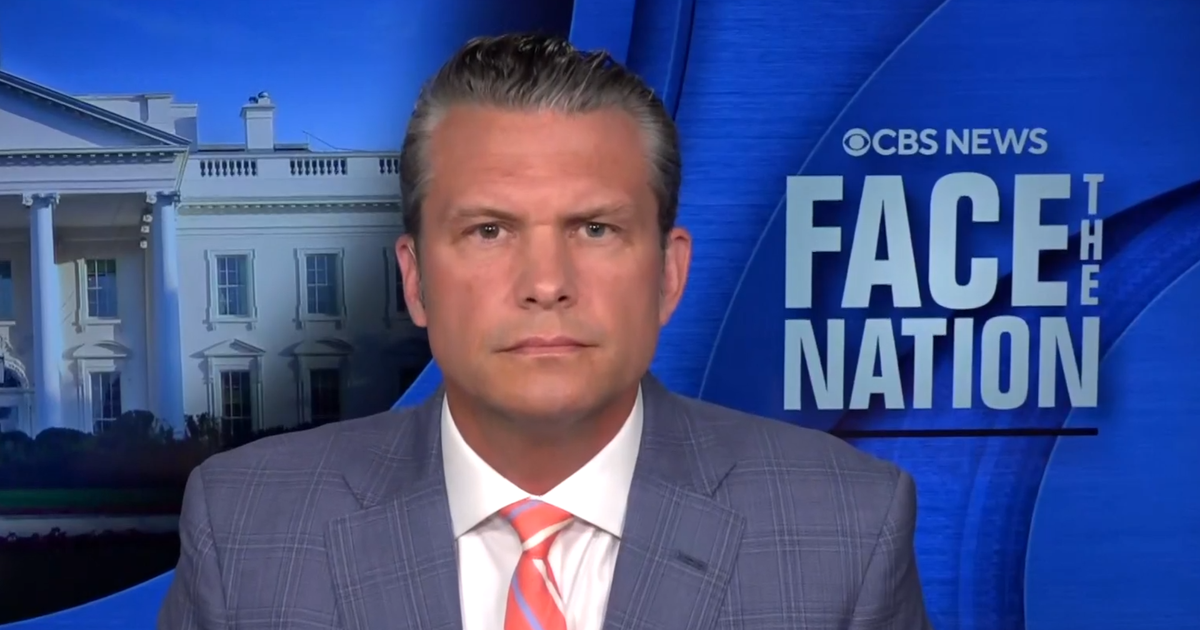
Defense Secretary Pete Hegseth told CBS's Face the Nation that reports of a U.S. munitions stockpile crisis are "manufactured" and that U.S. stockpiles are strong and strengthening. Earlier, during an April 30 Senate Armed Services Committee hearing, Hegseth had testified that replenishing some munitions could take "months and years," saying production speed varies by weapon system and noting new plants were being built. The Defense Department has not publicly disclosed total munitions used in the war with Iran. Lockheed Martin has said it would take three to four years to raise Patriot missile production from about 650 per year to 2,000 per year. Regional Gulf officials told CBS in March that some Arab states are running low on interceptors; Joint Chiefs Chairman Dan Caine said precision munitions were sufficient for current tasks. Senator Mark Kelly, citing the April testimony, said the United States does have a munitions issue and warned that large-scale strikes consume large quantities of weapons, requiring careful posture going forward.
Biblical Reflection
From a Christian perspective, this article highlights tensions between public reassurance, political framing, and the sober realities of national defense. Hegseth's recent denial contrasts with his earlier testimony that replenishment timelines could be long; the Department of Defense's refusal to disclose usage figures makes independent verification difficult. The piece reflects a worldview that prioritizes projecting strength and accelerating production while managing public perception — understandable in a security context but vulnerable to spin and partisanship. Christians should value truth-telling, transparency, and prudent stewardship of national resources. At the same time, the realities of prolonged conflict underline the moral seriousness of warfare: lives, regional stability, and international relationships are at stake. The proper Christian response balances support for legitimate defense and care for neighbors with insistence on honesty from leaders, responsible use of resources, and sustained pursuit of peace.
Scripture in context
This outlook does not yet include contextual Scripture citations. Do not treat a general biblical theme as an exegetical conclusion.
Faithful Response
No prescribed response is offered. Consider the reflection prompts below in your own church context.
Reflection and Discussion
- 1What incentives might cause leaders to downplay limits in military readiness, and how should that affect our trust in public statements?
- 2Where can independent data or third-party assessments be sought to verify claims about stockpiles and production capacity?
- 3How does the tension between projecting strength and admitting limits influence our priorities for stewardship, diplomacy, and care for those affected by war?
Sources
Reporting links are evidence inputs; Sanctuary News' biblical reflection is commentary.
This outlook currently relies on fewer than two linked sources. Broaden verification before teaching from it.
- 1.Original reportprimary